

An Emotion Wrapped in Sweetness
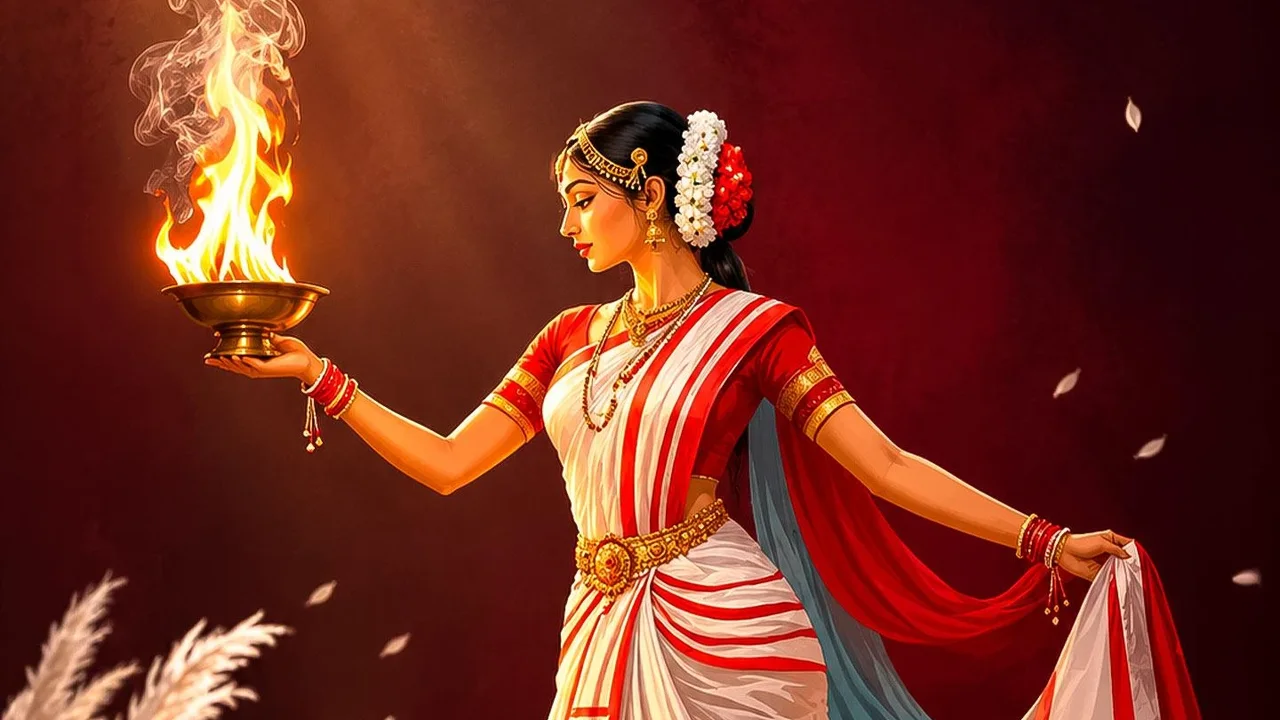
For Bengalis, Durga Puja is not just a festival; it's an emotion, a homecoming. And at the heart of this celebration lies food, especially sweets. 'Mishti' is more than a dessert; it's a language of love, a token of celebration, and an integral part of rituals.
From being offered to the goddess as 'bhog' to the celebratory 'mishti mukh' (sweetening the mouth) during Bijoya Dashami visits, sweets are woven into the very fabric of the festival. This deep-rooted cultural significance means that for many, the taste of Puja is the taste of the sweets they grew up with. It's a flavour profile steeped in nostalgia, connecting generations through shared culinary memories.
The Enduring Reign of the Classics
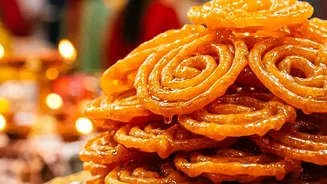
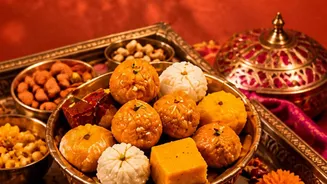
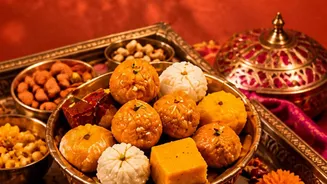
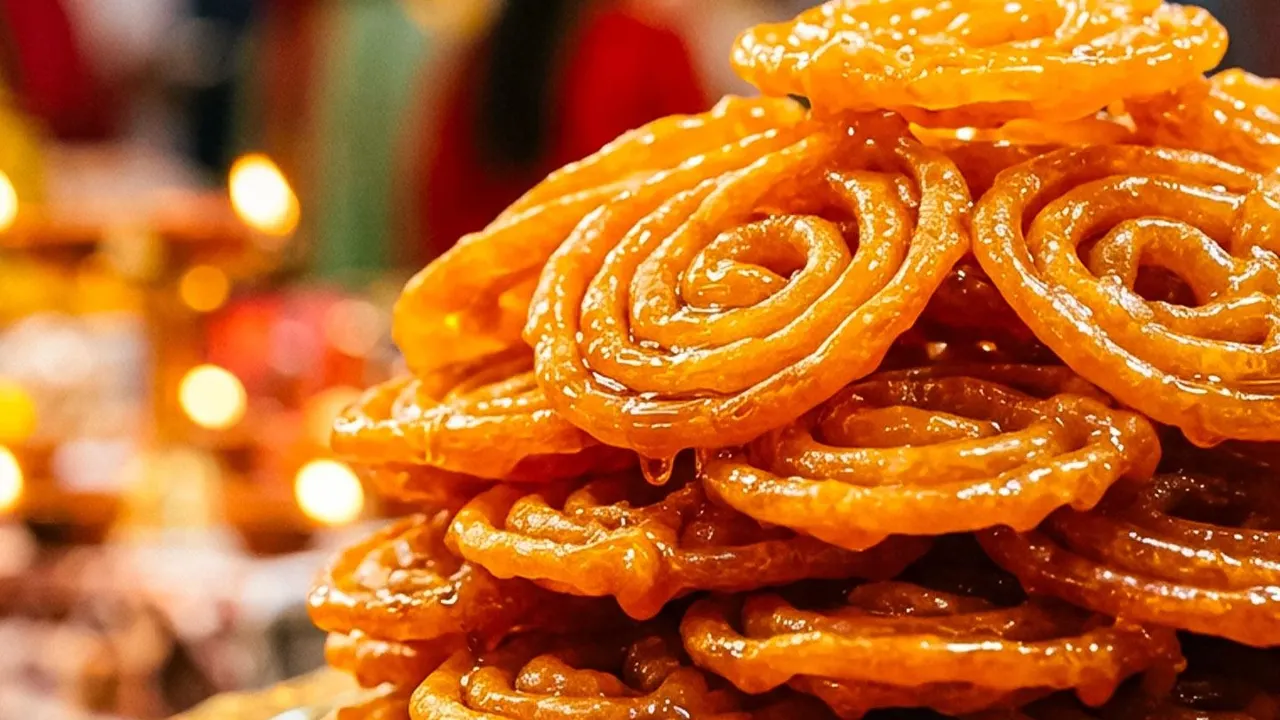
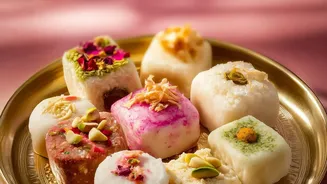
Walk into any sweet shop in Kolkata during Puja, and while you might see a few experimental flavours, the counters will be dominated by the classics. There’s the iconic Rosogolla, soft Sandesh in its many forms, the creamy Mishti Doi served in earthen pots, and the syrupy Pantua or Chomchom. These aren't just popular; they are mandatory. Their recipes, perfected over decades, if not centuries, are considered pure and ideal for offerings to the deity. Many sweet makers attest that during the five days of Puja, the demand for these heritage sweets skyrockets, leaving little room for fleeting trends. The classic recipes are a safe bet, a guaranteed crowd-pleaser for both devotion and indulgence.
A Matter of Ritual and Purity
The preference for classics is also tied to religious and ritualistic purity. Sweets offered as 'prasad' must adhere to tradition. Iconic shops, especially those catering to old aristocratic families ('Bonedi Baris'), maintain strict kitchen rules to ensure their sweets are fit for the gods. This involves using specific ingredients and avoiding others, a practice that naturally favours time-tested recipes. Simple, pure sweets like Narkel Naru (coconut laddoos) and Chaal er Payesh (rice kheer), often made at home, also hold a special place, symbolizing prosperity and devotion. The focus is on authenticity and adherence to customs passed down through generations, making traditional sweets non-negotiable.
The Business of Tradition
From a commercial perspective, prioritizing classic recipes during Durga Puja is a sound business strategy. The festival period is a time of brisk business for sweet shops, and meeting the massive demand requires efficiency. Producing vast quantities of well-known, beloved sweets is more manageable than diverting resources to niche, innovative items that may not sell as quickly. Customers, both local and those visiting, arrive with a specific craving for the authentic taste of Bengali 'mishti'. They want the Jalbhara Sandesh or the baked Rosogolla they remember. Sweet shop owners understand this; they are not just selling a product, but are custodians of a cherished tradition that peaks during Puja.
Is There Room for Innovation?
This is not to say that innovation is dead. Throughout the year, sweet makers in Bengal experiment with new forms and flavours, creating items like chocolate-filled Sandesh or kiwi-flavoured confections. However, Durga Puja is different. It is a time when the collective consciousness turns towards roots and heritage. While a new fusion sweet might be an interesting novelty on a regular day, the festive palate craves comfort and familiarity. The modern creations often take a backseat, waiting for the festive fervour to subside. During these five days, tradition is not just a choice; it's the main event.