






The Scale of Kitchen Waste
The numbers are staggering. According to United Nations reports, Indian households waste a colossal 78.2 million tonnes of food annually. This breaks down to about 55 kg of food wasted per person, every year. This happens in a nation that simultaneously
grapples with serious hunger challenges. The majority of this waste, over 60%, occurs at the household level, not in restaurants or retail. The main culprits are often simple miscalculations: buying too much, cooking in excess, and not effectively using leftovers. In urban centres, where incomes may be higher and bulk-buying is common, the problem is particularly acute. This isn't just a loss of food but also a waste of money and the natural resources like water and energy used to produce it.
Redefining Portion Control in the Indian Kitchen
For many, 'portion control' sounds like a restrictive diet term. But in the context of reducing waste, it’s a tool for smart, sustainable cooking. It’s not about eating less, but about cooking the right amount. Indian cooking, with its tradition of 'andaaz' or estimation, can be prone to overproduction. While cooking with intuition is a beautiful skill, introducing some simple measurements for staples can make a huge difference. Shifting the mindset from cooking for an army to cooking for the family at the table is the first, most crucial step. It's about respecting ingredients and ensuring that the food we lovingly prepare nourishes people, not landfills.
Master the Staples: Rice and Dal
Rice and dal are the foundation of countless Indian meals, and also a primary source of leftovers that get discarded. The solution is simple: measure. A standard small cup or 'katori' can be your guide. As a general rule, a half-cup of uncooked rice is usually enough for one person. For a family of four, two cups of raw rice are plenty. Similarly, for dal, using a designated ladle or cup to measure out the lentils before soaking can prevent making a quantity that lasts for a week when you only need it for a day. Using a consistent measuring tool removes the guesswork and drastically cuts down on the most common type of food waste.
Plan Your Week, Win the Waste Battle
Weekly meal planning is perhaps the single most effective strategy to combat food waste. Before heading to the grocery store or vegetable vendor, spend 30 minutes planning the main meals for the coming week. Check your pantry and fridge first, then create a shopping list with specific items and quantities. This practice prevents impulse buys of vegetables that look fresh but have no designated purpose in your menu. When you know you need two carrots for a stir-fry and three for a sambar, you are less likely to buy a whole kilogram that ends up wilting in the fridge. Planning also saves money, reduces stress around the daily 'what's for dinner?' question, and makes shopping trips more efficient.
The Art of the 'Second Helping'
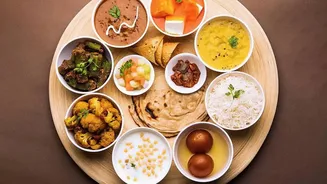
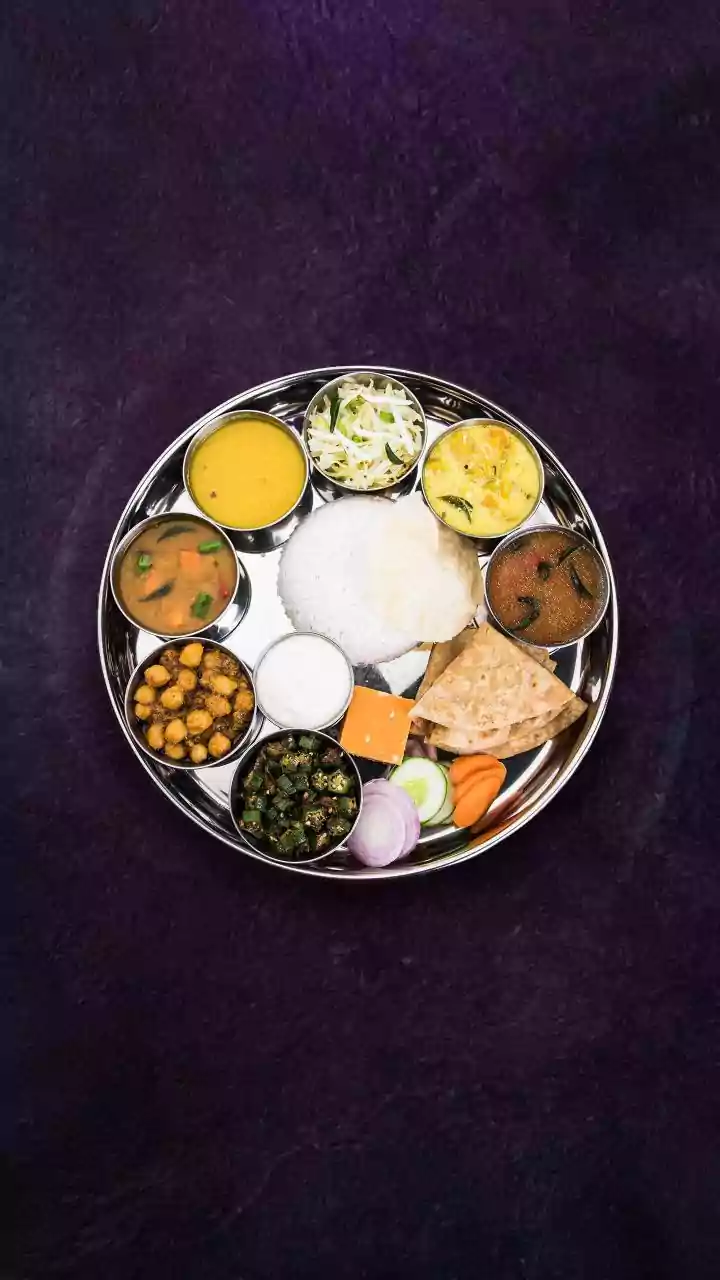
Indian hospitality often means loading a guest's (or family member's) plate high. A more sustainable approach is to serve smaller initial portions. This is the principle behind the traditional thali, where multiple items are served in small bowls. Encourage everyone to start with less and take second helpings if they are still hungry. Placing serving dishes in the kitchen rather than on the dining table can also curb the habit of mindless refilling. This small behavioural shift ensures that what's on the plate gets eaten, and any leftover food remains untouched in the main serving pot, making it safer and more appealing to store and reuse.
Embrace Creative Leftovers
Leftovers don't have to be a boring repeat of the previous day's meal. With a little creativity, they can be transformed into exciting new dishes. Leftover rice can become flavourful fried rice, lemon rice, or crispy rice balls. Extra dal can be used to knead dough for parathas, adding both protein and flavour. Cooked sabzi can be mashed and used as a filling for sandwiches, dosas, or rolls. The key is to see leftovers not as a burden but as a head start on your next meal. Store them properly in airtight containers and aim to use them within a day or two for maximum freshness and safety.