






As winter's chill arrives, we seal our homes to create a warm, cozy sanctuary. But this very act can trap an array of microscopic pollutants inside, making the air you breathe up to five times more polluted than the air outdoors.
The Great Indoor Air Trap
During colder months,
we understandably keep windows and doors shut to conserve heat. This drastically reduces natural ventilation, meaning fresh air isn't coming in to dilute and disperse pollutants generated inside the home. Compounded by spending more time indoors, our exposure to these trapped contaminants increases significantly. This combination of low ventilation and high occupancy turns our homes into containers for airborne irritants, allowing them to accumulate to potentially harmful levels. The very things we do to stay comfortable—like using heaters and cooking hearty meals—can unfortunately contribute to the problem.
Identifying the Invisible Intruders
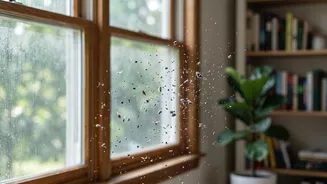
A host of pollutants can compromise your indoor air. Fine particulate matter, known as PM2.5, comes from cooking (especially frying), burning candles or incense, and smoking. Volatile Organic Compounds (VOCs) are gases released from everyday items like cleaning products, paints, new furniture, and air fresheners. Then there are biological pollutants, including dust mites, pet dander, mould spores that thrive in damp areas, and bacteria. In many Indian households, emissions from gas stoves, traditional 'tadkas', and burning mosquito coils add another layer of complexity, releasing nitrogen dioxide and other particulates directly into your living space.
The Link to Your Health
The impact of poor indoor air quality is not just a matter of comfort; it's a significant health concern. Short-term effects can include irritation of the eyes, nose, and throat, as well as headaches, dizziness, and fatigue. For those with asthma or allergies, stagnant indoor air can trigger or worsen symptoms. Long-term exposure is far more serious and has been linked to the development of chronic respiratory diseases, heart conditions, and even a decline in cognitive function. Children are particularly vulnerable because their lungs are still developing and they breathe more air relative to their body weight.
Let Your Home Breathe: The Power of Ventilation
The simplest and most effective strategy is to improve ventilation. It might seem counterintuitive when it's cold, but opening your windows for just 5-10 minutes each day can make a world of difference. This allows polluted indoor air to escape and fresh air to circulate. A good time to do this is in the afternoon when outdoor pollution levels in many Indian cities are relatively lower. Also, make it a habit to use exhaust fans in the kitchen while cooking and in the bathroom after a shower. This helps remove moisture and contaminants at their source before they can spread.
Proactive Steps for Cleaner Air
Beyond ventilation, several daily habits can significantly improve air quality. Clean regularly, but opt for damp dusting and mopping instead of dry sweeping to avoid kicking dust into the air. Vacuuming with a HEPA filter can trap fine particles effectively. Be mindful of the products you bring into your home; choose low-VOC or zero-VOC paints and cleaning supplies whenever possible. Reduce the use of artificial air fresheners and scented candles, which are major sources of VOCs. Instead, consider using essential oil diffusers with oils like lemon or rosemary, which have natural purifying properties.
Considering Plants and Purifiers
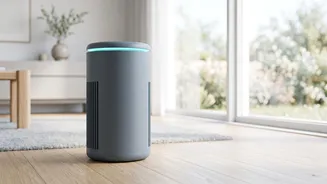
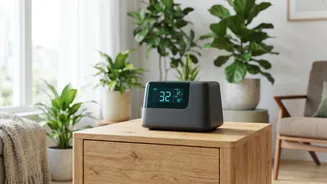
Air-purifying plants like Spider Plants, Peace Lilies, and Snake Plants can help filter some toxins from the air, but their overall impact in a highly polluted environment is limited. They are a great natural supplement but shouldn't be your only line of defence. For a more robust solution, especially in urban areas with high outdoor pollution, an air purifier with a High-Efficiency Particulate Air (HEPA) filter is a worthwhile investment. A HEPA filter is designed to capture 99.97% of airborne particles, including PM2.5, dust, and pollen, providing a reliable way to maintain a clean air zone in your most-used rooms, like the bedroom.