




Your Digestive Powerhouse: Meet the Enzymes
At the heart of digestion is a team of microscopic powerhouses called enzymes. These specialised proteins are biological catalysts, responsible for breaking down the complex molecules in your food—carbohydrates, proteins, and fats—into smaller, absorbable
nutrients. Think of them as highly specific keys designed to unlock the nutrients trapped inside your meals. Your body produces its own digestive enzymes, but some foods also contain their own, which can aid the process. However, these tiny workers are sensitive. Their efficiency is directly tied to their environment, and one of the most critical factors is temperature.
How Temperature Affects Enzyme Activity
Digestive enzymes, like all enzymes, operate best within a narrow temperature range, ideally around our own body temperature of 37°C (98.6°F). When you consume very cold food or drinks, your body must expend energy to warm them up before digestion can proceed efficiently. This can temporarily slow down enzyme activity, as the cold environment is not optimal for them to function. Conversely, while cooking food at high temperatures can make it easier to digest by breaking down tough fibres, extreme heat also destroys the natural enzymes present in raw foods. Most food enzymes begin to break down above 48°C (118°F), meaning cooked foods rely entirely on your body's own enzymes for digestion.
The Case for Warm Meals
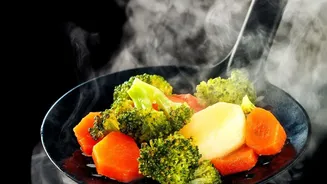
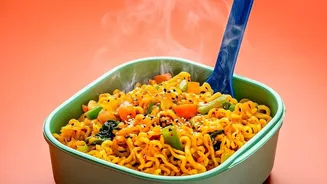
Traditional wellness systems like Ayurveda and Traditional Chinese Medicine have long advocated for eating warm, cooked foods. The reasoning aligns with modern understanding: warm food is closer to your body's core temperature, meaning your digestive system expends less energy on thermal regulation and can get straight to work. Warmth helps relax the muscles of the digestive tract, can increase blood flow to the area, and may promote the secretion of your body’s own digestive enzymes. This can lead to more efficient digestion and nutrient absorption, and is often why soups, stews, and other warm dishes are considered comforting, especially for those with sensitive stomachs.
Are Cold Foods Bad for Your Gut?
This doesn't mean you need to swear off salads and smoothies. For most healthy individuals, the body is perfectly capable of handling cold foods. The energy spent warming them is typically minimal. However, for some people, particularly those with existing digestive issues like Irritable Bowel Syndrome (IBS) or a sensitive stomach, a diet high in cold foods may lead to temporary discomfort. Symptoms like bloating, cramping, or a feeling of heaviness can occur as the digestive process slows down to accommodate the cold temperature. This is because cold can cause blood vessels in the digestive system to constrict, which may impair the process for a short time.
Listening to Your Body: The Ultimate Guide
Ultimately, the debate isn't about declaring one temperature 'good' and the other 'bad'. While warm foods may offer a slight digestive advantage and feel more soothing, cold foods are still nutritious and perfectly fine for most. The most important factor is how your individual body responds. Pay attention to how you feel after eating. Do you feel energised and comfortable, or bloated and sluggish? Factors like chewing your food thoroughly, the freshness of your ingredients, and your overall stress levels often play a much larger role in digestive health than temperature alone. For instance, some cooked foods actually offer more available nutrients, like the lycopene in cooked tomatoes.