





Why Monsoon is a Gardener's Best Friend
For years, many home gardeners saw the monsoon as a break, a time when heavy rains posed a threat to their plants. But that perspective is shifting. The rainy season, typically from June to September, actually creates the perfect storm for growth: high
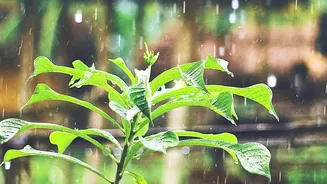
humidity, cooler temperatures, and, of course, free and frequent watering. Rainwater itself is a boon for plants. Unlike treated tap water, it is naturally soft, slightly acidic, and free from chemicals like chlorine that can build up in soil. It is also rich in nitrogen, a key nutrient that helps plants grow faster and greener. This natural nourishment, combined with warm temperatures and high humidity, helps many plants, especially tropical varieties, flourish.
The Urban Appeal of a Green Balcony
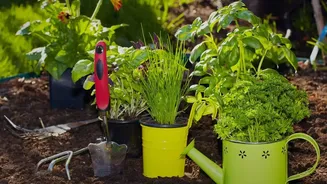
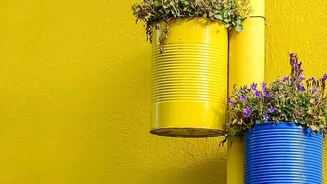
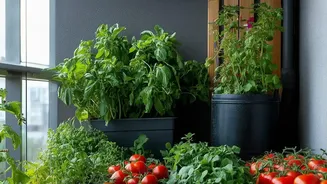
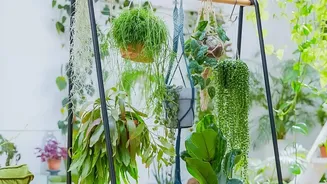
The trend is particularly strong in urban areas, where concrete often outweighs canopy. For residents in apartments, gardening has moved from the ground to balconies, windowsills, and terraces. This shift is driven by a desire to reconnect with nature, improve personal well-being, and add a touch of green to otherwise dense cityscapes. A small garden offers a peaceful escape and the rewarding experience of nurturing life. Furthermore, growing your own herbs and vegetables, even on a small scale, provides the freshest possible ingredients for your kitchen. The accessibility of compact plant varieties and space-saving techniques like vertical gardening has made it easier than ever for city dwellers to cultivate their own green corner.
Getting Started: Essential Monsoon Prep
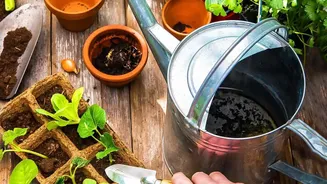
Success in monsoon gardening hinges on managing water. While the rain is beneficial, too much of a good thing can lead to problems like root rot. The single most important rule is to ensure proper drainage. Make sure every pot has clear drainage holes. Elevating pots on stands or bricks prevents them from sitting in puddles of water. Use a well-draining soil mix, often a combination of soil, compost, and cocopeat, which holds moisture without becoming waterlogged. During periods of heavy rain, you can stop manual watering altogether; just check if the top inch of soil is dry before you consider it. Pruning your plants before the season and during helps encourage new, healthy growth and improves air circulation, which can ward off fungal diseases.
Best Plants for a Thriving Monsoon Garden
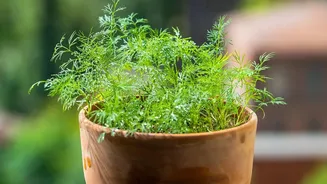
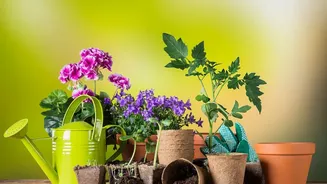
Choosing the right plants is key. Many species thrive in the wet and humid conditions of the Indian monsoon. For flowers, consider hardy and vibrant options like hibiscus, balsam, marigold, and rain lilies, which often bloom spectacularly after a shower. Fragrant flowers like jasmine (mogra) and Rangoon creeper (madhumalti) also flourish during this time. If you're building a kitchen garden, you're in luck. Leafy greens like spinach and amaranth grow quickly. It's also the perfect season for vegetables like yardlong beans (lobia), ridge gourd, bottle gourd, and chillies. Herbs such as tulsi (holy basil) and mint also do exceptionally well, providing fresh flavours for your monsoon chai.
Caring for Your Greens
While the weather does most of the work, some care is still needed. The high humidity that plants love can also attract pests and fungal attacks. Keep a watchful eye on your plants and consider a preventive spray of organic neem oil every couple of weeks. Regularly remove any dead or yellowing leaves to maintain plant hygiene. For indoor plants, reduced sunlight on cloudy days can be a challenge. Move them closer to windows to maximize the available light, and wipe dust off their leaves so they can photosynthesize more efficiently. Avoid the temptation to overwater indoor plants; the high humidity means the soil will stay moist for longer.