





Essential Documents and Identification
Before you pack a single piece of clothing, ensure your documents are in order. The most crucial is the Compulsory Health Certificate (CHC) issued by an authorised doctor, which confirms your fitness for the high-altitude trek. You will also need your Yatra
Permit, which is generated after successful registration online or at designated bank branches. Carry your original Photo ID (Aadhaar is preferred) and several passport-sized photographs. It's mandatory to collect and wear your Radio Frequency Identification (RFID) tag at all times during the yatra for safety and tracking. Keep these documents in a waterproof bag to protect them from unpredictable rain.
High-Altitude Clothing: The Layering Strategy
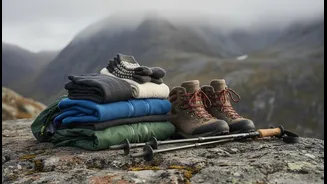
Weather in the Himalayas is unpredictable, with temperatures sometimes dropping below 5°C. The key to staying warm without being weighed down is layering. Start with thermal innerwear to retain body heat. Add a mid-layer like a fleece jacket, followed by a waterproof and windproof outer jacket. Waterproof trousers are also essential. Avoid heavy cotton clothes, which take a long time to dry and can make you feel colder when wet. Ladies are advised to wear comfortable clothing like a salwar kameez or tracksuit instead of a sari, which can be difficult to manage on the trek.
Footwear and Protective Accessories
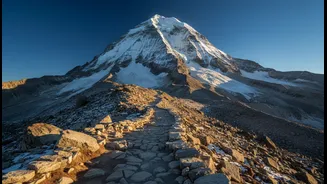
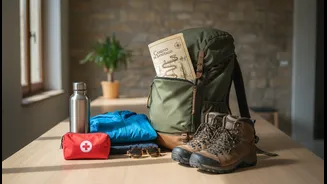
The Amarnath Yatra involves walking on uneven, rocky, and often slippery paths. A pair of sturdy, high-ankle, waterproof trekking shoes with a good grip is non-negotiable. Avoid wearing slippers or new shoes that haven't been broken in to prevent blisters. Pack several pairs of warm, woollen socks. To protect against the cold and sun, carry a woollen cap or balaclava, waterproof gloves, sunglasses with UV protection, and a scarf. A walking stick or trekking pole can provide crucial support and stability on steep sections.
Personal Medical and First-Aid Kit
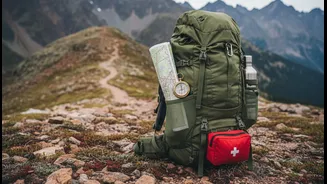
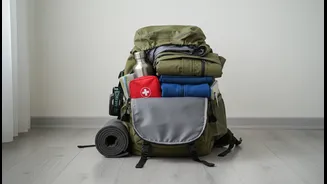
High altitude can pose health challenges, so a personal medical kit is essential. Pack any prescribed medications you take regularly, plus enough for a few extra days. Include basic medicines for fever, headache, pain relief, stomach upset, and motion sickness. An antiseptic cream, bandages, and ORS sachets are also a must. Sunscreen and a moisturising cold cream are vital to protect your skin from strong UV rays and dry, cold winds. While medical facilities are available every few kilometres, having your own kit ensures immediate access to first aid.
Food, Hydration, and Small Essentials
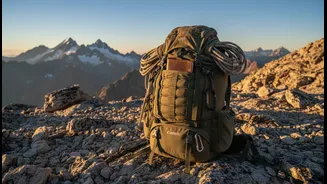
Staying hydrated and energised is crucial. Carry a reusable water bottle and aim to drink about 5 litres of fluid daily to prevent dehydration. Pack high-energy snacks like chocolates, dried fruits, nuts, and glucose packets for a quick energy boost during the trek. While langars (community kitchens) provide meals, these snacks are useful between stops. Note that certain items like non-vegetarian food, alcohol, and oily junk food are prohibited. Other useful items to pack include a headlamp or torch with extra batteries, a power bank for your phone, and a small backpack to carry your daily essentials.
Connectivity and What to Leave Behind
To avoid overpacking, be mindful of what you don't need. Heavy, bulky clothing is unnecessary if you layer correctly. Only postpaid mobile connections work in the Jammu and Kashmir region, so plan your communication accordingly. While the desire to capture memories is strong, limit your electronics. Focus on being prepared for the journey's physical demands rather than carrying non-essential items. The goal is to travel light but smart, ensuring you have everything you need for a safe pilgrimage without being burdened by unnecessary weight.