






More Than Just Breathing
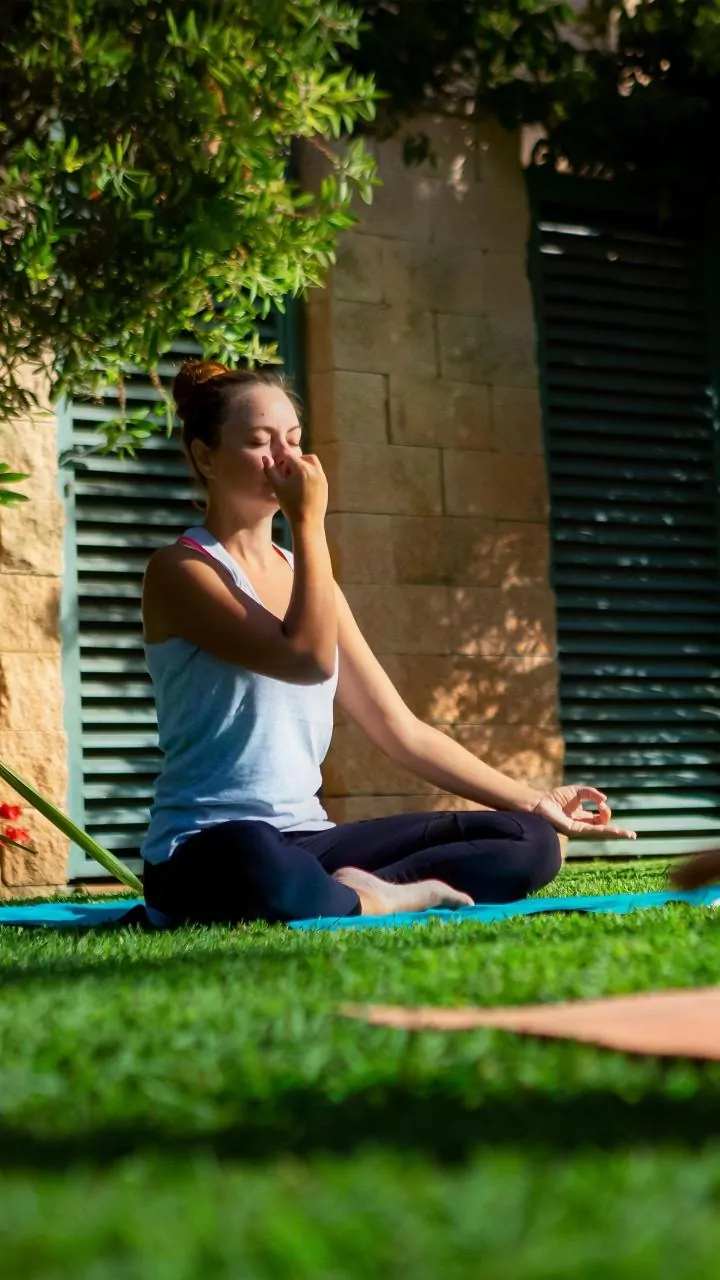
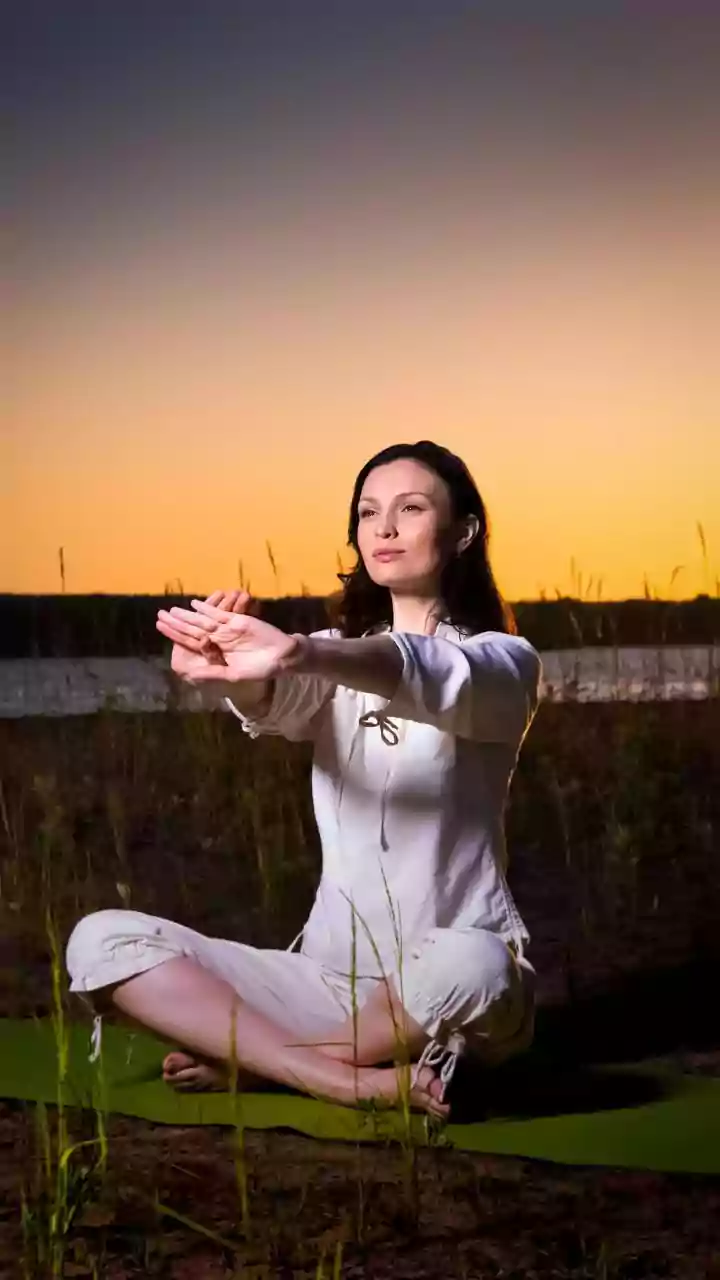
At its core, breathwork is the practice of consciously controlling your breathing patterns to improve mental, physical, or emotional well-being. While it might be trending on TikTok, the practice has deep roots in ancient traditions like yogic pranayama.
The fundamental idea is simple: by deliberately changing the rhythm and depth of your breath, you can influence your body’s physiological state. Techniques range from simple, calming exercises like diaphragmatic (or belly) breathing to more intense practices like Holotropic breathwork or the Wim Hof method. The goal can be to relax, energize, improve focus, or even process emotions.
The Gen Z Appeal: Accessible and Authentic
So why has this ancient practice captivated a generation known for its digital-first lifestyle? For one, it’s incredibly accessible. Unlike expensive gym memberships or complicated wellness routines, basic breathwork can be done anywhere, anytime, and for free, making it a powerful tool for a generation valuing proactive and personalised health. Reports show that Gen Z prioritises wellness, often ranking it above career or money, and seeks out small, consistent habits that fit into their daily lives. Breathwork fits this model perfectly. It provides an immediate, tangible way to manage the anxiety and burnout that are prevalent in today's fast-paced world. It's an authentic, self-directed practice that offers a sense of control in overwhelming moments.
The Science of a Deep Breath
The benefits of breathwork aren't just anecdotal; they are backed by a growing body of scientific research. Many popular techniques work by stimulating the vagus nerve, a key component of the parasympathetic nervous system—our body's “rest and digest” mode. When you breathe slowly and deeply, especially with a long exhale, you send a signal to your brain that you are safe. This can help lower the production of the stress hormone cortisol, reduce blood pressure, slow your heart rate, and decrease feelings of anxiety and depression. Studies have shown that even five minutes of deep breathing can significantly lower perceived stress. This ability to consciously switch off the “fight or flight” response is what makes breathwork such an effective tool for managing stress.
A Shortcut or a Sustainable Practice?
While breathwork can offer immediate calming effects, calling it a “shortcut” might miss the point. While simple techniques like box breathing can provide quick relief, the deeper benefits come from consistent practice. Experts caution that more intense forms of breathwork, such as those involving rapid breathing or hyperventilation, can carry risks. These can include dizziness, tingling, or, in rare cases, more serious complications, especially for individuals with pre-existing cardiovascular or respiratory conditions. It's crucial to approach these advanced methods with guidance from a trained facilitator. Rather than a shortcut that magically solves all problems, it’s more accurately described as a powerful and sustainable skill. With regular practice, it can build emotional resilience and become a foundational part of a holistic approach to mental and physical health.
Getting Started: A Simple Guide for Beginners
Curious to try it yourself? Here are a couple of simple, safe, and effective techniques perfect for beginners: **Box Breathing:** One of the simplest methods to learn, used to calm the nervous system and increase focus. Imagine a box with four equal sides. Inhale through your nose for a count of four. Hold your breath for a count of four. Exhale through your mouth for a count of four. Hold the exhale for a count of four. Repeat the cycle for a few minutes. **4-7-8 Breathing:** Developed as a tool for relaxation and to help with sleep. Sit or lie down comfortably. Exhale completely. Close your mouth and inhale quietly through your nose for a count of four. Hold your breath for a count of seven. Exhale completely through your mouth, making a 'whoosh' sound, for a count of eight. Repeat for four cycles.