

The First Step: Verifying Access
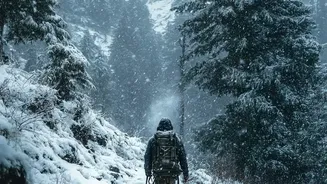
Before you book flights or buy gear, the most critical step is to confirm that your chosen trek is actually open. Winter conditions in the Himalayas are unpredictable. Heavy snowfall can block roads and trails, and local authorities may close access for safety
reasons with little notice. Always check with reliable sources. Your trek operator is your first point of contact; they should have the most current information from their ground teams. Additionally, check the websites of the local District Administration and state Forest Departments for official circulars, especially for popular regions in Uttarakhand and Himachal Pradesh. Remember that conditions can change weekly, so a trail that is open in December might face temporary closure in January.
Understanding Permits and Regulations
Most popular winter treks in India, such as those in Uttarakhand, pass through protected areas like national parks or wildlife sanctuaries. This means you will need a permit. Typically, your trekking agency arranges these permits as part of your package, but you must carry a valid government-issued photo ID (like an Aadhaar card or passport) for verification at checkpoints. Regulations can be dynamic; some states or districts have been known to introduce new rules regarding mandatory guides or registration. For example, treks in the Govind Wildlife Sanctuary, which includes the popular Kedarkantha, require specific forest permits. Always confirm the latest permit requirements with your operator to ensure a smooth journey.
Kedarkantha: The Winter Classic
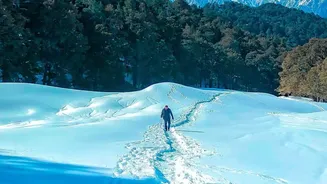
Often called the 'Queen of Winter Treks', Kedarkantha in Uttarakhand is a favourite for its reliable snow and accessible summit, which offers stunning 360-degree views. The season typically runs from December to April, with January and February seeing the deepest snow. The trek starts from Sankri, a village accessible from Dehradun. As the trail lies within Govind Wildlife Sanctuary, permits are mandatory and camping is restricted to designated sites. Before your trip, verify road access to Sankri, as heavy snow can sometimes cause delays. Also, check with your operator about the current snow depth, which will determine whether you need gear like microspikes and gaiters, usually provided by the agency.
Brahmatal: Lakes and Ridges
For those seeking dramatic ridge walks and views of towering peaks like Mt. Trishul and Nanda Ghunti, the Brahmatal trek is an excellent choice. Its winter season also spans from December to March. Starting from the base camp of Lohajung in Uttarakhand, this trek is famous for its two frozen lakes, Bekaltal and Brahmatal. The trail access is managed by the local forest department, and attempting it off-season without a guide and permit can lead to being turned back at checkpoints. While considered suitable for beginners, the cold can be intense, with night temperatures dropping significantly below zero. It is a great alternative to Kedarkantha, often with fewer crowds.
Chadar Trek: The Frozen River Expedition
The Chadar Trek in Ladakh is in a league of its own, involving walking on the frozen Zanskar River. This trek is highly conditional and its opening is entirely dependent on the river freezing into a stable sheet of ice. The season is short, typically in January and February. In recent years, its accessibility has been unpredictable; the 2026 season was suspended because the river did not freeze safely. The Ladakh administration tightly regulates the trek, requiring mandatory medical check-ups in Leh, a three-day acclimatisation period, and permits arranged only through registered operators. No official dates for 2027 have been announced as of late 2026. Do not book any travel until the administration officially opens the season.
Other Notable Winter Options
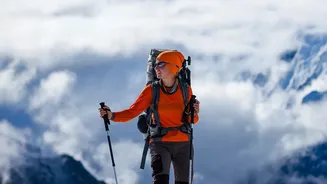
Beyond the big names, several other treks offer incredible winter experiences. The Dayara Bugyal trek in Uttarakhand is known for its vast, rolling snow meadows and is considered one of the easiest multi-day snow treks for beginners. In Himachal Pradesh, the Triund trek near Dharamshala offers a shorter, weekend-friendly option with views of the Dhauladhar range. For any of these, the same principles apply: verify local access, especially after fresh snowfall, confirm weather forecasts, and always trek with a reputable guide or agency. Winter adds a layer of difficulty to any trail, so choosing a trek that matches your fitness level is crucial for a safe and enjoyable adventure.