
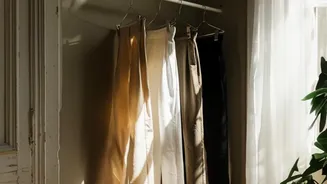
The End of the Beige Monoculture
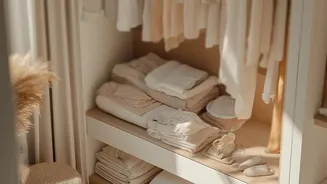
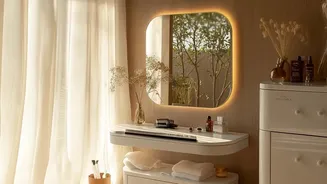
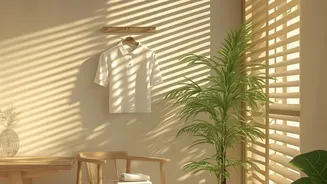
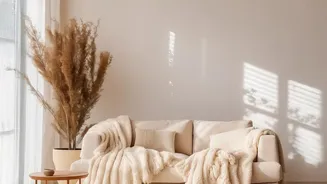
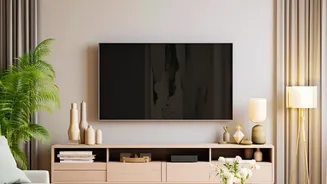
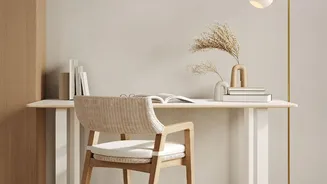
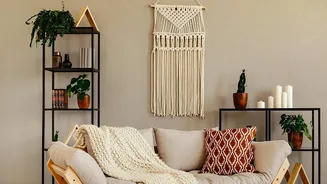
For the better part of a decade, scrolling through design inspiration felt like looking at the same room over and over. Creamy beige walls, beige bouclé sofas, and light wood floors created a cohesive, calming, and undeniably popular aesthetic. This look,
tied to the rise of minimalism and the “quiet luxury” movement, offered a visual respite in a chaotic world.. However, design fatigue has officially set in. What once felt serene now often reads as impersonal or even “sad beige.”. Overexposure has made the aesthetic predictable and, for many, emotionally flat.. Homeowners and designers are beginning to push back against the sea of sameness, seeking spaces that feel less like a showroom and more like a reflection of their own unique story.. The consensus is growing: a home should be a sanctuary, but a sanctuary with soul.
Defining the New Warmth
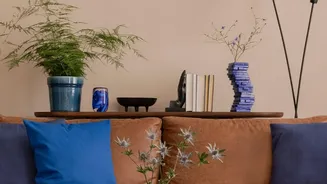
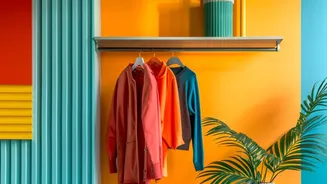
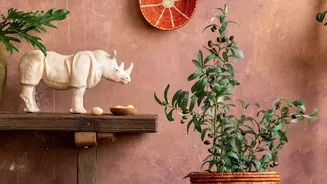
The reversal of the beige trend isn't about a sudden explosion of jarring, bright colors. Instead, it’s a sophisticated and intentional shift towards “warmer contrasts.”. This new palette is still rooted in neutrality, but it's a richer, more complex version. Think less about flat beige and more about layered, earthy tones like terracotta, olive green, cola-browns, and dusty mauves.. These shades provide the same comforting base as beige but with significantly more depth and character.. The 'contrast' in this trend is just as important as the 'warmth.' It's about pairing these deeper colors with softer, chalky neutrals and natural materials to create a look that is layered and dynamic, rather than monochromatic and flat..
A Desire for Comfort and Character
So, why is this shift happening now? The psychology behind this trend points to a collective desire for homes that feel like true personal retreats. The starkness of pure minimalism can feel cold or clinical, and after years of spending more time at home, people are craving comfort, authenticity, and emotional connection in their spaces.. Warmer, earthier tones are grounding; they connect us to the natural world and evoke a sense of stability.. This new aesthetic, sometimes called “cozy minimalism” or “midimalism,” prioritizes feeling over a specific look.. It’s about building a home that tells a story, incorporating vintage finds, handcrafted objects, and personal mementos that were often edited out of the strictly minimalist playbook..
Texture Is the Key Contrast
A crucial element of this trend is the elevation of texture. Where the beige trend often resulted in smooth, visually quiet surfaces, the move to warmer contrasts relies heavily on tactile richness to create interest.. The contrast comes not just from color but from the interplay of different materials. Imagine a rich velvet sofa, a nubby wool rug, raw stone accents, plaster-finish walls, and handcrafted ceramics.. These elements invite touch and add a layer of sensory depth that color alone cannot achieve.. This focus on materiality makes a space feel more organic, lived-in, and curated over time, rejecting the idea of a home that looks permanently photo-ready and untouched..
How to Embrace the Trend
Incorporating warmer contrasts doesn’t require a complete overhaul. The beauty of this trend is its adaptability. You can start small by swapping out beige throw pillows for ones in a rich terracotta or a deep olive green.. Consider adding a single piece of furniture in a darker wood tone to anchor the room or hanging a large piece of art that introduces a warmer, more complex palette.. Look for textiles with interesting weaves and textures, like linen curtains or a chunky knit blanket.. Even something as simple as adding plants in terracotta pots can bring life and a touch of earthy warmth into a space, gently steering it away from monochrome and towards a more dynamic and personal style..