




From Side Dish to Main Event
For years, mushrooms were relegated to a supporting role in Indian cuisine—a simple topping on a pizza or a secondary ingredient in a mixed vegetable curry. But in the bustling cafés of cities like Mumbai, Delhi, and Bengaluru, that narrative is changing.
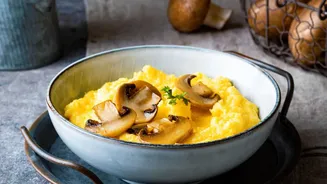
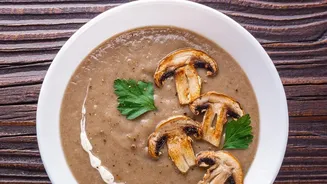
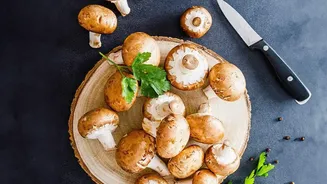
Chefs are no longer content with just the common button mushroom; they are embracing a whole world of fungi. We're seeing creamy truffle mushroom flatbreads, hearty portobello mushroom burgers that serve as a meat substitute, and inventive mushroom biryanis sharing menu space with classic favourites. This isn't just about adding a new ingredient; it's a fundamental shift in perception. The mushroom is no longer just an add-on; it's the main attraction, celebrated for its unique, earthy flavour and incredible versatility.
The Health Halo Effect
A significant driver of this trend is the growing health consciousness among urban diners. Mushrooms are nutritional powerhouses, low in calories but packed with protein, fibre, and essential vitamins like D and B complex. As more people lean towards plant-based or flexitarian diets, mushrooms offer a satisfying, meaty texture without the cholesterol. They are rich in antioxidants like selenium, which helps protect the body's cells from damage, and have been linked to a range of health benefits, including boosting the immune system and supporting gut health. With terms like 'functional foods' and 'superfoods' gaining traction, mushrooms fit perfectly into the modern diner's desire for food that is both delicious and genuinely good for them.
Beyond the Button Mushroom
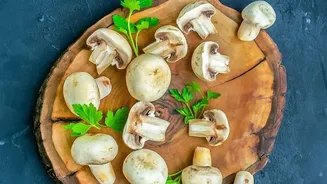
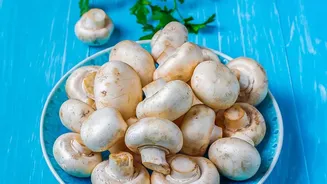
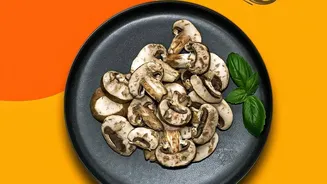
The mushroom revolution in Indian cafés is also a story of variety. The once-dominant button mushroom now shares the spotlight with a diverse cast of gourmet and exotic types. Shiitake mushrooms, known for their smoky, umami-rich flavour, are being used in stir-fries and light gravies. Delicate oyster mushrooms are finding their way into curries and pastas, while large, firm portobello caps are being grilled and used as a base for burgers. Farms on the outskirts of cities like Bengaluru are now cultivating varieties like King Oyster, Lion's Mane, and Shimeji, supplying them fresh to local restaurants. This expanded availability has given chefs a much richer palette of textures and flavours to experiment with, leading to more creative and sophisticated dishes.
Chefs Get Creative
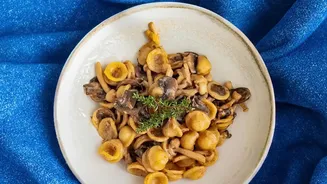
This newfound access to variety has unleashed a wave of culinary innovation. In place of the standard mushroom masala, café menus now feature dishes that showcase the fungus in new and exciting ways. Think of mushroom pepper fry, a quick and flavourful South Indian-style preparation, or a creamy mushroom kurma with a coconut base. Some establishments are even transforming mushrooms into fillings for dosas or crafting rich, aromatic mushroom pulao. The ability of mushrooms to absorb flavours makes them incredibly adaptable. They can handle the bold spices of a Kadai Mushroom, the creamy richness of a Mughlai-style gravy, or the subtle notes of a Western-style risotto, making them a chef's dream ingredient.
A Sustainable and Savvy Choice
Beyond taste and health, mushrooms also appeal to the environmentally conscious consumer and the savvy restaurant owner. Mushroom cultivation is notably sustainable, requiring less water, land, and energy compared to many other crops and especially compared to animal protein. They can be grown vertically in controlled environments, making them a viable urban farming product. For chefs and café owners, mushrooms are also an operationally smart ingredient. They are versatile and can be used to create high-impact dishes without relying on more expensive proteins, helping to manage costs while still delivering a gourmet experience. This combination of flavour, health, and sustainability makes mushrooms a trend that is built to last.