




The Golden Rules of Vrat Eating
A 'vrat' or 'upvas' diet is guided by specific principles that distinguish it from everyday meals. The cornerstone of this diet is the exclusion of cereal grains like wheat and rice, lentils, and legumes. Additionally, certain vegetables like onions and garlic,
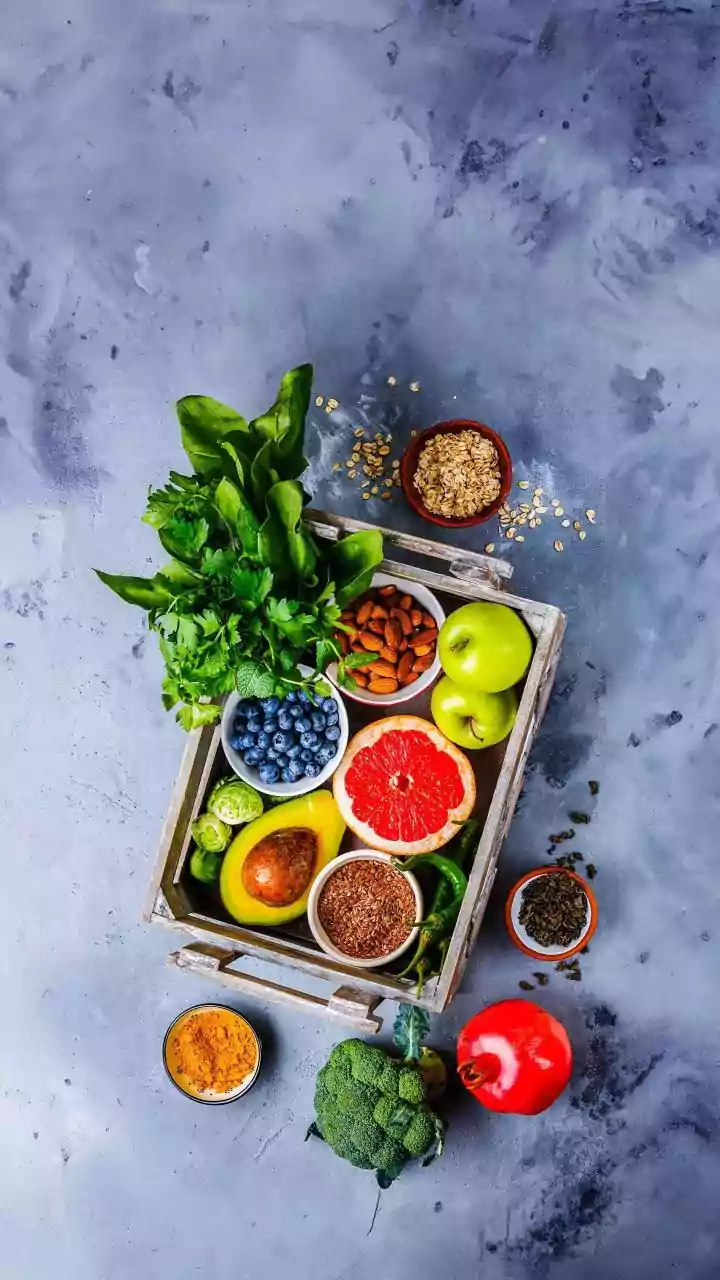
and common table salt are avoided. Instead, the diet embraces 'phalahari' or fruit-based eating, which extends to a specific list of permitted foods. This includes all fruits, most dairy products like milk and paneer, certain vegetables such as potatoes and pumpkin, and specific flours. The salt used is 'sendha namak' or rock salt, which is considered a purer form. The entire philosophy is rooted in consuming 'Sattvic' foods—those that are light, pure, and easy to digest, promoting clarity of mind and physical well-being during a period of spiritual focus.
Makhana: The Humble Powerhouse
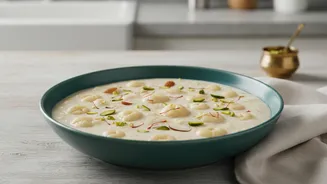
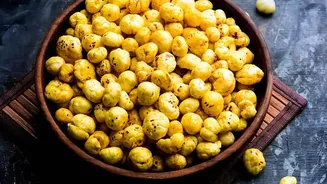
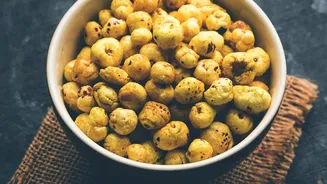
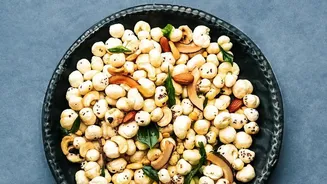
Makhana, also known as fox nuts or lotus seeds, are a fasting favourite for good reason. Technically the seed of an aquatic plant, they are not a cereal grain and are thus permitted during vrat. Nutritionally, they are a fantastic choice for maintaining energy. Makhana are low in calories and fat but rich in protein and dietary fibre, which helps you feel full for longer and aids digestion. They are also an excellent source of essential minerals like magnesium and potassium, which are beneficial for heart health and regulating blood pressure. Their low glycemic index ensures a slow release of energy, preventing the sudden spikes and crashes in blood sugar often associated with other snacks. Whether roasted with a little ghee and rock salt, added to kheer, or ground to thicken curries, makhana provide a satisfying crunch and sustained nourishment.
Kuttu: The Versatile Pseudo-Grain
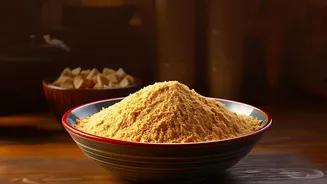
Kuttu ka atta, or buckwheat flour, is another staple of the vrat kitchen. Despite its name, buckwheat is not related to wheat; it's a 'pseudo-cereal'—the seed of a fruit—which is why it's allowed during fasts when true grains are forbidden. Kuttu is nutritionally dense, offering high-quality plant-based protein, significant dietary fibre, and a wealth of minerals like magnesium and iron. Its high fibre content not only keeps you satiated but also supports digestive health, preventing issues like bloating. Traditionally, kuttu is considered to have a warming effect on the body, making it particularly suitable for fasts that fall during cooler seasons, like Sharad Navratri. From fluffy puris and parathas to savoury cheelas and dosas, kuttu atta is incredibly versatile, providing a hearty and grounding element to fasting meals.
Rajgira: The Nutrient-Rich Seed
Rajgira, or amaranth, shares a similar story to kuttu. It is also a pseudo-cereal, not a true grain, making it a perfect fit for a fasting diet. What sets rajgira apart is its exceptional protein profile; it contains lysine, an essential amino acid that is often lacking in other plant-based foods, making it a complete protein source. This superfood is also packed with calcium, iron, and phosphorus, which contribute to bone health and help maintain energy levels. Like makhana and kuttu, rajgira is high in fibre, aiding in digestion and promoting a feeling of fullness. Its flour can be used to make soft rotis and puris, while its puffed seeds are used to make chikki or ladoos. Its versatility and robust nutritional content make it an invaluable ingredient for anyone observing a fast.
From Fasting Food to Modern Superfood
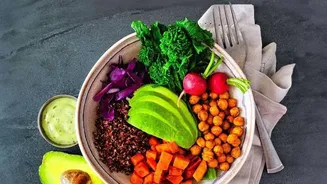
While makhana, kuttu, and rajgira have been revered in tradition for centuries, their benefits are now being celebrated in the modern wellness world. All three are naturally gluten-free, making them excellent choices for those with gluten intolerance or celiac disease, well beyond the fasting period. Their high-protein, high-fibre, and low-fat profiles have made them popular among health-conscious consumers for weight management and overall nutrition. What was once reserved for spiritual observance is now recognised as a smart, everyday dietary choice. This beautiful intersection of ancient wisdom and modern science confirms what generations have known: these ingredients are not just about following rules, but about deeply nourishing the body and soul.