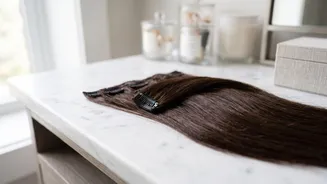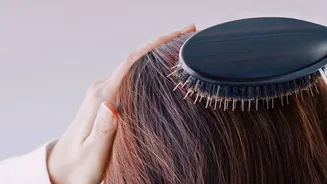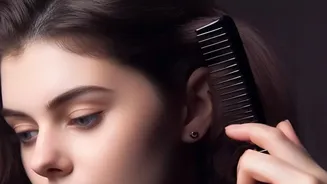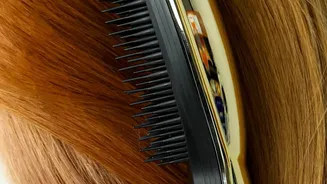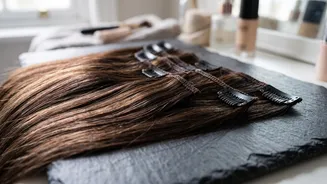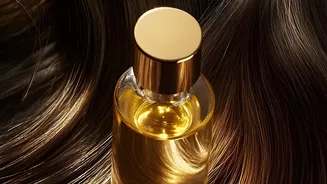



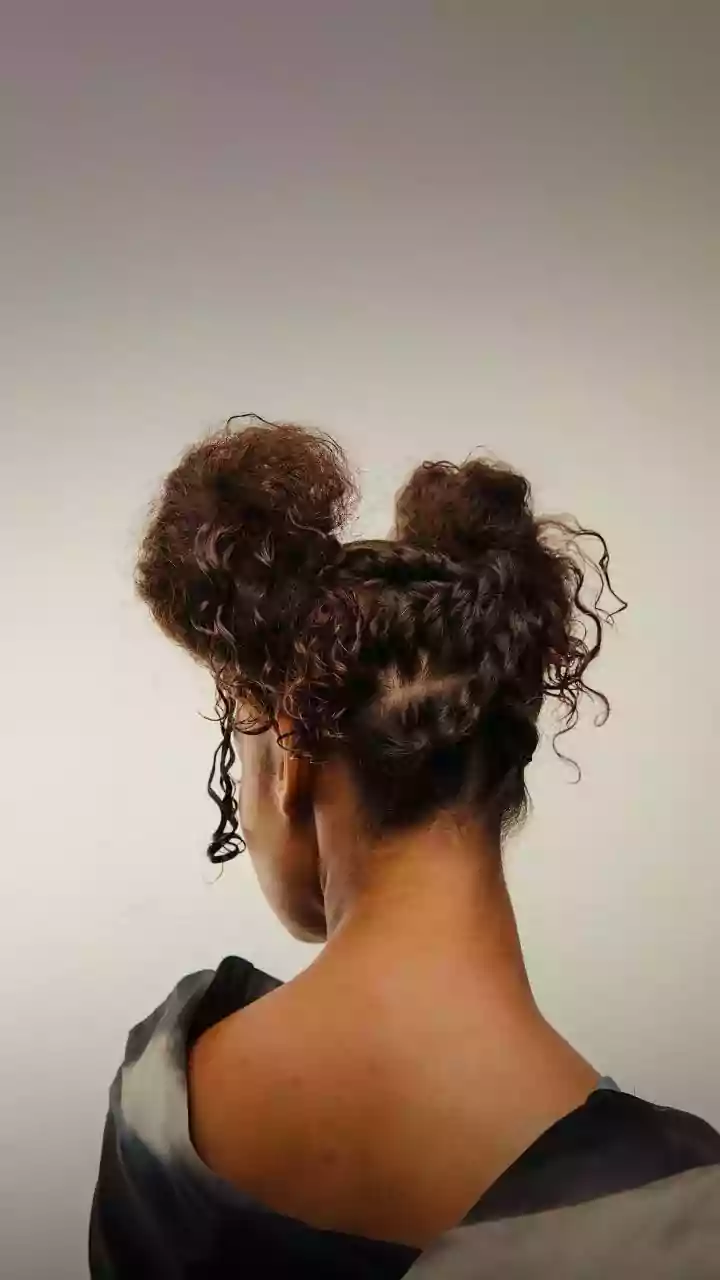


Hair extensions offer a fantastic way to add length and volume, but the true mark of a great application is a seamless blend. The secret to avoiding that tell-tale line where your natural hair ends is simpler than you think: a light serum.
The Quest for an Invisible Blend
The primary
goal of wearing extensions is for them to look like your own hair, only better. However, the most common giveaway is the transition point, especially if your natural hair is shorter or has a different texture. This is where blending becomes an art. A perfect blend ensures your hair and the extensions move as one cohesive unit, creating a natural flow that is convincing from every angle. Without it, you can get what stylists call a 'shelf'—a blunt line that separates your real hair from the added strands. Proper blending is less about hiding a secret and more about perfecting the illusion for a polished, high-end result.
Why a Light Serum Is Your Best Friend
Not all hair products are created equal, especially when it comes to extensions. While heavy oils and rich creams might seem like a good idea for shine, they are often the worst culprits for extension mishaps. Heavy products can cause significant buildup, make the hair look greasy, and, most critically, they can weaken the bonds of tape-in or keratin extensions, leading to slippage. A lightweight serum, however, provides the perfect solution. These formulas are designed to smooth the hair's cuticle and tame flyaways without adding weight or greasy residue. They work on the surface of the hair, creating a silky finish that allows your natural strands and the extension hair to glide past each other and integrate seamlessly.
How to Choose the Right Serum
When shopping for a serum, look for keywords like 'lightweight,' 'non-greasy,' and 'silicone-based'. Silicone-based serums are excellent for extensions because they form a protective, smoothing barrier without penetrating and weighing down the hair. Check the ingredients list and avoid products with heavy oils like castor oil, or those containing drying alcohols, which can make extensions brittle. Even if you have thick hair, considering a serum formulated for 'fine hair' is a smart trick, as these are almost always lightweight. Ingredients like argan oil can be beneficial, but only in very refined, lightweight formulas where they are not the primary, heavy ingredient.
A Step-by-Step Application Guide
Proper application is just as important as the product itself. Follow these steps for a flawless finish: 1. Start with dry, styled hair. Serum is a finishing product meant to merge the final look. 2. Use a very small amount. A pea-sized drop is often enough for your whole head. You can always add more, but you cannot easily take it away. 3. Warm the product between your palms. This ensures a thin, even distribution. 4. Focus on the mid-lengths and ends. This is the crucial area where your natural hair meets the extensions. Gently smooth the serum over this zone. 5. Avoid the roots and bonds. Never apply serum near your scalp or directly onto the tape, beads, or keratin bonds, as this can cause them to loosen over time. 6. Use your fingers to gently comb through the hair, encouraging the two textures to merge. This will help smooth any frizzy ends from your natural hair into the length of the extensions.
Common Mistakes to Avoid
To keep your extensions looking their best, steer clear of a few common errors. The most frequent mistake is using too much product, which instantly leads to a greasy, weighed-down look. Another is applying serum to wet hair; for blending purposes, serum works best on dry, styled hair to perfect the final texture. Finally, avoid any product labelled as a heavy 'oil' or thick 'butter'. While nourishing for natural hair, these are not extension-friendly and can cause buildup and slippage. Sticking to a dedicated lightweight serum will protect your investment and keep your hair looking naturally beautiful for longer.