
The Modern Protein Push
The question 'Where do you get your protein?' has long followed vegetarians. While Indian cuisine has always had robust answers in its dals, legumes, and paneer, a new awareness is driving change. There's a noticeable shift from simply being calorie-conscious
to becoming nutrition-conscious, with a sharp focus on protein intake. This trend is fuelled by a growing fitness culture, increased understanding of muscle health, and a desire for more variety on the plate. The Indian plant-based food sector is growing at around 18% annually, significantly faster than the global average, signalling a massive shift in dietary habits and consumer demand.
Rediscovering Traditional Pulses
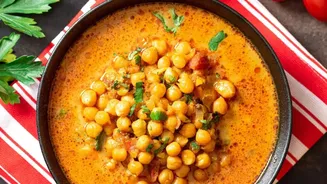
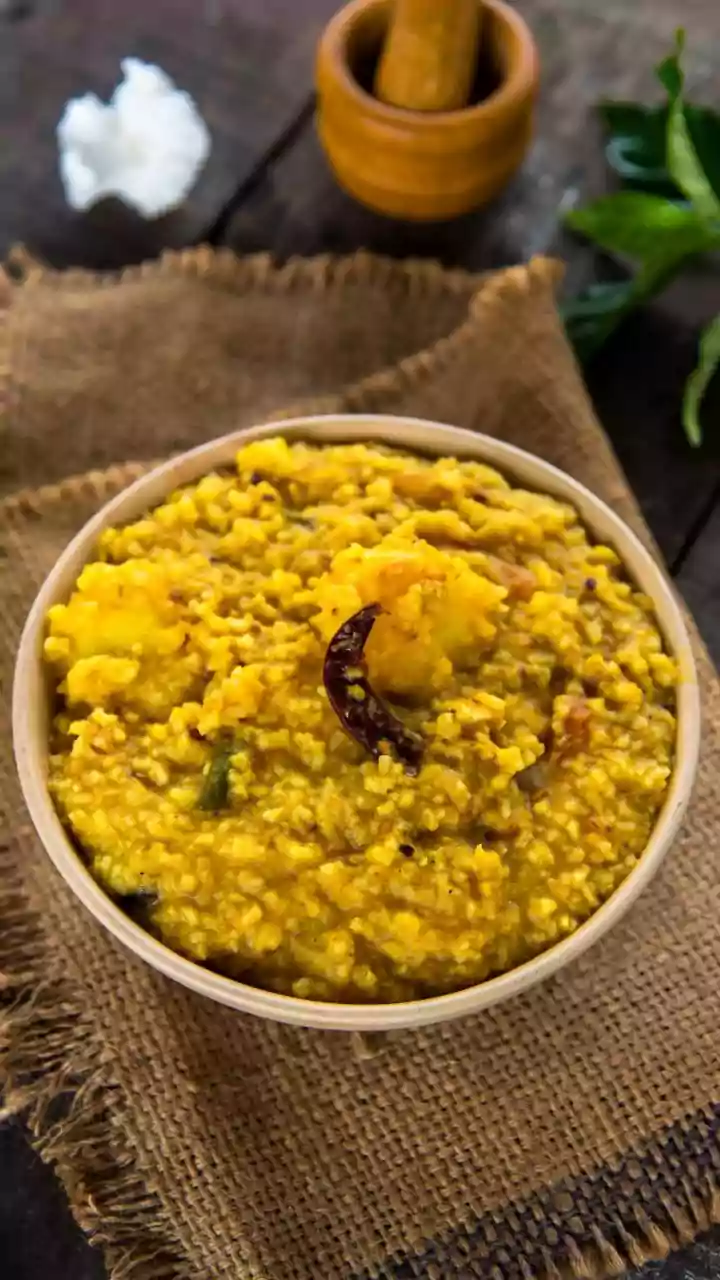
The innovation isn't just about importing new ingredients; it's also about looking inward. India has a rich history of cultivating a wide variety of pulses, many of which are being rediscovered for their potent nutritional profiles. While staples like toor, moong, and chana dal remain central, lesser-known powerhouses are returning to urban kitchens. Horse gram (kulthi), once a rural staple, is being celebrated for its high protein content and earthy flavour in soups and curries. Similarly, cowpea (lobia) and black gram (urad dal) are being used more creatively beyond their traditional preparations, offering a different texture and a substantial protein boost.
Global Grains in the Indian Kitchen
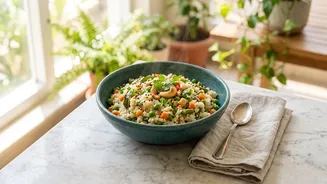
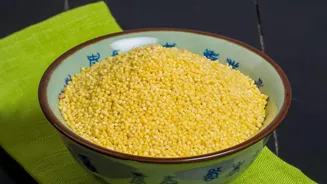
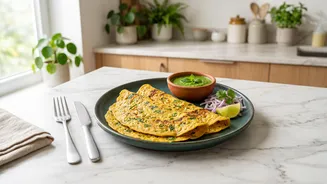
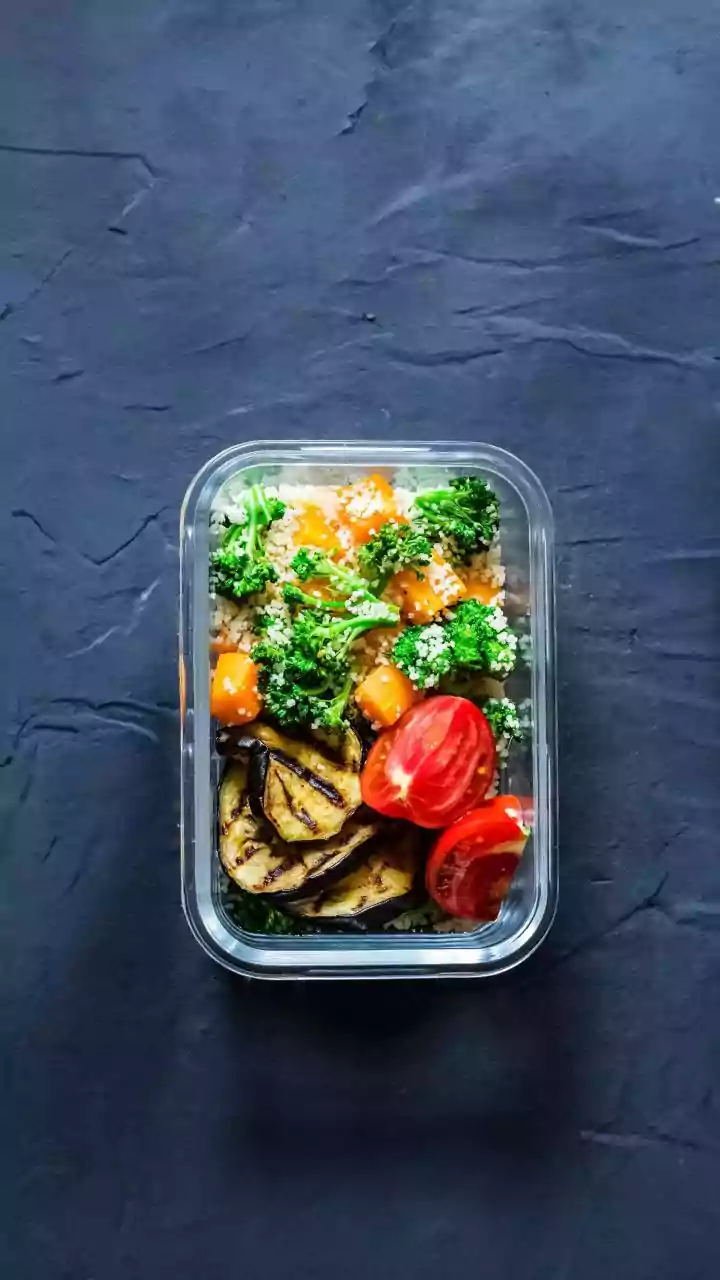
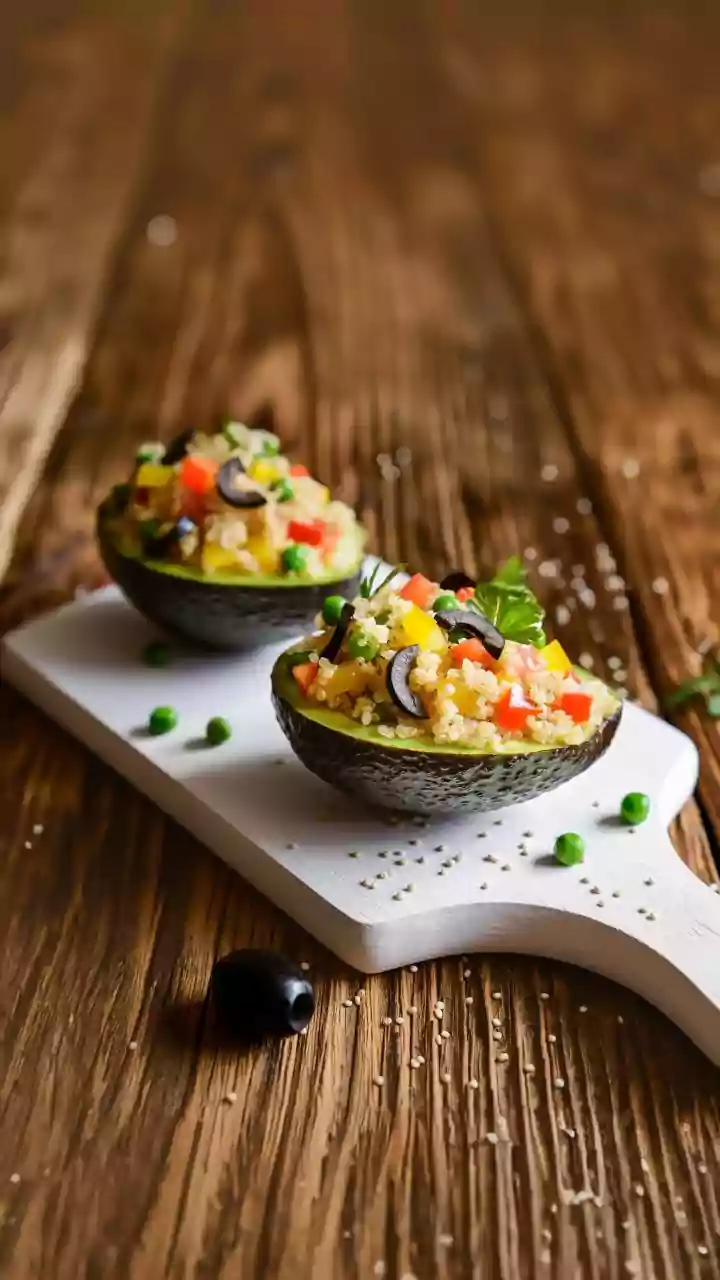
The modern Indian pantry is becoming more global. Grains like quinoa, once unfamiliar, are now seamlessly integrated into classic dishes. Instead of suji or rice, many are making upma with protein-rich quinoa. Recipes for quinoa pulao, lemon quinoa, and even curd quinoa are now common, offering a complete protein with all nine essential amino acids. Oats are another versatile import, moving beyond breakfast porridge into savoury dishes like oat chilla and even being added to roti atta for a fibre and protein enhancement. These grains are valued not just for their nutritional benefits but also for their quick cooking times.
The Rise of Seeds and Soy
Seeds are no longer just a garnish. Nutrient-dense options like chia, flax, and pumpkin seeds are being actively incorporated into meals. A spoonful of chia seeds can be stirred into curd, kneaded into roti dough, or sprinkled over poha, adding protein and fibre with minimal effort. Soya products have also found a firm footing. Soya chunks, or Nutrela, are recognised as one of the most potent sources of vegetarian protein, containing around 52g of protein per 100g. Cooks are using them to create high-protein versions of keema and curries. Tofu, made from soy milk, is also gaining popularity as a versatile alternative to paneer in bhurjis and stir-fries.
Putting It All Together
The beauty of this culinary evolution is its practicality. Combining different plant foods is key. The classic Indian pairing of dal with rice or roti creates a complete protein profile, providing all essential amino acids. The modern approach expands on this, encouraging meals like a quinoa pulao served with a side of lentil soup, or a millet roti used to scoop up a soya chunk curry. Even snacks are getting a protein upgrade, with roasted chana, sprouts chaat, and sattu-based drinks becoming popular choices for a quick and filling energy boost between meals. This fusion of traditional wisdom and new ingredients is making the Indian vegetarian diet more robust and exciting than ever before.