





Vet Your Destination and Route
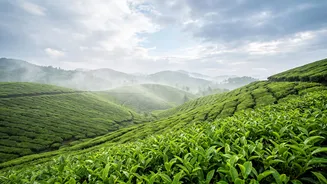
Not all destinations are created equal during the monsoon. While places like Lonavala, Coorg, and Munnar come alive, they are also in hilly regions susceptible to landslides. Before booking, research your chosen spot's monsoon safety record. Check if
the area is prone to severe waterlogging, road closures, or landslides. It's crucial to monitor weather forecasts and local advisories not just for your destination but also for the route you plan to take. Sometimes, the journey is more treacherous than the destination itself. Having a backup plan or a flexible itinerary can save you from getting stranded.
Prioritise Vehicle Preparedness
If you're planning a road trip, your vehicle's condition is paramount. Before you start, ensure your tyres have adequate tread, your brakes are responsive, and your windshield wipers are in perfect working order. Headlights and fog lights are also critical for the poor visibility common in heavy rain. It's wise to avoid driving through waterlogged streets, as the depth can be deceptive and cause your engine to stall. Keeping your fuel tank full is another pro tip; it prevents you from getting stranded and stops moisture from accumulating in the tank. For two-wheeler riders, maintaining high RPMs in a low gear can prevent water from entering the exhaust on flooded patches.
Pack Smart, Not Just Light
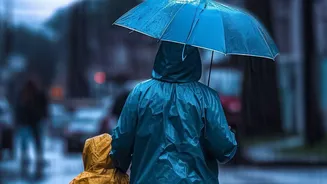
Monsoon packing is a science. Leave the cotton and denim behind; they absorb water and take ages to dry. Instead, opt for lightweight, synthetic fabrics that dry quickly. A sturdy, windproof umbrella and a reliable raincoat or poncho are non-negotiable. Your footwear choice is equally important. Choose waterproof sandals or floaters with good grip to navigate slippery surfaces. It's also a good idea to pack extra pairs of socks and a quick-drying towel. Tossing a clothesline into your bag can be a lifesaver for drying damp clothes inside your hotel room.
Safeguard Your Electronics and Documents
One sudden downpour can be fatal for your phone, camera, and important documents. Double-layering your protection is a smart move. Use waterproof pouches or heavy-duty ziplock bags for all your gadgets and papers like tickets and IDs. It's also wise to carry a fully charged power bank, as power cuts can be frequent during storms. For added protection against humidity, which can damage electronics over time, consider packing a few silica gel packets in your bags. Downloading maps and booking details for offline access ensures you have critical information even if the mobile network fails.
Don't Neglect Health and Hygiene
The monsoon is a peak season for waterborne diseases and infections. Be extremely cautious about what you eat and drink. Avoid street food, especially raw items like pre-cut fruits and salads, as they can be exposed to contaminants. Stick to bottled or boiled water and eat freshly prepared, hot meals from clean establishments. Mosquitoes are also a major concern, carrying diseases like dengue and malaria. Always carry and use a good insect repellent, and consider wearing full-sleeved clothing in the evenings. A basic first-aid kit with medication for common ailments like fever, upset stomach, and allergies is a must-have.
Build Flexibility Into Your Itinerary
The biggest mistake travellers make is packing their schedule too tightly. Monsoon weather is unpredictable; heavy rain can cause sudden delays, cancellations, or road closures. Instead of a rigid plan, build buffer days into your trip or have alternative indoor activities in mind. This could mean visiting a local museum, trying a cooking class, or simply enjoying a cup of tea at a café while you wait for the rain to subside. Being flexible allows you to adapt to the weather instead of fighting it, ensuring your trip remains relaxing and enjoyable.