



From Gentle Streams to Raging Torrents
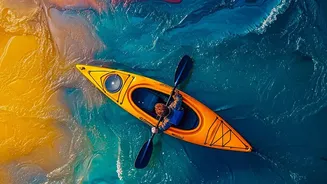
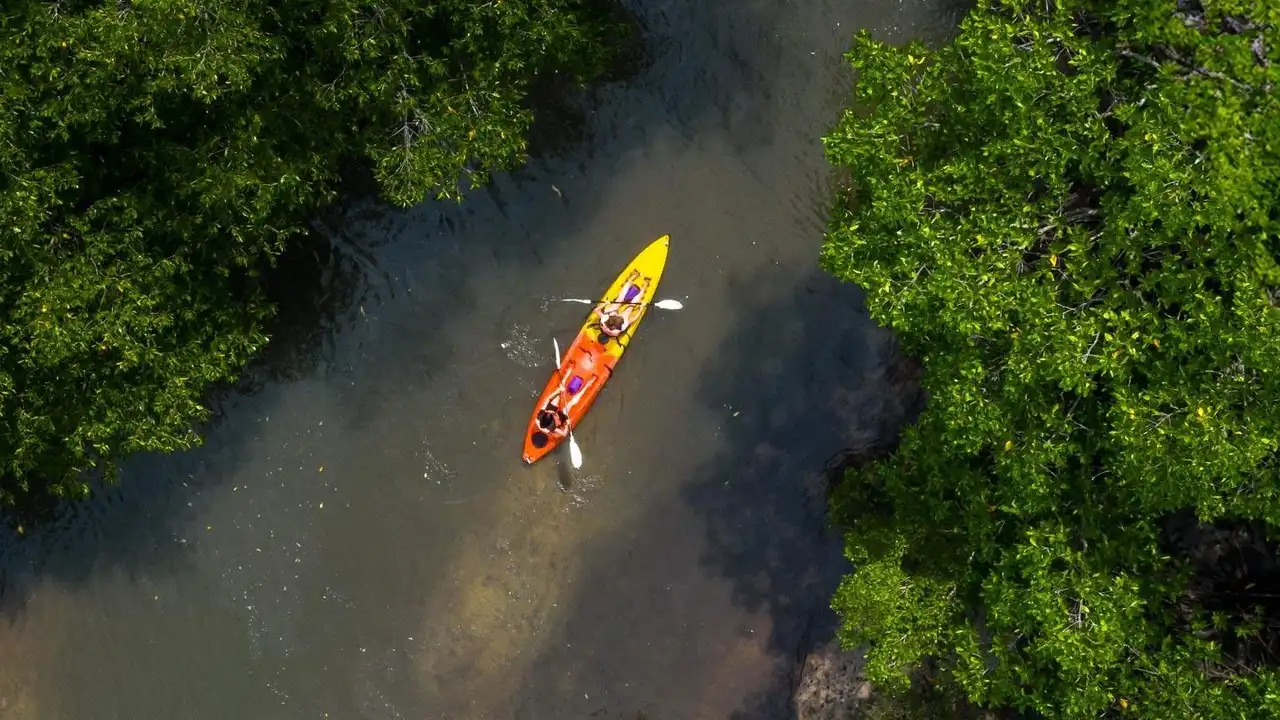
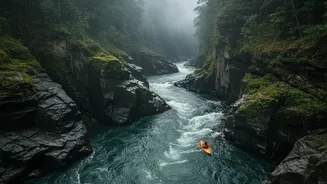
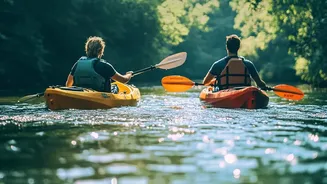
In the dry season, rivers like the Umngot in Dawki are serene, allowing for peaceful kayaking and boating on transparent waters. However, with the onset of the monsoon, the region, home to some of the wettest places on Earth, experiences intense and sustained
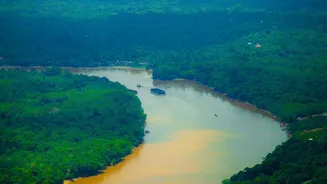
rainfall. This incredible volume of water turns gentle streams into raging, muddy torrents. The surge can be astonishingly fast, with water levels rising several feet in mere hours, creating powerful currents that can easily overpower even strong swimmers and experienced paddlers. Recent flash floods in the state have demonstrated this destructive power, turning roads into fast-flowing rivers and inundating homes overnight.
The Hidden Perils of Monsoon Waters
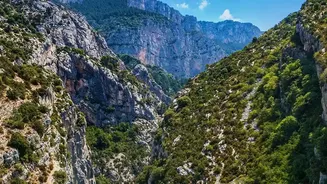
The danger isn't just the force of the water but what lies within it. The fast-flowing currents carry submerged debris like logs, branches, and large rocks, which become invisible hazards. The once-clear water turns opaque with silt and mud, completely obscuring these dangers. Furthermore, the topography of Meghalaya's gorges and canyons means that flash floods are a constant threat. A sudden cloudburst upstream can send a wall of water downstream with little to no warning, trapping anyone in its path. Authorities frequently issue advisories cautioning tourists about these unpredictable surges and strong undercurrents, which have tragically led to drownings in the past.
Why Local Expertise is Non-Negotiable
This is where expert navigation becomes critical. A seasoned local guide possesses an intimate understanding of the river that cannot be learned from a map or GPS. They can read the subtle signs of changing water levels, identify the safest channels, and anticipate hazards based on weather patterns and river behaviour. This skill, often called 'terrain association', involves matching the physical surroundings to a deep mental map of the river's personality in different conditions. These guides are trained to manage crises, execute swift-water rescues, and make split-second decisions that are vital for safety. Their experience is the single most important piece of safety equipment you can have. Authorities in Meghalaya often recommend hiring certified local guides who are trained to assess and navigate these specific risks.
The Essential Heavy-Duty Safety Gear
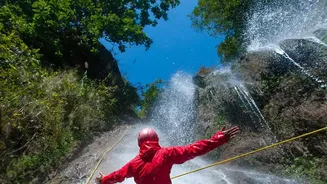
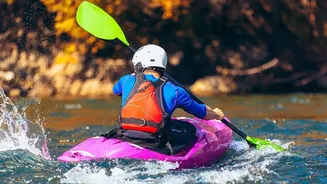
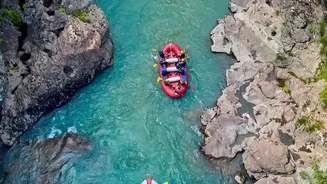
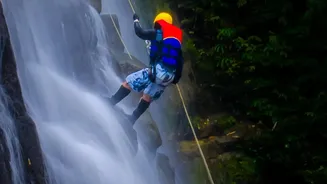
Standard recreational gear is simply not enough for Meghalaya's monsoon rivers. Heavy-duty equipment is required to withstand the immense forces at play. This starts with a high-quality, properly fitted Personal Flotation Device (PFD), or life jacket, designed for whitewater conditions, providing more buoyancy than standard versions. A sturdy helmet is crucial to protect against impacts with rocks or debris. Adventure sports like canyoning or rafting require specialised equipment such as reinforced rafts, kayaks built for whitewater, throw bags (ropes for rescue), river knives, and wetsuits or drysuits to offer thermal protection in the cold, rain-fed water. Participants must wear sturdy, non-slip footwear to navigate slippery rocks along the riverbanks. This isn't just about having the gear; it's about having the right gear, maintained and provided by a reputable operator.
Vetting Your Guide and Adventure Operator
Given the high stakes, choosing the right adventure tour operator is paramount. Responsible companies prioritise safety above all else. They will have experienced, certified guides and provide all necessary high-quality safety equipment. Before booking, ask about their safety protocols, guide-to-client ratios, and contingency plans for emergencies. Check for their registration and adherence to national safety standards. A professional operator will provide a thorough safety briefing before any activity and will not hesitate to cancel a trip if conditions are deemed unsafe. While activities like river canyoning, rafting, and kayaking offer immense thrills, they are recommended during the safer post-monsoon months (typically November to February) for a reason. Attempting them in the peak monsoon is a risk even many professionals avoid.