





Understanding Your Body's Clock
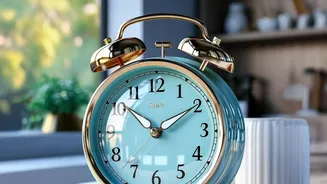
At the core of our sleep-wake cycle is the circadian rhythm, a 24-hour internal clock that tells our bodies when to be alert and when to rest. Light is the most powerful signal that regulates this clock. Historically, this was simple: sunlight meant daytime
and wakefulness, while darkness meant night and sleep. In the modern world, however, artificial light has complicated things significantly. For night shift workers, this creates a major challenge. Your schedule requires you to be awake at night and sleep during the day, directly opposing your natural biological programming. Exposure to bright light in the hours after sunset can confuse your internal clock, making it even harder to wind down and achieve deep, restorative sleep when you finally get home.
The Problem with Blue Light
Not all light is created equal. The key culprit in sleep disruption is blue light, a short-wavelength, high-energy light that is particularly effective at telling your brain it's daytime. This type of light is emitted by the sun, but also by many modern sources like energy-efficient LED and fluorescent bulbs, as well as the screens of our televisions, computers, and smartphones. When your eyes detect blue light, it sends a strong signal to your brain to suppress the production of melatonin, the hormone responsible for making you feel sleepy. For a night shift worker, exposure to bright, blue-rich light at home after sunset but before your shift ends is like telling your body to wake up just as you should be preparing to wind down for sleep. This hormonal suppression can delay sleepiness and reduce the quality of the sleep you do get.
Create an Indoor Sunset
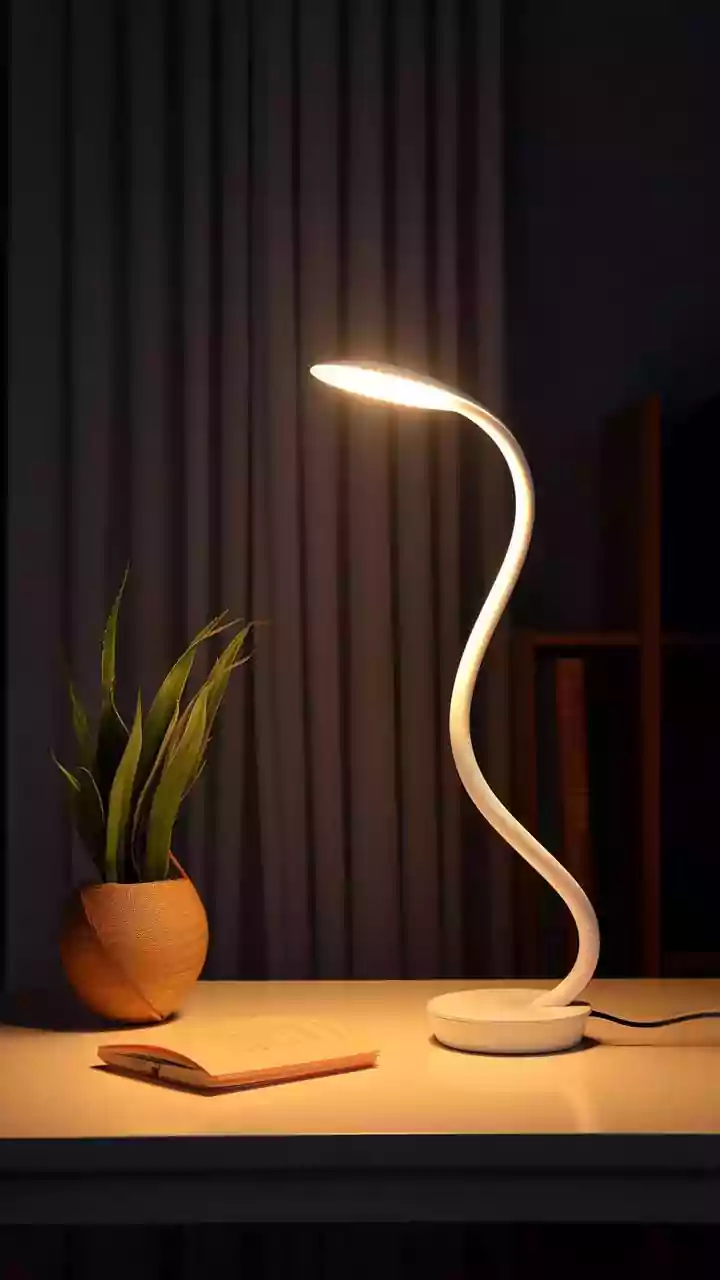
To counter this, the goal is to mimic the natural transition from day to night within your home. In the hours between sunset and when you plan to sleep, consciously reduce your light exposure. Swap out bright, cool-toned overhead lights for dimmer, warmer alternatives. Think table lamps instead of ceiling fixtures. Using light bulbs that emit a warm, amber, or even red hue can be particularly effective, as these longer wavelengths have a minimal effect on your circadian rhythm and melatonin production. This strategy essentially tells your body that the day is ending, allowing it to begin the natural process of preparing for sleep, even though you still have hours of your 'day' to go before bed.
Manage Your Screen Time
Digital devices are a major source of sleep-disrupting blue light, especially because we hold them so close to our faces. Scrolling through your phone or watching TV after your shift might feel relaxing, but the light from the screen is actively working against your sleep goals. In the one to two hours before you intend to sleep, it's best to avoid screens altogether. If that isn't practical, use your device's built-in 'night mode' or 'eye comfort shield' to shift the screen to warmer tones. There are also apps that can filter out blue light. For an even stronger defence, consider investing in a pair of blue-light-blocking glasses to wear in the evening, which studies have shown can help preserve your body's natural melatonin production.
Optimise Your Final Hour
The journey home from a night shift is another critical period for light management. Morning sunlight is a powerful stimulant that can instantly signal your brain to be awake, making it much harder to fall asleep once you get home. To protect your pre-sleep state, wear dark sunglasses on your commute. Once home, transition immediately into a wind-down routine in a dimly lit environment. A warm shower or reading under a dim, warm lamp can be effective rituals to signal that it's time for bed. The key is to avoid any exposure to bright light, which can undo all your efforts to prepare your body for rest.
Make Your Bedroom a Cave
Finally, your sleep environment must be a sanctuary from light. Since you'll be sleeping during the day, this requires extra effort. Invest in high-quality blackout curtains or shades to block all sunlight from entering your bedroom. Ensure there are no stray lights from electronics; cover or unplug any device with an indicator light. An eye mask can also be a valuable tool to ensure complete darkness. The goal is to create a space that is cool, quiet, and completely dark to give your body the best possible chance of getting the deep, uninterrupted sleep it needs to function well.