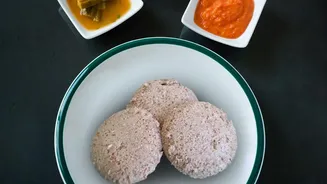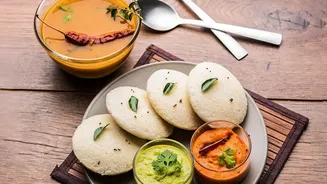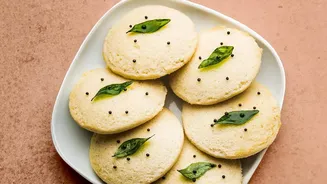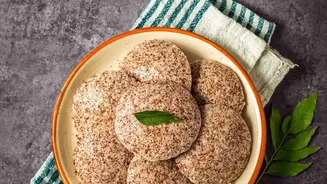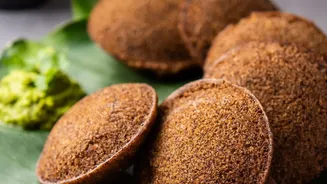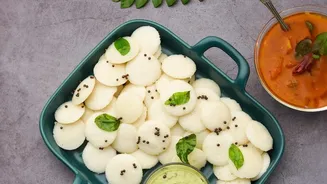

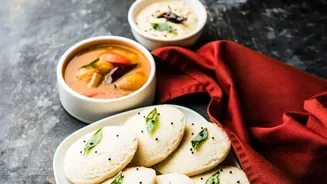
Idli is a beloved breakfast across India, but what if you could make it even healthier? Enter foxtail millet idli, a nutritious and delicious alternative that packs a powerful punch for a morning meal. Here’s what you need to know.
What Is Foxtail Millet?
Foxtail millet is an
ancient grain that has been cultivated in India for thousands of years, even dating back to the Indus Valley Civilisation. Known as 'thinai' in Tamil, 'kangni' in Hindi, and 'korralu' in Telugu, this tiny, yellowish grain is making a major comeback. It has a mild, slightly nutty flavour that makes it an easy and versatile substitute for rice in many traditional dishes. As a gluten-free grain, it's suitable for those with gluten sensitivities. Its renewed popularity is thanks to a growing awareness of its impressive health benefits and its ability to thrive in dry climates with minimal water, making it an eco-friendly crop.
The Nutritional Advantage
Swapping rice for foxtail millet significantly boosts the nutritional value of your idlis. It is rich in dietary fibre, which aids digestion and promotes a feeling of fullness, helping with weight management. Compared to white rice, foxtail millet has a much lower glycemic index, meaning it releases sugar into the bloodstream more slowly. This makes it an excellent choice for managing blood sugar levels. Furthermore, it is a powerhouse of essential minerals like iron, calcium, and magnesium, which are crucial for preventing anaemia, supporting bone health, and maintaining normal heart function. With nearly double the protein of white rice, it helps in muscle repair and provides sustained energy, keeping you active throughout the day.
Getting the Batter Right
Making foxtail millet idli batter is similar to the traditional process but with a few key differences. A common ratio is 4 parts millet to 1 part urad dal. Some recipes also use a small amount of idli rice or poha (beaten rice) for a softer texture. It is crucial to soak the millet and the urad dal (with a teaspoon of fenugreek seeds) in separate bowls for at least 4-5 hours. This is because they need to be ground differently. Grind the urad dal first to a light, fluffy paste, adding water gradually. Then, grind the soaked millet. A common mistake is grinding the millet too smooth; it should have a slightly coarse, semolina-like texture to prevent the idlis from becoming dense. Finally, combine both batters, add salt, and mix well.
The Secret to Fermentation
Proper fermentation is what gives idlis their signature soft and airy texture. After mixing the batter, place it in a large container with enough room to rise and leave it in a warm spot for 6-8 hours, or overnight. The batter should visibly increase in volume and have a pleasant, slightly sour smell. Unlike rice batter, millet batter might not double in size, but as long as it has risen and smells fermented, it is ready. If you live in a colder climate, you can place the batter inside a turned-off oven with the light on to create a warm environment. Be careful not to overferment, as this can make the batter too sour and thin.
Tips for Soft, Fluffy Idlis
Once your batter is fermented, it's time to steam. First, gently stir the batter, but do not beat it aggressively, as this will deflate the air bubbles. Grease the idli moulds with a little oil. Pour the batter into the moulds, filling them about three quarters full. Steam on a medium high flame for 10–15 minutes. A key tip is to avoid opening the steamer lid while the idlis are cooking, as the drop in temperature can make them collapse. Once cooked, let the idli stand rest for a few minutes before de–moulding. Millet idlis can be more fragile than rice idlis when hot so this cooling period helps them firm up and come out cleanly. Serve hot with your favourite sambar and chutney.