


The Post-Monsoon Advantage
Experienced travellers know that the best time to visit a popular destination is often just outside its busiest period. For Kerala, that sweet spot is the end of the monsoon. The landscape, freshly washed by the rains, is at its most vibrant. The weather
sheds its heavy humidity for bright, comfortable days, while the tourist crowds of winter are yet to arrive. This translates to a more peaceful experience and, crucially, better value for money. Accommodation and travel costs are often lower than during the peak months of December to February, making it an ideal time for a budget-conscious escape without compromising on beauty.
Bekal: History by the Sea
In the northern district of Kasaragod, Bekal offers a tranquil alternative to Kerala’s more frequented southern beaches. Its main attraction is the magnificent Bekal Fort, the largest in Kerala, whose keyhole-shaped structure juts dramatically into the Arabian Sea. The post-monsoon period is perfect for exploring its ramparts, which offer stunning panoramic views of the coastline. Unlike more commercialised spots, Bekal’s beaches, such as the nearby Kappil Beach, are known for being pristine, quiet, and exceptionally clean, offering a serene environment for relaxation.
Eco-Stays and Activities in Bekal
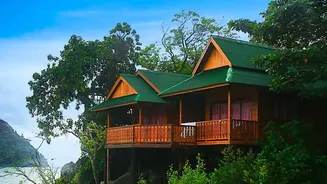
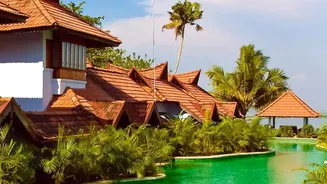
Bekal has a growing reputation for luxury and eco-conscious hospitality. Resorts in the area often blend traditional Keralan architecture with sustainable practices. While high-end options like the Taj Bekal Resort & Spa offer lavish experiences, more grounded and affordable homestays and smaller resorts are also available. Look for properties that emphasise local materials and experiences. Beyond the fort, you can enjoy the tranquil Valiyaparamba backwaters on a houseboat cruise or visit the unique Ananthapura Lake Temple, which sits in the middle of a lake.
Varkala: Cliffs and Bohemian Charm
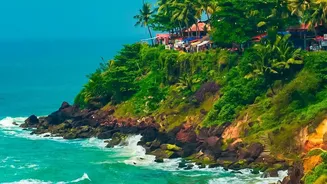
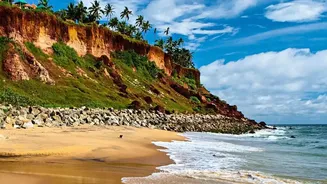
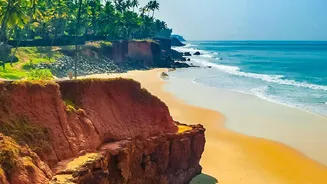
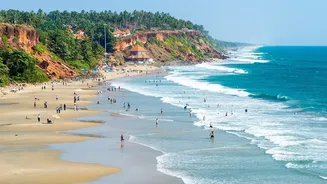
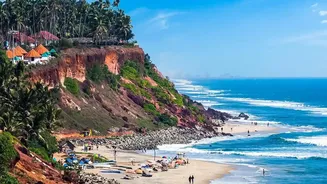
Further south, Varkala presents a completely different coastal experience. It is the only place in southern Kerala where cliffs are found adjacent to the Arabian Sea, creating a dramatic and unique landscape. A long, winding cliff path is lined with an eclectic mix of cafes, yoga studios, Ayurvedic centres, and shops, giving the town a laid-back, bohemian vibe. Papanasam Beach, at the bottom of the cliffs, is not only beautiful but also holds spiritual significance for many Hindus. The monsoon’s end means the cliff-top businesses are fully open, but the atmosphere remains relaxed.
Affordable Wellness in Varkala
Varkala has long been a haven for backpackers and wellness seekers, which means it has a wide range of affordable accommodation. Options like The Eco resort and Nature's Frame Residency offer comfortable stays with an eco-friendly focus without a hefty price tag. The monsoon season is traditionally considered the best time for Ayurvedic treatments, as the moist, cool air is thought to help the body respond better to therapies. Visiting at the tail end of this season allows you to take advantage of this wisdom, often at a lower cost than in the peak winter months. Many centres along the cliff offer drop-in yoga classes and full wellness packages.
What to Do in Varkala
The main activity in Varkala is simply soaking in the view from a cliff-top cafe. However, there are plenty of other things to explore. A visit to the ancient Janardanaswamy Temple, a 2,000-year-old shrine to Lord Vishnu, offers a dose of culture and history. For a change of scenery, take a short trip to Kappil Beach, where the backwaters meet the sea, or explore the nearby Edava lakes and fishing villages. As the sea calms after the monsoon, it becomes a great spot for beginner surfers.