



The Details of the Price Hike
Tata Motors announced that prices for its passenger vehicles, including both internal combustion engine (ICE) and electric vehicle (EV) models, will rise by up to ₹25,000 starting September 1, 2026. This move is part of a broader industry trend, with
competitors like Hyundai and Maruti Suzuki also announcing price revisions around the same time. The company has cited the need to partially offset the impact of rising input and commodity costs, as well as sustained inflationary pressures, as the primary reason for the increase. This isn't the first time Tata has adjusted prices this year; it marks the third such hike in 2026, following earlier increases in April and July.
Which Models Will Be Affected?
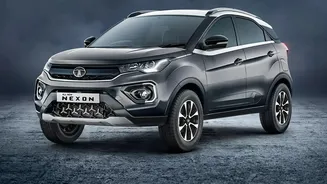
The price increase will be implemented across Tata's entire portfolio. This includes popular models like the Nexon, Punch, Harrier, Safari, Altroz, Tiago, and Tigor, along with their respective EV versions where applicable. However, the company has clarified that the quantum of the hike will vary depending on the specific model and variant. This means that while the headline figure is 'up to ₹25,000', the actual increase on a base model Tiago will likely be less than that on a top-end Safari. The exact variant-wise price list will be revealed closer to the effective date, but buyers can expect every car in the lineup to become more expensive.
The Case for Buying Before September
The most compelling reason to buy now is simple: cost savings. By finalizing your purchase and getting the vehicle invoiced before the end of August, you can lock in the current, lower price. This directly protects you from the announced hike of up to ₹25,000. For many buyers, this is a significant saving that can be put towards accessories, insurance, or simply kept in the bank. Furthermore, dealers are often keen to meet month-end sales targets, which can sometimes lead to better negotiations on available stock. If the car you want is readily available and you have your finances in order, acting quickly is the most straightforward way to avoid paying more for the exact same product.
The Argument for Waiting
Rushing a major financial decision is rarely a good idea. A price hike can create a false sense of urgency, potentially leading you to compromise on your preferred model, variant, or colour just to close the deal in time. Waiting allows you to conduct thorough test drives, compare financing options without pressure, and ensure you are buying the right car for your needs. There's also the factor of model year and potential updates. While not always the case, waiting a few months might put you in line for a vehicle with a newer manufacturing date, which can have a minor positive impact on its resale value down the line. Finally, automakers occasionally introduce new features or special editions, and waiting ensures you don't miss out on an imminent update that you might value more than the price saving.
Your Decision Checklist
To make the right choice, consider these key factors. First, assess your budget. Is the potential saving of up to ₹25,000 a critical factor for you? If so, buying now is a strong contender. Second, check on vehicle availability. If your desired car has a long waiting period, booking now might not guarantee price protection, so clarify the dealer's policy on this. Third, evaluate your urgency. Do you need a new car immediately, or can you afford to wait a few months? If you are not in a hurry, the pressure to buy before September diminishes. Finally, look at existing offers. Are there any August-specific discounts or promotions that might be withdrawn next month? Weighing these against the impending price hike will give you a clearer picture.