


Makhan Mishri
No Janmashtami offering is complete without Makhan Mishri, believed to be Lord Krishna's absolute favourite. This recipe's beauty lies in its simplicity, representing purity and sweetness. It consists of just two main ingredients: freshly churned, unsalted
white butter (makhan) and rock sugar (mishri). The process involves gently folding the sugar crystals into the soft butter. Some preparations involve churning fresh cream or malai to make the butter from scratch, a process that connects devotees to the timeless stories of Krishna's childhood. A few Tulsi leaves are often added before it is offered, making it a divine and heartfelt tribute.
Dhaniya Panjiri
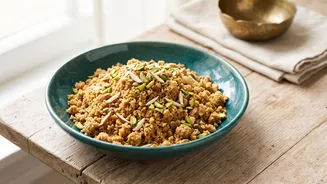
Dhaniya Panjiri is a unique and essential prasad for Janmashtami, especially in North India. Unlike the whole wheat version, this one is made with ground coriander seed powder, which makes it suitable for those observing a fast that excludes grains. This special panjiri is prepared by roasting coriander powder in ghee until it becomes aromatic. The roasted powder is then mixed with powdered sugar, a generous amount of chopped nuts like almonds and cashews, and sometimes grated coconut. Beyond its spiritual significance as one of Krishna's preferred foods, dhaniya panjiri is also valued for its digestive properties, which are beneficial after a day of fasting.
Panchamrit or Charanamrit
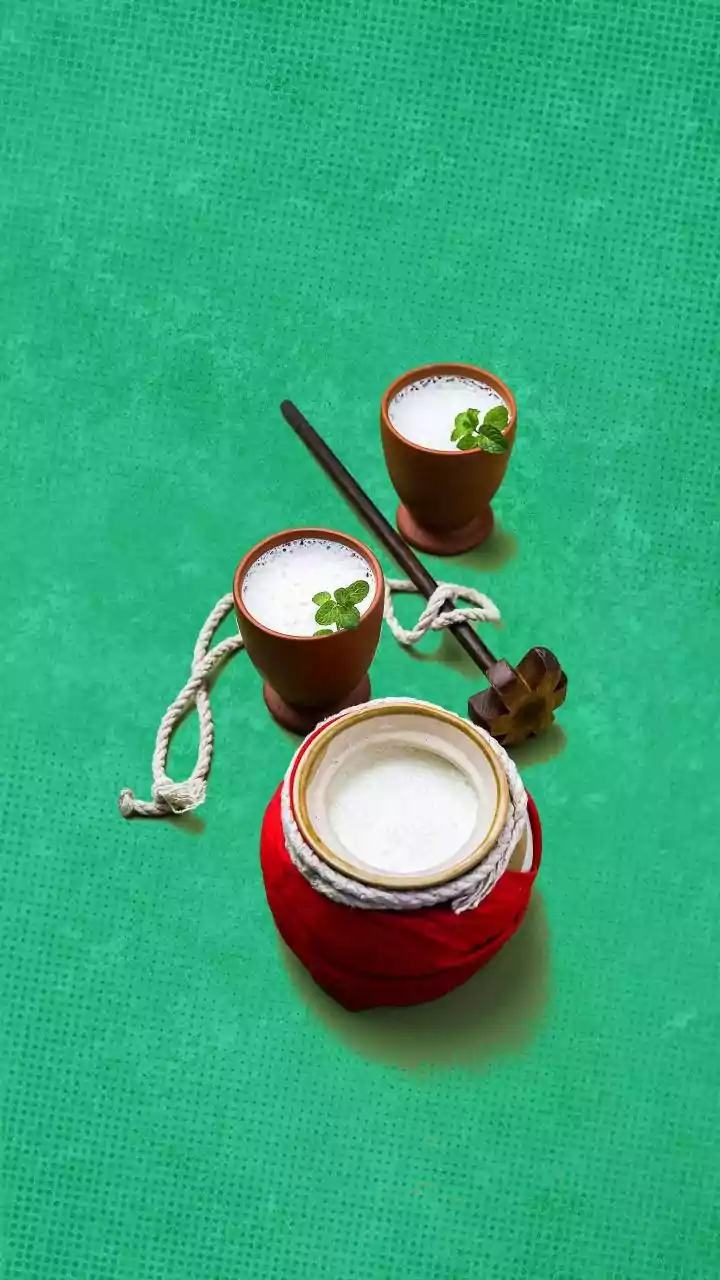
Panchamrit, which translates to 'five nectars', is a sacred concoction used in Hindu rituals, and it is a vital part of the Janmashtami puja. It is made by blending five pure ingredients: raw milk, curd (yogurt), honey, ghee, and sugar. This mixture is considered holy and is first used to perform 'abhishek' (ritual bathing) of the deity's idol before being distributed to devotees as charnamrit, or 'nectar from the lord's feet'. The preparation is simple: all five ingredients are gently mixed in a clean bowl. A few Tulsi leaves are often added, believed to sanctify the offering further. This nourishing drink symbolises purity, devotion, and divine blessings.
Makhana Kheer
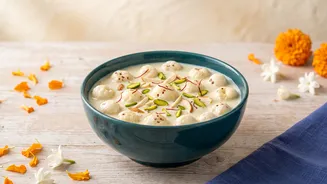
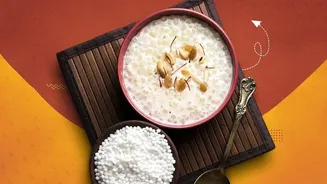
A creamy and delightful dessert, Makhana Kheer is a perfect offering as it is both a festive treat and a permissible food for those who are fasting. Made from makhana (fox nuts or puffed lotus seeds), it is a lighter alternative to traditional rice-based kheer. The preparation involves dry-roasting the makhana in a little ghee until they become crisp. These roasted nuts are then added to simmering full-fat milk and cooked until they soften and the milk thickens. Sweetened with sugar and flavoured with cardamom powder and saffron, this kheer is often garnished with chopped almonds and pistachios, making it a rich and satisfying bhog item.
Gopalkala
Gopalkala, also known as Dahi Poha, is a savoury Maharashtrian dish that carries a wonderful story. Legend says that as a child, Lord Krishna would mix the lunch boxes of his friends with his own, creating a simple, shared meal. This recipe reflects that playful spirit. It's a no-cook dish made by mixing softened poha (beaten rice) with yogurt, chopped cucumber, grated coconut, and sometimes pomegranate seeds and peanuts. The mixture is seasoned with salt, green chillies, and ginger, and often finished with a tempering of ghee and cumin seeds. It is famously associated with the Dahi Handi celebrations that are a major part of Janmashtami.
Sabudana Tikki
For those looking for a savoury and crispy snack that is also appropriate for fasting, Sabudana Tikki is an excellent choice. These patties, also known as sabudana cutlets, are made from tapioca pearls (sabudana) that have been soaked until soft. The soaked sabudana is mixed with boiled and mashed potatoes, which act as a binder, along with roasted peanuts for crunch, and seasonings like green chillies, ginger, and rock salt (sendha namak). The mixture is shaped into small, round patties and then shallow-fried or pan-fried until golden brown and crisp on the outside. They are wonderfully filling and a popular snack during festival fasts.