


The Rise of the 15-Second Story
Platforms like TikTok, Instagram Reels, and YouTube Shorts have fundamentally altered the media landscape. With billions of users logging in monthly to consume a firehose of bite-sized content, the digital world now moves at a breakneck pace. These platforms
are engineered for rapid sampling; the algorithm learns your preferences and delivers an endless, personalized stream of content designed to be consumed in seconds, not minutes. This has trained our brains to expect instant gratification. If a video doesn't deliver a hook within the first few seconds, we instinctively swipe to the next. This constant stimulation triggers dopamine releases in the brain, creating a feedback loop that can make it difficult to disengage, a feeling some have dubbed 'brain rot'.
Are Our Attention Spans Really Shrinking?
The idea that our attention spans are now shorter than a goldfish's has been widely debunked, but that doesn't mean nothing has changed. Research does show a correlation between heavy use of short-form media and a reduced ability to concentrate on longer tasks. Many people self-report feeling like their attention span is shorter, and a significant portion believe it's worse in younger generations. The issue may not be a diminished capacity for focus, but a change in how we allocate it. Our attention has become more fractured and selective. We've developed a habit of 'second-screening'—scrolling through our phones while watching TV—which splinters focus and makes slower-paced narratives feel tedious. This has led to concerns that audiences, particularly younger ones, are being retrained to find traditional, slower-paced films 'boring'.
The Impact on the Big Screen
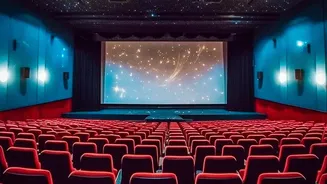
This shift in viewing habits has tangible consequences for the film industry. Anecdotal evidence from video essays and audience discussions points to a growing preference for faster-paced editing in movies, with some blockbusters now featuring average shot lengths of less than three seconds to keep audiences stimulated. A recent study found the ideal movie length for audiences is now just 88 minutes, a four-minute drop from just two years prior, with Gen Z preferring films to wrap up around the 82-minute mark. This puts pressure on filmmakers to tell stories with relentless momentum, sometimes at the expense of character development and narrative depth. The pre-show experience, often laden with 20-30 minutes of ads and trailers, further tests this shrinking patience before the feature even begins.
The Counter-Argument: Long-Form Strikes Back
However, reports of the death of long-form cinema are greatly exaggerated. The box office success of lengthy, complex films like 'Oppenheimer' (3 hours) and 'Avatar: The Way of Water' (3 hours, 12 minutes) proves that audiences are still willing to commit to an extended runtime if the story is compelling. In fact, while the average film length hasn't ballooned, the top-grossing blockbusters have been getting longer, suggesting that epic scale can be a major draw. The paradox is that while we swipe away from a 30-second video that lags, we will happily sit in a dark room for three hours for a cinematic event. This suggests the problem isn't length, but quality. Audiences haven't lost the ability to focus; they've just become more selective about what earns their undivided attention. Cinema, as a dedicated, phone-free environment, offers a unique space for that deep focus.