


Beyond the Bucket List
For years, tourism in India often meant a hurried tour of iconic landmarks. But that script is changing. A significant shift is underway, with travellers prioritising immersive experiences over simple sightseeing. According to a recent Skyscanner report,
a staggering 84% of Indian travellers say their interest in culture-led domestic travel has grown. It's no longer just about seeing a place; it's about feeling it, understanding its stories, and engaging with its people. This trend sees travellers trading crowded hotspots for quiet moments of discovery, whether it’s learning a traditional craft, exploring a regional food trail, or participating in a lesser-known local festival.
What is Authentic Travel?
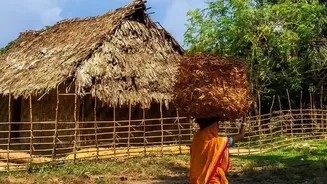
Authentic travel is about swapping the curated, often sterile, tourist bubble for real-life interactions and experiences. It means exploring the backwaters of Kerala in a traditional canoe instead of only a large houseboat, joining a block-printing workshop with artisans in a Rajasthani village, or staying in a family-run homestay in the Himalayas. These experiences offer a glimpse into the everyday life and traditions of a community. Food has become a major driver, with 43% of travellers planning trips around regional culinary experiences. This approach fosters a deeper connection with the destination and creates memories that last longer than a photograph.
The New Wave of Travellers
This transformation is largely being driven by India's younger generations. Millennials and Gen Z, armed with digital tools and a different set of values, are reshaping the tourism landscape. They are more intentional about their travel choices, often influenced by social media, which showcases hidden gems and local stories beyond mainstream attractions. This demographic prioritises memories and meaningful connections over simply ticking destinations off a list. They are also more conscious of the impact of their travel, favouring sustainable and responsible options that support local communities. This has led to a boom in travel to Tier 2 and Tier 3 towns, as one in four travellers now seeks cultural experiences beyond the major metros.
From Tourist to Community Guest
The rise of authentic travel has a powerful side effect: the economic empowerment of local communities. Community-based tourism, particularly through homestays, is becoming a vital source of livelihood, especially in rural and remote areas. This model ensures that tourism revenue flows directly to the people who are the custodians of the local culture and environment. By staying with a family in Uttarakhand or Ladakh, travellers not only get an unparalleled cultural immersion but also contribute directly to the local economy, helping to preserve heritage and promote sustainable development. Government initiatives like Swadesh Darshan and an emphasis on rural tourism have further bolstered this movement, recognising its potential for inclusive growth.
Planning for a Deeper Connection
The move toward experiential travel is also changing how trips are planned. Travellers are becoming more intentional, with many planning culture-focused trips three to six months in advance. Instead of choosing a destination and then finding things to do, they are starting with the experience they want—be it attending Durga Puja in Kolkata, learning about Kutch's weaving traditions, or exploring Mangalorean cuisine. This deliberate planning reflects a desire to fully immerse oneself in the experience. This shift signals a maturing of the Indian traveller, who now seeks not just a vacation, but a journey of discovery and connection within their own diverse country.