





First, Consider the Occasion
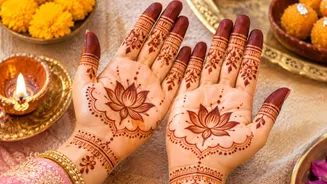
Not all events are created equal, and your jewellery should reflect that. A wedding ceremony often calls for more opulent and traditional pieces like a heavy Polki or Kundan necklace. For a pre-wedding event like a Mehendi or Sangeet, you can be more playful
with colourful gemstones, oversized hoops, or contemporary chandbalis. Festivals such as Diwali or Navratri are perfect for showcasing bold, oxidized silver pieces or vibrant enamel work. Daytime events generally suit more subtle statements, like pearl drops or sculptural silver, while evening functions are your chance to bring out the heavy-hitting sparkle.
Let Your Outfit's Neckline Lead
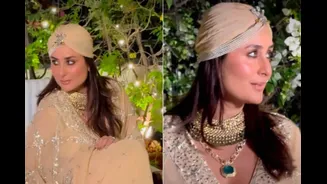
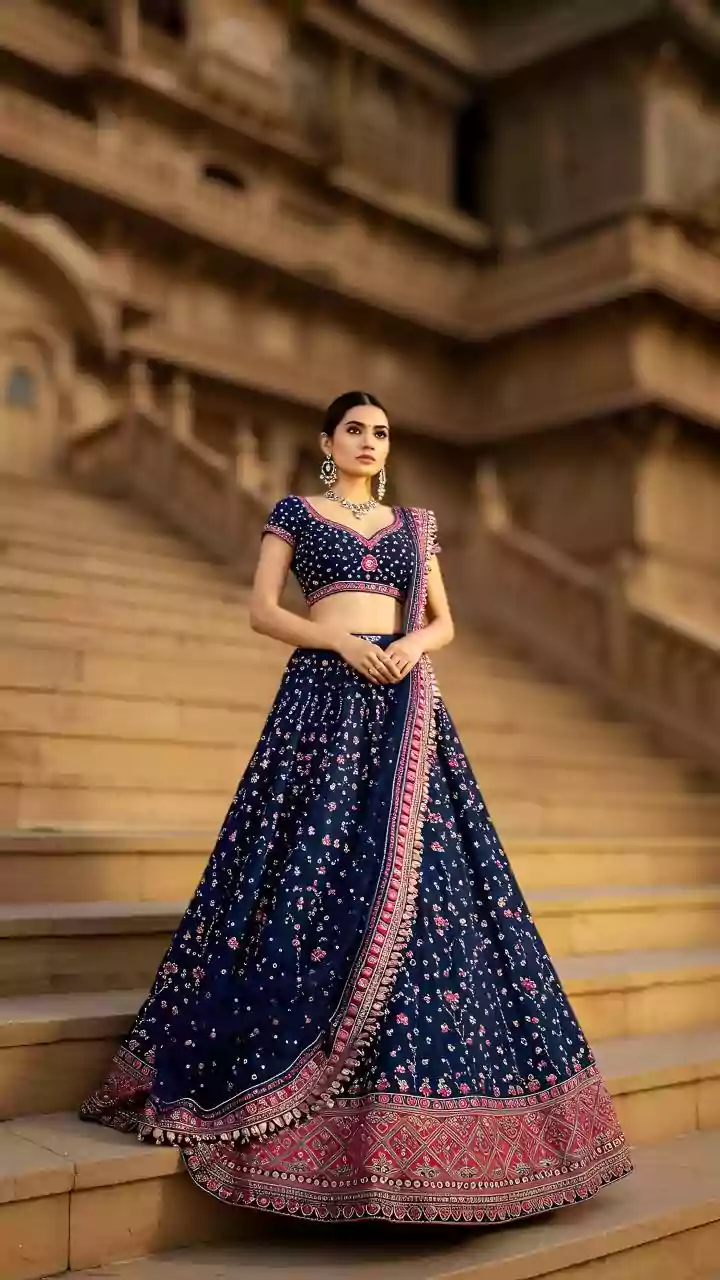
The golden rule of styling a statement necklace is to work with, not against, your outfit's neckline. For high-neck or closed-neck blouses, skip the necklace and opt for dramatic statement earrings like jhumkas or shoulder-grazing danglers. A V-neck or sweetheart neckline creates the perfect canvas for a pendant or a Y-shaped necklace that follows the line of the fabric. Scoop necks pair beautifully with shorter, voluminous necklaces that fill the space. For off-the-shoulder or strapless styles, a bold choker is a classic choice that elegantly highlights the collarbones. If your neckline is already intricate, like a halter or cowl neck, it's often best to let it be the focus and accessorise with a stunning bracelet or ring instead.
Create a Single Focal Point
The key to wearing statement jewellery successfully is to choose one 'hero' piece. Decide if you want your earrings or your necklace to be the main event, and then keep your other accessories more subdued. If you're wearing an elaborate, heavy necklace, pair it with simple stud earrings. Conversely, if you choose magnificent, oversized earrings, consider forgoing a necklace altogether or wearing a very fine, delicate chain. This principle of balance also applies to your outfit. A heavily embroidered or sequined lehenga or saree needs simpler jewellery, whereas a plain silk or chiffon outfit provides the perfect canvas for your most show-stopping pieces.
Play with Colour and Material
Statement jewellery is a fantastic way to introduce colour and texture. Traditional choices like Kundan (glass stones set in gold foil) and Polki (uncut diamonds) are timeless for weddings, with Polki being the more premium, heirloom choice. Don't be afraid to experiment with materials. Oxidized silver offers a bohemian, earthy charm that is perfect for festivals like Navratri. The current trend of 'liquid metal' and sculptural silver pieces can add a modern, artistic flair to your look. Similarly, irregularly shaped 'Baroque' pearls are a modern twist on a classic, offering sophistication for both daytime and evening events.
Embrace Your Personal Style
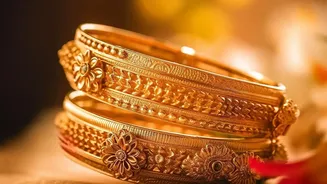
Trends are a great guideline, but the best jewellery for you is always what makes you feel most confident. If you are a minimalist at heart, a statement piece for you might be a pair of oversized but clean-lined sculptural studs, a style that is very on-trend for 2026. If you're a maximalist, embrace layering multiple chains of different lengths or stacking bangles and cuffs. The goal is to enhance your personality, not hide it. Versatile pieces like classic chandbalis, evergreen jhumkas, or a statement cocktail ring are always wise investments as they can be styled in numerous ways across different outfits and occasions.
Don't Forget Comfort
Finally, a practical consideration: comfort is crucial. Indian weddings and festivals can be long affairs with lots of movement and dancing. If a necklace feels too heavy or earrings are painfully pulling on your lobes, you won't enjoy yourself. When choosing a statement piece, do a quick wear test. Check the weight and ensure the clasps are secure. Look for pieces that are well-balanced. Many modern designs, including lighter versions of jhumkas and Kundan sets, are crafted with wearability in mind, proving you don't have to sacrifice comfort for style.