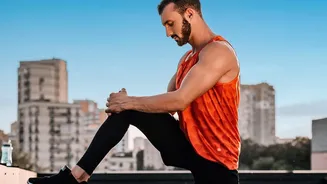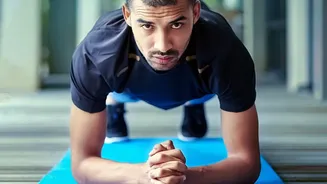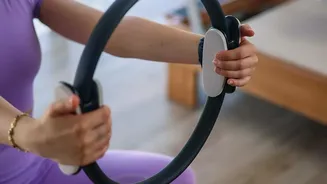







Starting a fitness journey is exciting, but the fear of aching joints can be a major hurdle. The good news is you can build strength and improve your health without punishment. Here’s how to embrace joint-friendly exercise for long-term success.
What Exactly Is ‘Joint-Friendly’ Exercise?
The secret
lies in one simple concept: low-impact movement. Unlike high-impact activities like running or jumping, where both feet leave the ground and create a jarring force upon landing, low-impact exercises keep at least one foot on the ground at all times. This creates smooth, controlled motions that reduce stress on your knees, hips, and ankles. The goal is to strengthen the muscles that support your joints, improve flexibility, and boost cardiovascular health without the strain that can lead to pain or injury. Think of it as building a stronger support system for your body, allowing for greater mobility and less discomfort over time. It’s the perfect starting point for beginners or anyone looking to exercise more sustainably.
Your Low-Impact Starter Kit
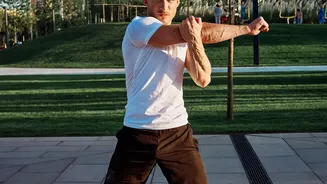
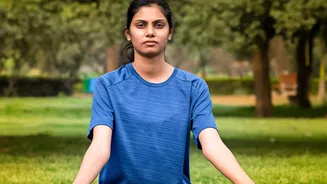
Getting started is easier than you think. Many of the most effective joint-friendly exercises require minimal or no equipment. Water-based activities like swimming or water aerobics are top-tier choices; the buoyancy of water supports your body weight, removing nearly all pressure from your joints while providing natural resistance to build strength. On dry land, walking is a powerhouse—it’s free, accessible, and highly effective. For a fantastic indoor cardio workout, stationary cycling and the elliptical machine offer fluid movements that protect your joints while getting your heart rate up. To improve flexibility, balance, and core strength, consider yoga or Tai Chi. Both disciplines use slow, controlled movements that can be easily modified to suit your comfort level, reducing strain while enhancing body awareness.
The Unsung Hero: Why Rest Is Essential
It might sound counterintuitive, but fitness gains don't happen during your workout; they happen afterward, while you rest. When you exercise, you create microscopic tears in your muscle fibers. It's during recovery that your body gets to work repairing these tears, which is how muscles grow back stronger. This vital repair process also applies to your tendons and ligaments, which are put under stress during activity. Furthermore, rest allows your body to replenish its energy stores, known as glycogen, which get depleted during exercise. Without sufficient rest, you never give your body the chance to fully heal and adapt. This can lead to a performance plateau, constant fatigue, and a much higher risk of injury, derailing your progress before you even get started.
Active vs. Passive Recovery
Not all rest days mean lying on the couch. There are two main types of recovery: passive and active. Passive recovery is exactly what it sounds like—complete rest. This includes getting 7–9 hours of quality sleep, which is when crucial muscle-repairing hormones are released, and taking full days off from training. Active recovery, on the other hand, involves low-intensity movement like a gentle walk, a relaxed swim, or light stretching. This type of activity helps increase blood flow, which delivers oxygen and nutrients to your muscles to accelerate repair and can help reduce stiffness and soreness. As a beginner, a good rule is to incorporate at least one or two full passive rest days each week. On other days, an active recovery session can help you feel better and stay mobile without adding more stress to your body.
Listen To Your Body’s Signals
Learning to recognize the signs of overtraining is one of the most important skills for a sustainable fitness journey. Your body provides clear signals when it needs a break. Persistent fatigue that doesn't improve with sleep is a major red flag. Other signs include lingering muscle soreness that lasts more than 72 hours, an elevated resting heart rate, frequent illness, or a sudden drop in motivation. You might also find that your workouts feel unusually difficult, or you experience nagging aches that won't go away. These aren't signs of weakness; they're your body's way of telling you that the stress of training is outpacing your ability to recover. Honouring these signals by taking an extra rest day isn't 'slacking off'—it's the smartest thing you can do for your longterm success.