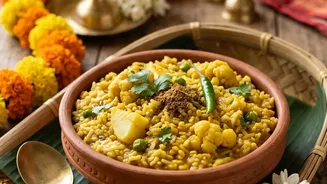


A nostalgic mention of a festive 'sweet rice' by Sonia Gandhi has sent food lovers searching for a beloved but lesser-known Kashmiri dish. The delicacy in question is likely Modur Pulav, a fragrant, saffron-infused dish rich in history.
A Political Palate Sparks Curiosity
In a recent video
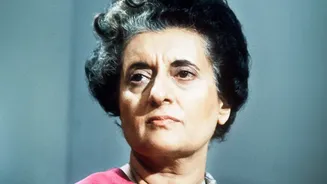
conversation with her daughter Priyanka Gandhi Vadra and granddaughter Miraya Vadra, Sonia Gandhi reminisced about Diwali celebrations at 1, Safdarjung Road, the former residence of her mother-in-law, Indira Gandhi. She recalled that festive meals always included Kashmiri food, specifically mentioning a 'sweet rice' that the family still prepares to this day. While she did not name the dish, her description immediately pointed to Modur Pulav, a traditional sweet rice preparation central to Kashmiri festive cuisine. This simple, heartfelt recollection has shone a national spotlight on the dish, connecting a political family's personal tradition to a rich culinary heritage.
What Exactly is Modur Pulav?
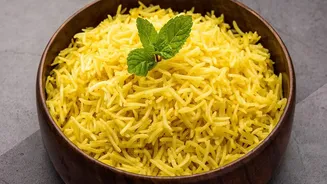
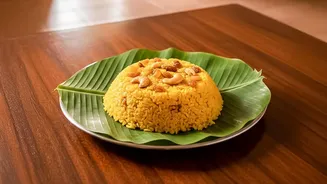
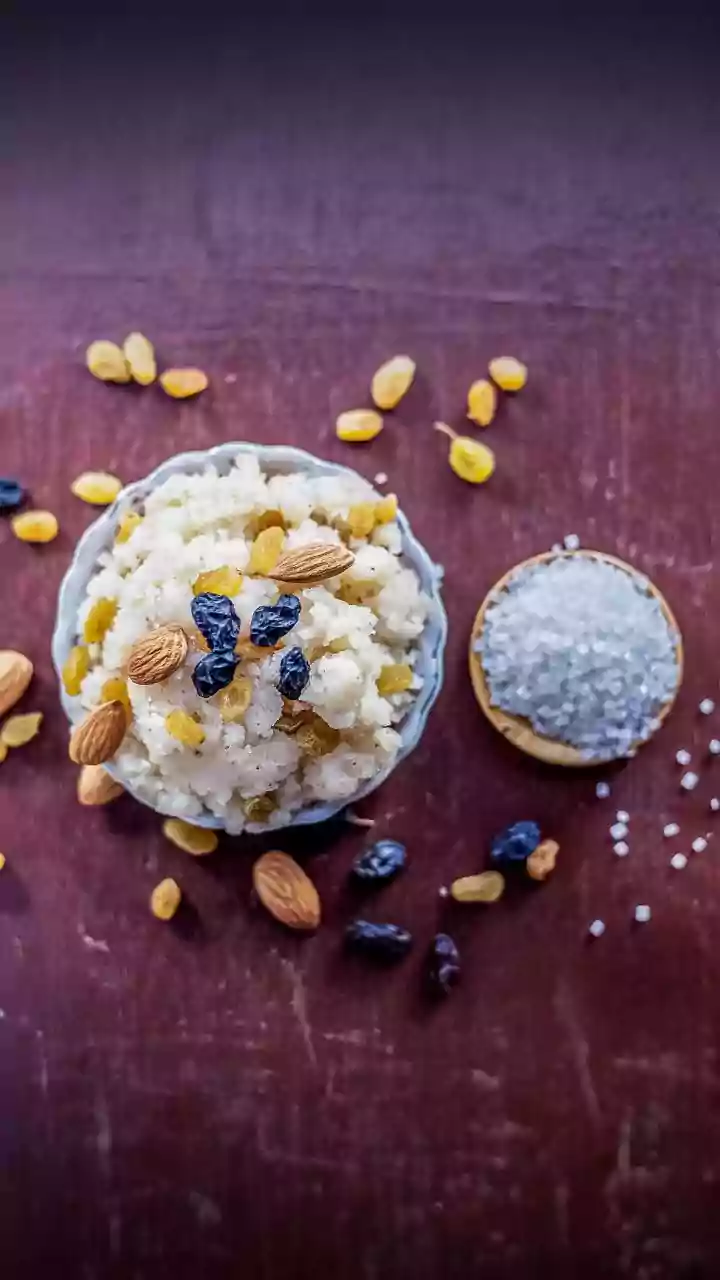
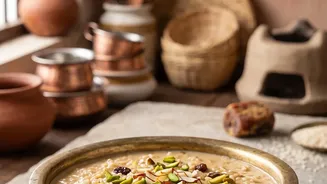
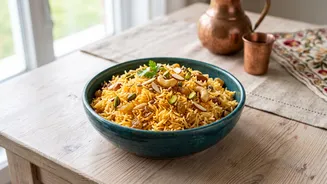
Unlike the savoury and spicy pulaos common across India, Modur Pulav is a celebration of sweetness. The name itself translates from Kashmiri, where 'Modur' means sweet and 'Pulav' means rice. It is an aromatic dish made with long-grain basmati rice, generous amounts of ghee, and sugar. Its distinctive golden-yellow hue comes from high-quality saffron, a prized spice from Kashmir. The pulao is then enriched with a lavish assortment of dry fruits and nuts, such as almonds, cashews, raisins, and sometimes dried coconut or dates, which are fried in ghee to enhance their flavour. Whole spices like cinnamon, green cardamom, and cloves add a warm, fragrant undertone without overpowering the sweetness.
A Taste of Kashmiri Tradition
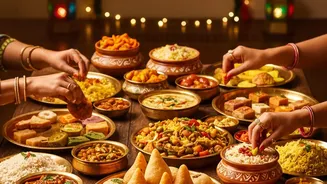
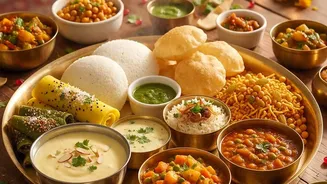
Modur Pulav is more than just a dish; it is a cultural symbol deeply embedded in Kashmiri Pandit traditions. It is prepared for special occasions, festivals like Diwali, and ceremonies, representing hospitality, abundance, and celebration. The Gandhi family's connection to this dish stems from their Kashmiri Pandit heritage through the Nehru family. Indira Gandhi's festive table often featured Kashmiri preparations, and Modur Pulav was a staple, a culinary thread connecting the family to their roots. In many Kashmiri homes, both Pandit and Muslim, this sweet rice is served as part of a larger feast, its sweetness acting as a delicious counterpoint to savoury dishes rather than being just a dessert.
The Art of Sweet Saffron Rice
The preparation of Modur Pulav is an exercise in balance. High-quality basmati rice is soaked and often par-cooked before being combined with the other ingredients. The magic begins when whole spices are tempered in hot ghee, releasing their aroma. Sugar is dissolved to create a syrup, and then the rice, fried nuts, and saffron-infused milk or water are added. The dish is then cooked on a low flame, often using the 'dum' method, where the pot is sealed to trap steam and allow the rice to absorb all the rich flavours slowly. This gentle cooking ensures the long grains remain intact and become perfectly fluffy, fragrant, and imbued with the essence of saffron, ghee, and sweet spices.
Food,
Memory,
and Identity
Sonia Gandhi's comment that the family 'still makes' the sweet rice highlights how food serves as a powerful carrier of memory and cultural identity. A recipe passed down through generations becomes a living tradition, a tangible link to one's heritage and loved ones. In a world of fast-changing lifestyles, the continued preparation of a dish like Modur Pulav is a conscious act of preserving a family's story. The recent attention on this dish is a reminder that behind every meal, there is a history, and a simple mention can unfold a beautiful story about culture, family, and the enduring comfort of a taste of home.