


Why Grow Cranberries in a Pot?
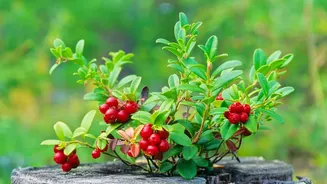
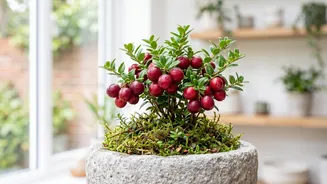
Cranberries are not just for festive sauces; they are a fascinating plant to cultivate at home. As a low-growing, creeping evergreen, their thin, wiry stems and glossy leaves provide year-round visual interest. In spring, they produce delicate pink flowers,
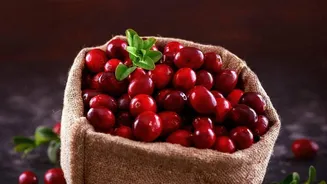
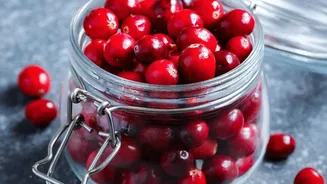
followed by the berries themselves, which transition from white to a deep, satisfying red. Growing them in containers allows you to control their specific needs, which is often easier than trying to amend garden soil. It’s a perfect project for the urban gardener or anyone wanting to try something a little different, with the ultimate reward of harvesting your own superfood, packed with antioxidants and vitamins.
Choosing Your Container and Variety
Since cranberry plants have a shallow root system and spread via runners, the width of your pot is more important than its depth. Select a container that is at least 12 to 18 inches wide to give the plant room to spread. A depth of about 8 to 12 inches is sufficient. Trough-style planters or window boxes also work very well. Ensure the container has excellent drainage holes to prevent waterlogging. For container gardening, popular varieties include 'Stevens', 'Pilgrim', and 'Redstar', which are known to adapt well to pots. 'Stevens' is a high-yielding, disease-resistant hybrid, while 'Pilgrim' is also a productive choice.
The All-Important Acidic Soil
This is the most critical step for success. Cranberries are acid-loving plants and will not survive in standard potting soil. They require a soil pH between 4.0 and 5.5. The easiest way to achieve this is by using a bagged ericaceous compost, the same type used for blueberries and rhododendrons. To improve drainage and aeration while retaining moisture, mix the ericaceous compost with peat moss, perlite, or lime-free horticultural grit. Sphagnum peat moss is particularly effective at lowering pH and retaining the moisture these bog-native plants crave. Never use general garden soil or homemade compost, as they are not acidic enough and can lead to failure.
Planting, Light, and Water
Fill your chosen container with your prepared acidic soil mix. If you've purchased a young cranberry plant, place it in the pot at the same depth it was in its nursery container and water it thoroughly. For best results, position your pot in a location that receives full sun, meaning at least six hours of direct sunlight per day. While the plants can tolerate some shade, you'll get the best fruit production in full sun. Cranberries need consistently moist soil, mimicking their natural bog environment. Do not let the soil dry out, especially during the growing season. Using rainwater is highly recommended, as tap water can often be alkaline and may slowly raise the soil's pH over time. A self-watering pot can be an excellent tool to maintain consistent moisture without oversaturating the roots.
Fertilizing and Pollination
Cranberries have low nutrient requirements, so be careful not to overstertilize. A light application of a low nitrogen, acidic fertilizer, such as one formulated for azaleas or rhododendrons, in the early spring is sufficient. Too much nitrogen will encourage vine growth at the expense of flowers and fruit. When your plant flowers, you may need to assist with pollination indoors, as there won't be bees to do the job. To do this, gently shake the plant to help distribute pollen, or use a small soft paintbrush or cotton swab to transfer pollen from one flower to another. Do this every few days while the plant is in bloom to ensure a good fruit set.
Harvesting Your Indoor Bounty
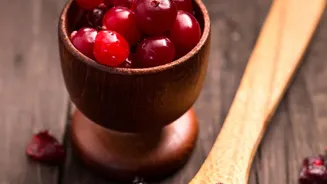
Patience is key, as cranberry plants typically begin to produce fruit in their second or third year. The berries are ready to harvest in the fall, usually from September through October, when they have turned a deep, rich red color. You should aim to pick them before the first hard frost. The flavor will be intensely tart, a sign of true fresh cranberries. They can be used immediately in sauces juices and baking or frozen for long term storage allowing you to enjoy the literal fruits of your labour well beyond the harvest season.