





The Material Shift: What to Look For in 2026
The single most important factor in monsoon footwear is the material. The 2026 trend continues to move away from materials that absorb water, like leather, suede, and canvas, which become heavy, take days to dry, and can lead to fungal infections. Instead,
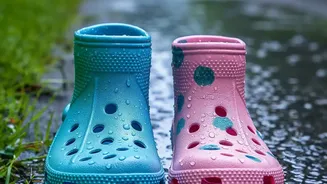
the focus is on inherently waterproof or quick-drying options. Materials like rubber, PVC (Polyvinyl Chloride), and EVA (Ethylene-vinyl acetate) are at the forefront. These materials don’t just repel water; they are also lightweight, easy to clean, and often more affordable. Brands are increasingly using these materials to create shoes that are not just functional but also stylish, marking a significant shift from the purely utilitarian rain gear of the past. The goal is no longer just to stay dry, but to do so without sacrificing your personal style.
The Style Guide: Top Picks for Monsoon Travel
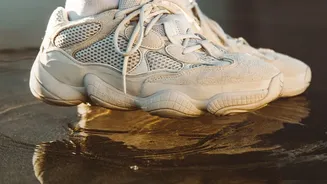
This season's footwear trends offer a blend of comfort, durability, and style, ensuring there's a perfect pair for every type of traveler. Clogs and slides, particularly those made from EVA, have become fashion staples. They offer toe protection from unseen debris in puddles while remaining breathable and incredibly comfortable for long days of walking. For a more secure fit, waterproof sandals with adjustable straps and anti-slip soles are an excellent choice. They provide great grip on slippery surfaces and allow water to drain away easily. The once-humble rain boot, or gumboot, has also had a stylish makeover, with modern, sleeker designs in various colours and heights that pair well with everything from jeans to dresses. Finally, for city explorers, waterproof sneakers and slip-ons with sealed seams offer a polished look that can handle unexpected downpours without the worry of soggy socks.
Footwear to Absolutely Avoid
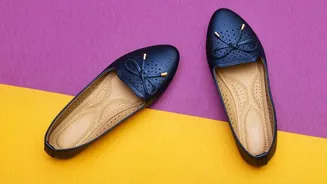
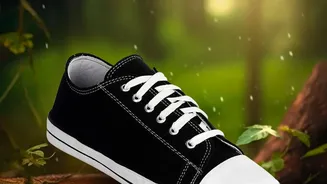
Just as important as knowing what to wear is knowing what to leave at home. Leather and suede are at the top of the list of materials to avoid. Water can cause them to stain, warp, and crack, effectively ruining them. Canvas sneakers are another poor choice, as they act like a sponge, absorbing water and staying damp for hours, creating a breeding ground for bacteria and odour. High heels and any footwear with smooth, slick soles are a safety hazard on wet tiles and pavements, significantly increasing the risk of slips and falls. Similarly, flimsy flip-flops without proper grip or support can be dangerous and uncomfortable for navigating uneven, wet terrain.
Essential Monsoon Foot Care
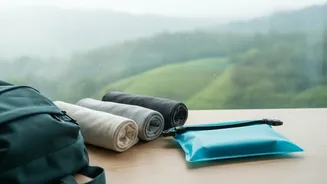
Choosing the right shoes is only half the battle; proper foot care is crucial to prevent infections and discomfort. The golden rule is to keep your feet as dry as possible. After coming in from the rain, immediately remove wet footwear and wash your feet with mild soap and water, paying close attention to the spaces between your toes. Dry them thoroughly with a clean towel. Using an antifungal powder can help absorb any lingering moisture and prevent fungal growth. It is also wise to rotate your shoes, allowing each pair at least 24 hours to dry out completely before wearing them again. Never store damp shoes in a closed cupboard, as this encourages mildew and bad odour.