






The Golden Healer: Turmeric
Turmeric, or haldi, is a cornerstone of Indian cooking, and its importance is amplified during the monsoon. The damp, humid weather can make the body more susceptible to infections. Turmeric's power lies in its active compound, curcumin, which has potent
anti-inflammatory and antioxidant properties that help strengthen the body against infections. A warm glass of 'haldi doodh' (turmeric milk) before bed is a timeless remedy for soothing a sore throat or fighting off a cold. According to Ayurveda, turmeric is a warming spice that helps balance the body, making it ideal for the cooler, damp conditions of the rainy season.
The Warming Spice: Ginger
Ginger, or adrak, is another kitchen staple that becomes a superhero during the rains. It is renowned for its ability to soothe a sore throat and combat the common cold and cough, which are frequent complaints this time of year. The active compound, gingerol, has antiviral and antibacterial properties. Ginger is also a powerful digestive aid, which is crucial because Ayurveda suggests that our digestive fire (Agni) is weaker during the monsoon. A cup of hot ginger tea not only provides immediate comfort on a rainy day but also helps prevent bloating and indigestion. Its natural heat-generating property helps the body fight off infections from within.
The Immunity Shield: Tulsi
Holy Basil, or Tulsi, is revered in Ayurveda and found in the courtyards of many Indian homes for a good reason. During the monsoon, it acts as a powerful shield for your immune system. Tulsi leaves have antimicrobial properties that help the body fight off a range of viral and bacterial infections. It is particularly effective for respiratory issues, helping to relieve coughs and clear congestion. A simple way to consume it is by brewing a few leaves into a soothing herbal tea, often combined with other spices to create a potent 'kadha', a traditional Ayurvedic drink to ward off seasonal illnesses.
The Flavour Enhancer: Black Pepper
Black pepper, or 'kali mirchi', does more than just add a pungent kick to our food. This humble spice is a powerhouse of health benefits, especially during the monsoon. It is known to have antibacterial and anti-inflammatory properties, which help keep infections at bay. What makes it truly special is its relationship with turmeric. Black pepper contains piperine, a compound that significantly increases the absorption of curcumin from turmeric, making the golden spice even more effective. It also aids digestion and helps relieve cold and cough symptoms, making it a valuable addition to soups, teas, and curries during the rainy season.
The Comfort Flour: Besan
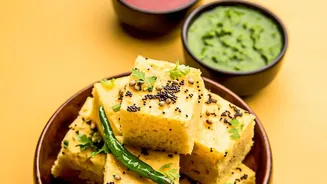
The craving for hot, crispy 'pakoras' as the rain falls is a classic Indian monsoon experience, and the key ingredient is besan, or gram flour. This isn't just about taste; there's wisdom behind it. The monsoon season can slow down our digestive system due to high humidity. Besan is lighter and easier to digest compared to other flours, making it an ideal choice. It is also a good source of plant-based protein and provides sustained energy. Dishes made from besan, like 'chilla' or 'kadhi', are not only comforting but also align with the Ayurvedic principle of eating light, warm, and easily digestible foods during Varsha Ritu (the rainy season).