







The Dark Side of 10-Minute Delivery
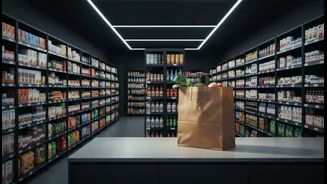
Quick-commerce platforms like Swiggy Instamart, Blinkit, and Zepto have revolutionised urban Indian life. Their model, built on a network of small, neighbourhood warehouses or 'dark stores', promises unparalleled convenience. However, this speed-focused
system is showing signs of strain. Recently, India's food safety regulator, the FSSAI, issued multiple notices to Swiggy Instamart after a series of alarming consumer complaints. These weren't minor issues; reports included the delivery of expired baby formula, rotten eggs, spoiled milk, and packaged meals emitting foul odours. In one case, a customer allegedly received a highly deteriorated infant food product and was sent the same defective item again after it was returned. These incidents highlight a growing concern that in the race for speed, basic safety and quality checks are being compromised.
Why Is This Happening?
The operational model of quick commerce presents unique food safety challenges. Dark stores must manage a high volume of orders under immense time pressure, making rigorous quality control difficult. Maintaining proper storage, especially for perishable items that require temperature control, becomes a major hurdle. Furthermore, ensuring timely stock rotation to prevent products from expiring on the shelf is a complex logistical task. Investigations by regulatory bodies have uncovered significant lapses. In some cases, dark stores were found to be operating in unhygienic conditions, with expired items mixed with fresh stock. FSSAI has also flagged issues with seller verification, where vendors were listed with incorrect or invalid licenses, making it difficult to trace the source of unsafe products. The regulator noted that consumer complaints were often met with simple refunds rather than proper corrective action, eroding trust.
Regulators Are Taking Notice
The recent complaints have triggered a significant regulatory response. The FSSAI has made it clear that quick-commerce platforms are not just tech intermediaries but are integral parts of the food supply chain, and must be held to the same safety standards as traditional stores. The notices issued demand detailed explanations from companies about their inventory management, seller verification, and grievance redressal systems. Experts believe this increased scrutiny will likely lead to industry-wide changes, forcing all players to invest more in warehouse audits, temperature-controlled logistics, and better expiry date tracking. FSSAI has been clear that it requires platforms to ensure products have a significant portion of their shelf life remaining upon delivery and is considering rules that would require expiry dates to be displayed at the point of purchase online.
How to Protect Yourself and Shop Smarter
While regulators work to enforce higher standards, consumers can take immediate steps to ensure the groceries they receive are safe. The most important rule is to inspect your delivery upon arrival. Don't let the delivery person rush off before you've had a quick look. Check 'use by' or expiry dates on all packaged goods, especially dairy, meat, and bread. For fresh produce, look for visible signs of spoilage like mould, unusual odours, or wilting. Reject any item that seems off. If you receive something unsatisfactory, don't just accept a refund. File a formal complaint through the app to ensure the issue is logged. FSSAI also encourages consumers to use its 'Food Safety Connect' app to report unsafe products directly to the regulator. Finally, consider the types of products you buy via quick commerce. While convenient for pantry staples, you may want to be extra cautious when ordering highly perishable or sensitive items like infant food and raw meat.