






Meet Pea Milk: The Protein-Packed Contender
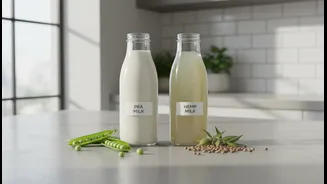
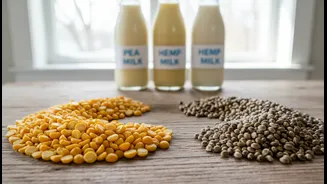
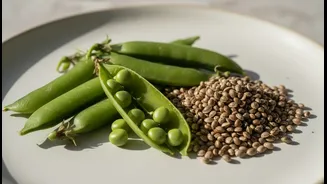
Don't worry, it doesn't taste like green peas. Pea milk is typically made from yellow split peas, which are milled into flour. The protein is separated from the fibre and starch, and then blended with water and other ingredients like sunflower oil and vitamins.
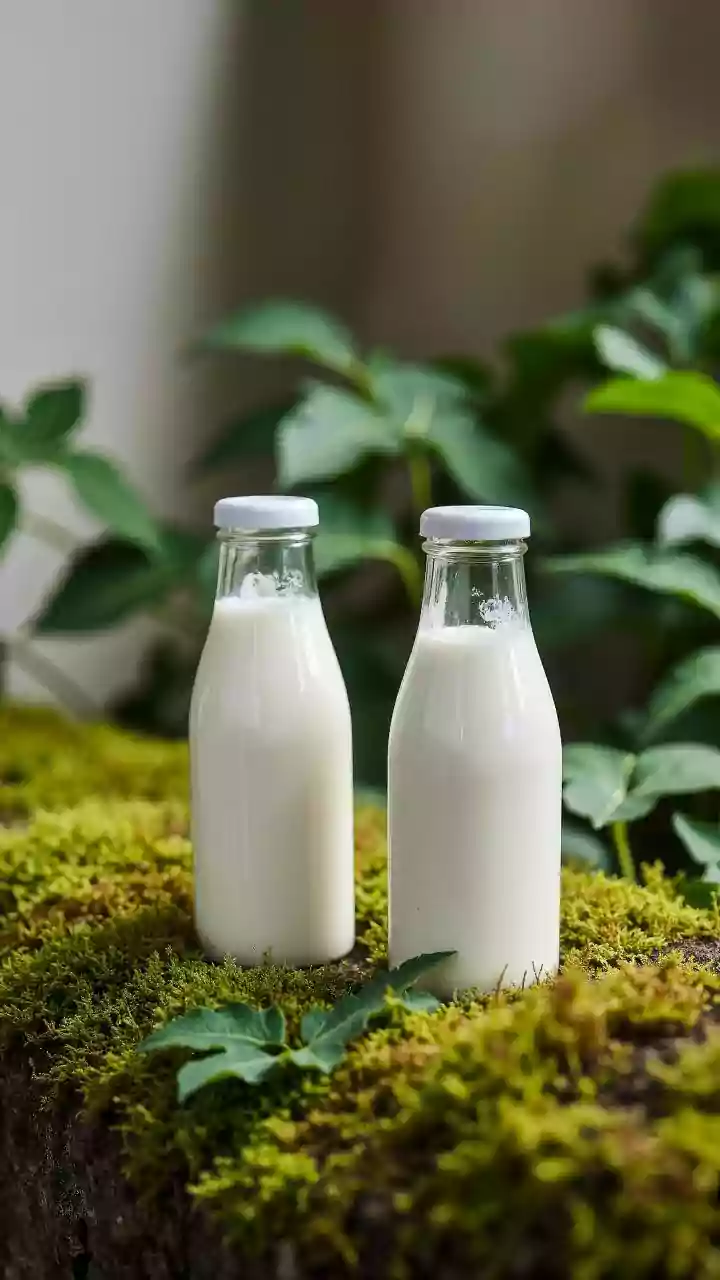
The result is a surprisingly creamy, smooth beverage that has a neutral to slightly earthy flavour. Nutritionally, it's a heavyweight. A single cup of unsweetened pea milk can pack around 8 grams of protein, rivaling what you'd find in a glass of cow's milk. This makes it an excellent choice for those looking to maintain muscle mass or simply feel fuller for longer. Most commercial brands are also fortified with calcium and vitamin D, making it a well-rounded dairy substitute.
Discover Hemp Milk: The Earth-Friendly Hero
Hemp milk is made by blending water with the seeds of the hemp plant, Cannabis sativa. Before you ask, this is industrial hemp, which contains only trace amounts of the psychoactive compound THC. What it does contain is a host of benefits for both you and the planet. Hemp is considered an 'environmental hero' by some because it's a resilient crop that can grow in diverse climates, often without the need for pesticides. Its deep root system helps improve soil structure and it's effective at sequestering carbon from the atmosphere. All parts of the plant can be used, making it a very low-waste crop. Nutritionally, hemp milk is a source of healthy omega-3 and omega-6 fatty acids. It delivers around 3 grams of protein per cup and has a distinctly nutty, earthy flavour that works well in smoothies and cereal.
The Sustainability Showdown
When it comes to environmental impact, all plant milks are significantly better than dairy, which requires vast amounts of land and water and produces significant greenhouse gas emissions. But not all plant milks are created equal. Almond milk, a popular choice in India, has come under fire for its enormous water footprint; it takes litres of water to produce a single glass, often in drought-prone regions. In contrast, peas are a superstar of sustainability. They are legumes that naturally fix nitrogen in the soil, reducing the need for chemical fertilizers. They also require far less water than almonds and are typically grown in regions with more rainfall. Overall, pea milk's total water footprint is estimated to be drastically lower than cow's milk, and its greenhouse gas emissions are minimal. Hemp is similarly eco-friendly, requiring less water than almonds and dairy, and offering the added benefits of improving soil health. Studies show its production has a global warming potential over 50% lower than bovine milk.
Taste, Texture and How to Use Them
For many, the switch to a plant-based milk comes down to taste and texture. Pea milk has gained fans for its creamy, rich texture, which is often compared to dairy milk. This makes it a versatile all-rounder, working well in everything from your morning chai and coffee to cooking and baking. Because its flavour is relatively neutral, it won't overpower other ingredients. Hemp milk has a thinner consistency, similar to skim milk, and a more pronounced nutty or seed-like flavour. While some enjoy drinking it straight, its unique taste is often best utilized in smoothies, oatmeal, or blended into sauces where its flavour can be a complementary element.
The Growing Market in India
The plant-based milk market in India is expanding rapidly, projected to grow significantly by 2031. This growth is driven by rising health consciousness, awareness of lactose intolerance, and a growing interest in vegan and sustainable lifestyles. While soy and almond milk currently dominate the market, the exceptional sustainability and nutritional profiles of pea and hemp milk position them as strong future contenders. As more brands enter the space and availability increases in mainstream stores and cafes, consumers will have even more opportunities to make eco-conscious choices without compromising on nutrition.