







The Wisdom in Our Grandparents’ Ways
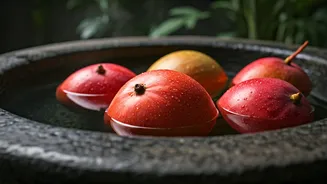
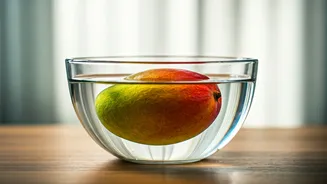
Chances are, you’ve seen your mother or grandmother submerge a fresh batch of mangoes in a bucket of water before letting anyone touch them. This isn't just a ritual to wash off dust; it's a time-honoured technique rooted in practical science. For generations,
Indian households have soaked mangoes to mitigate some of the fruit's natural, but less desirable, properties. The practice primarily targets the sticky, milky sap that oozes from the stem, along with a naturally occurring compound called phytic acid. While modern life has us often skipping these small steps, understanding the ‘why’ behind this tradition reveals its enduring value for enjoying the king of fruits to the fullest.
What Exactly Are We Soaking Off?
The primary culprit is the sap, a plant latex containing urushiol, the same compound found in poison ivy. While the amount in mango skin and sap is minuscule, it can cause contact dermatitis—an itchy rash around the mouth—for sensitive individuals. Beyond the sap, mangoes contain phytic acid, an 'anti-nutrient' that can interfere with the absorption of essential minerals like iron, zinc, and calcium. Phytic acid also contributes to the fruit’s thermogenic (heat-producing) effect in the body. Soaking the mangoes helps leach out a significant portion of this acid, making the fruit easier on your digestive system and less likely to cause issues like acne or indigestion, which some people associate with eating too many mangoes.
How Salt and Water Work Their Magic
So, how does a simple soak work? It's all about osmosis. When you place mangoes in water, the concentration of phytic acid and other water-soluble compounds is higher inside the fruit than in the surrounding water. Nature seeks balance, so these compounds naturally move from an area of high concentration (the mango) to an area of low concentration (the water), effectively drawing them out. Adding a pinch of salt to the water can accelerate this process. The saltwater solution creates an even greater concentration gradient, encouraging the sap and acids to leach out more efficiently. While 'instantly' might be an overstatement, the process is highly effective. Within 30 minutes to an hour, you'll notice a significant reduction in the sticky sap and a better overall fruit.
Your Step-by-Step Soaking Guide
Ready to try it? The process couldn't be simpler. 1. **Choose Your Vessel:** Find a large bowl or clean bucket that’s big enough to comfortably hold all your mangoes without crowding them. 2. **Fill with Water:** Use cool or room temperature water. Fill the container until the mangoes can be fully submerged. 3. **Add the Salt:** For a standard bowl with about 4-5 mangoes, a teaspoon of rock salt or regular table salt is sufficient. Let it dissolve slightly. 4. **Submerge the Mangoes:** Place the mangoes in the saltwater solution, ensuring they are completely underwater. The stem side should be facing down if possible, as this is where the sap is most concentrated. 5. **Wait Patiently:** Let the mangoes soak for at least 30 minutes. For best results, especially if you are sensitive to the sap, soaking for 1-2 hours is ideal. You may notice the water becomes slightly cloudy or filmy, which is a good sign the process is working. 6. **Rinse and Enjoy:** Once done, remove the mangoes, give them a final rinse under clean running water to wash off any residual salt, and pat them dry. They are now ready to be chilled, cut, and devoured.
Beyond Sap: The Other Benefits
This simple trick offers more than just sap removal. Soaking is an effective way to clean the fruit thoroughly, washing away any residual pesticides, dirt, and bacteria from the skin that might have accumulated during transport and handling. Many connoisseurs also believe that soaking enhances the mango's flavour profile. By reducing the slightly astringent taste from the sap and phytic acid, the natural sweetness and complex aromas of the fruit can shine through more clearly. Furthermore, by reducing the fruit’s thermogenic properties, the soaked mango becomes a more 'cooling' and refreshing treat, perfect for beating the sweltering summer heat.