
What is Self-Healing Concrete?
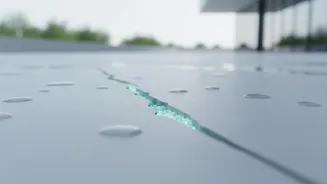
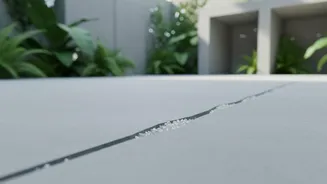
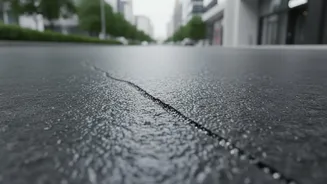
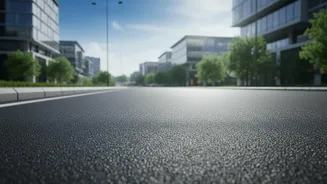
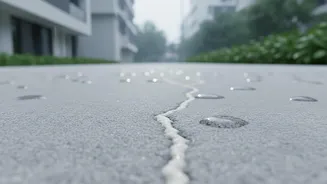
Imagine a road that, when a small crack appears, can automatically seal the breach before it turns into a bone-jarring pothole. This is the promise of self-healing concrete, also known as 'bioconcrete'. Unlike traditional concrete, which is prone to cracking
under stress and weathering, this advanced material has a built-in repair mechanism. The concept is inspired by nature, mimicking how a body heals a wound. By embedding dormant biological agents directly into the concrete mix, scientists are creating a material that can actively extend its own lifespan, reducing the need for constant and costly repairs. This isn't just about patching holes; it's about preventing them from forming in the first place by addressing micro-cracks the moment they appear.
The Science of Bacterial Repair
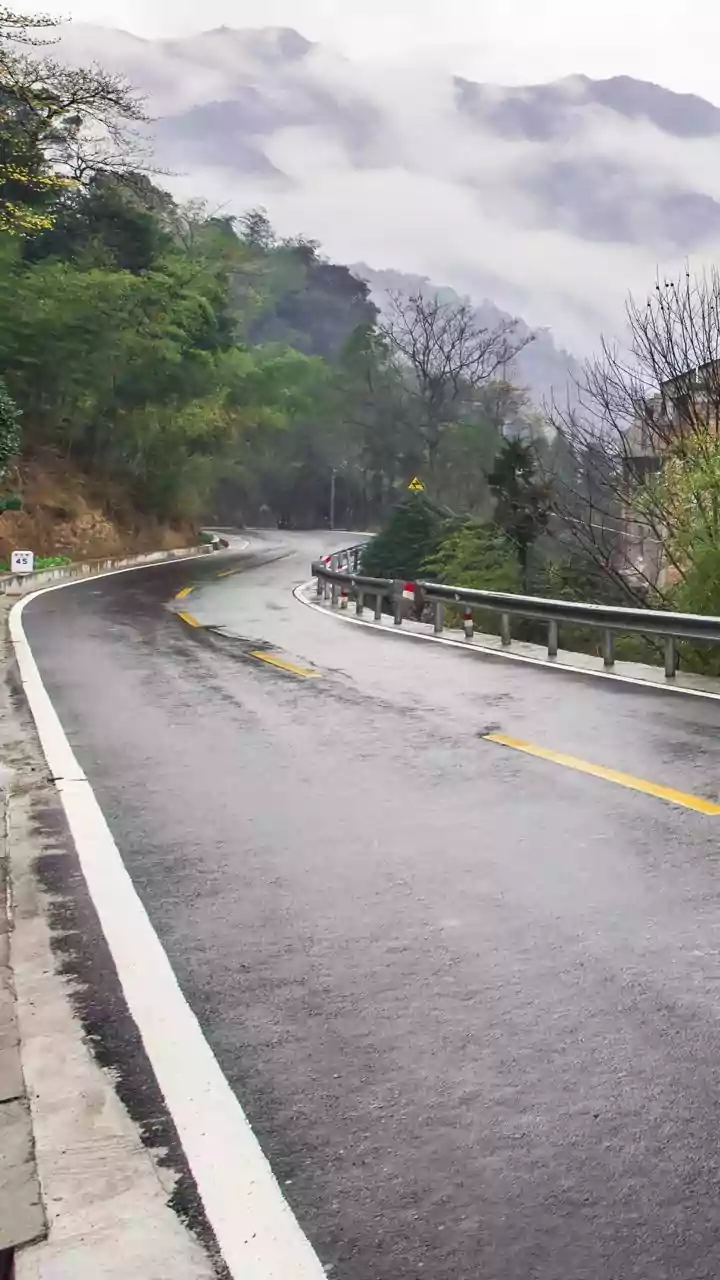
The secret ingredient is a special kind of bacteria, often from the Bacillus genus, which is chosen for its ability to survive in the highly alkaline environment of concrete. These bacterial spores, along with a food source like calcium lactate, are added to the concrete mix in tiny capsules. They can lie dormant for decades, even up to 200 years, waiting for a trigger. When a crack forms and monsoon rainwater seeps in, the bacteria are activated. They begin to feed on the nutrients and, through a metabolic process, produce calcium carbonate—essentially limestone. This limestone solidifies within the crack, sealing it from further water ingress and preventing the corrosion of steel reinforcements inside the structure. Once the crack is filled and dries out, the bacteria become dormant again, ready for the next time they are needed.
From the Lab to Indian Roads
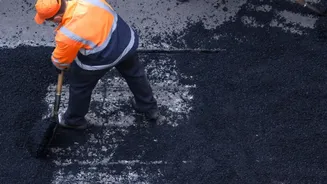
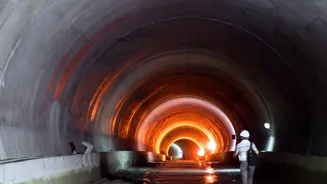
While the technology was pioneered by researchers in Europe, Indian scientists are actively working to adapt and implement it for local conditions. Research bodies like the Indian Institutes of Technology (IIT) and the National Collection of Industrial Microorganisms in Pune are studying native bacterial strains that can thrive in India's diverse climate. One study highlighted the use of Bacillus subtilis to not only heal cracks but also significantly improve the concrete's compressive and tensile strength. The primary application currently being explored is for preventing the development of small cracks (usually under 1 mm wide) in critical infrastructure like bridges, tunnels, and pipelines. While the headline envisions a direct fix for large monsoon potholes, the technology is more focused on prevention—creating roads that are resilient enough to stop those potholes from ever forming. Pilot projects under initiatives like the Smart Cities Mission are reportedly testing these materials in new infrastructure.
The Road Ahead: Benefits and Hurdles
The benefits of self-healing concrete are immense. By automatically repairing micro-cracks, it dramatically increases the lifespan of structures, reduces long-term maintenance costs, and improves safety. From an environmental perspective, making concrete last longer means producing less of it, which is significant given that cement manufacturing is a major source of CO2 emissions. However, the road to widespread adoption has challenges. The primary hurdle is the initial cost. Bio-concrete can be more expensive to produce than its conventional counterpart, though this could be offset by massive savings on future repairs. Researchers are also working on scaling up production and ensuring the long-term viability of the bacteria in real-world road conditions, which include exposure to traffic loads, heat, and pollutants. The goal is to develop an economical approach that makes this innovative material a practical choice for large-scale road construction across the country.