


The Rise of Paddling Sports
Kayaking and stand-up paddleboarding (SUP) have exploded in popularity across India's lakes, rivers, and coastlines. They represent more than just a way to pass the time; they are accessible, low-impact ways to connect with nature while getting a fantastic
workout. Both activities are celebrated for their ability to improve cardiovascular health and build strength without being harsh on the joints. The choice often comes down to personal preference, but understanding the specific physical demands of each, particularly concerning your core and back, is crucial for long-term enjoyment and injury prevention.
Paddleboarding: A Standing Full-Body Challenge
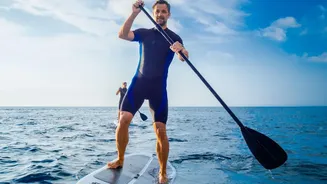
Stand-up paddleboarding is praised as a comprehensive, full-body workout. The primary challenge is balance. To stay upright on an unstable board, your body constantly makes micro-adjustments, engaging deep core muscles, including your abdominals, obliques, and lower back. This continuous effort to maintain stability provides an exceptional core-strengthening session. The paddling motion itself works the upper body—shoulders, arms, and back—but the primary muscle engagement comes from the legs and core working in unison to keep you steady. Because you stand upright with a neutral spine, SUP is often considered a low-risk activity for back strain, provided you maintain good posture. It's an excellent choice for those looking to improve balance and get a workout that engages nearly every muscle group simultaneously.
Kayaking: The Power of the Rotational Stroke
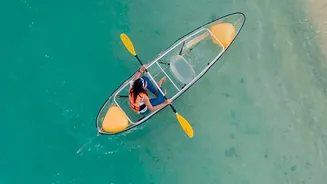
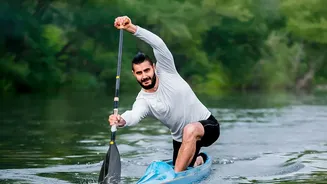
At first glance, kayaking seems to be an arm-centric activity. However, a proper and powerful kayaking stroke originates from the core and back. The main muscles at play are the latissimus dorsi ('lats'), the large muscles spanning your back, along with the rhomboids and trapezius. Each stroke involves rotating your torso, pulling the paddle blade through the water by engaging these powerful back muscles, not just your arms. This rotational movement is fantastic for building a strong back and obliques. Your core works constantly to stabilize your body in the seated position, especially on moving water. While your legs aren't driving the motion, they press against footrests to aid in balance and power transfer from your core.
The Back Muscle Dilemma in Kayaking
The headline's focus on back muscles during kayaking strokes is important. While kayaking is excellent for building back strength, it also carries a higher risk of back strain if done incorrectly. The seated 'L' position in many kayaks can put vertical pressure on the spine and cause the lower back to round, especially if the seat lacks proper support or if the paddler has tight hamstrings. This sustained posture, combined with the repetitive rotational force of paddling, can lead to lower back pain. Beginners, in particular, often make the mistake of 'paddling with their arms', which overloads the smaller shoulder muscles and fails to engage the larger, more powerful back and core muscles, leading to inefficiency and potential injury. Therefore, while a strong back is a benefit of kayaking, individuals with pre-existing lower back issues must be cautious.
Making the Right Choice for Your Body
So, which is better for you? Stand-up paddleboarding is arguably the winner for a balanced, low-impact, full-body workout with a strong emphasis on core stability and balance. Its upright posture is generally kinder to the lower back, making it a potentially better choice for beginners or those with back concerns. Kayaking offers a more intense upper-body and back workout, making it superior for building targeted strength in those areas. It's also often preferred for longer distances or in windy conditions due to its stability and efficiency. The key to avoiding pain in kayaking is investing in a supportive seat—perhaps one with adjustable lumbar support—and, most importantly, learning the correct paddling technique that emphasizes torso rotation over arm strength.