


The Heart of Punjabi Cuisine
Sarson ka Saag is deeply rooted in the agricultural heritage of Punjab, a region known for its fertile lands. Historically, it was a nourishing and hearty meal for farmers, providing sustenance through long days in the fields. Today, it remains a beloved
staple, especially during winter festivals like Lohri, symbolizing prosperity and the bounty of the harvest. This dish is a testament to the slow food tradition, where simple, seasonal ingredients are transformed through patience and time-honoured techniques into a comforting culinary experience. It’s a dish that connects people to India's agricultural roots and the simplicity of rural life.
The Essential Blend of Greens
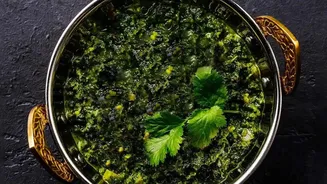
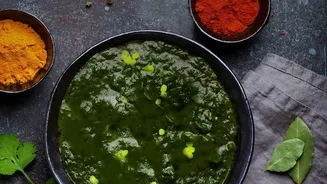
While 'sarson' means mustard, the saag is rarely made with mustard greens alone. The signature pungent and peppery flavour of mustard leaves is expertly balanced by combining them with other winter greens. Traditionally, this includes spinach (palak) for creaminess, bathua (chenopodium) for a subtle, mellow flavour, and sometimes fenugreek (methi) or radish leaves (mooli ke patte). This blend is crucial; it creates a complex, layered flavour profile that is both robust and refined, balancing the natural bitterness of the mustard greens. Some recipes call for as many as five different types of greens to achieve the perfect texture and taste.
Celebrating the Star: Mustard Greens
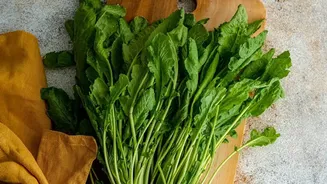
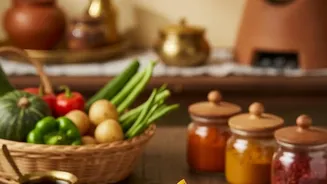
Mustard greens, the star of the dish, are at their peak during the cold months. They are a nutritional powerhouse, packed with vitamins A, C, and K, as well as calcium and iron. These nutrients are known to boost immunity, support bone health, and provide antioxidants, making them an ideal winter superfood. When selecting mustard greens, look for crisp, vibrant leaves, avoiding any that are wilted or yellowed. Preparing them involves thorough washing to remove any grit, and often removing the thick, fibrous central stems to reduce bitterness before chopping.
The Art of Slow Cooking
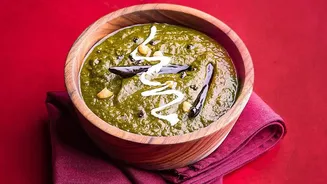
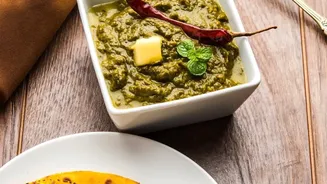
Authentic Sarson ka Saag preparation requires patience. The greens are traditionally slow-cooked for a long time, often for several hours, with aromatics like ginger, garlic, and green chillies until they become incredibly soft and tender. This slow simmering process is what breaks down the greens into a creamy, luscious purée. After cooking, the mixture is blended, but often kept slightly coarse to maintain some texture. To thicken the saag and give it a characteristic creamy finish, maize flour (makki ka atta) is whisked in and cooked with the puréed greens.
The Finishing Touches: Tadka and Pairings
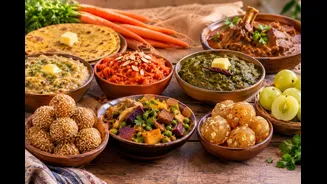
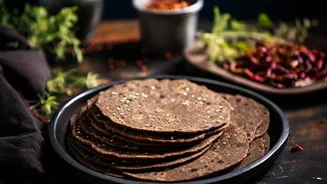
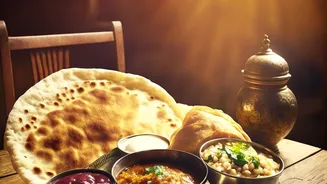
The final flourish for the saag is the 'tadka' or tempering. Just before serving, a generous amount of ghee is heated, and ingredients like chopped onions, garlic, ginger, and sometimes dried red chillies are fried until golden brown. This fragrant mixture is poured over the saag, adding a final layer of rich flavour. No mention of Sarson ka Saag is complete without its traditional partner: Makki di Roti. This rustic flatbread, made from maize flour, is the perfect vessel for scooping up the creamy greens. A generous dollop of white butter (makhan) on top of the hot saag is considered essential, adding to the dish's decadent richness.