




A Deluge in the Hills
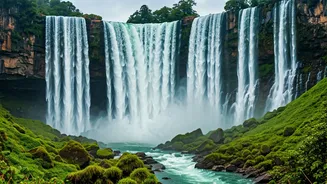
The India Meteorological Department (IMD) has issued warnings for heavy to very heavy rainfall across Meghalaya, with the current intense spell expected to continue. [5, 12, 13] In a dramatic 24-hour period around June 21st, Mawsynram, which holds the record
for the highest annual rainfall on Earth, received a staggering 530 mm (53 cm) of rain. [7, 9] Nearby Cherrapunji (Sohra) was not far behind, recording 470 mm (47 cm). [5, 7] To put that in perspective, some major cities receive less rainfall in an entire year. The deluge was reportedly supercharged by a cyclonic circulation over Assam, which acted like a giant pump, pulling immense moisture from the Bay of Bengal directly towards the Khasi Hills. [8]
The Science of Extreme Rain
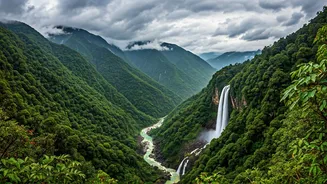
Meghalaya's geography makes it a unique rain magnet. The state sits at the base of the Eastern Himalayas, directly in the path of the Bay of Bengal branch of the southwest monsoon. [7] When these moisture-laden winds hit the steep southern slopes of the Khasi Hills, they are forced to rise rapidly. [7] This process, known as orographic lift, causes the air to cool and condense, releasing phenomenal amounts of rain. [7] Mawsynram and Cherrapunji are located on the edge of this plateau, perfectly positioned to receive this concentrated downpour, which is why they have historically been the wettest places on the planet. [7, 15]
Life on Standstill: Landslides and Floods
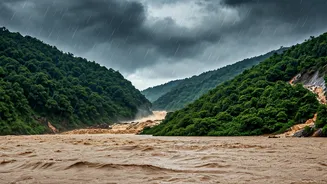
This extraordinary rainfall has had severe consequences on the ground. The most significant impact has been on infrastructure, with the main highway connecting the state capital, Shillong, to the popular tourist town of Dawki being completely cut off. [6, 11] A massive landslide near Laitlyngkot village washed away an entire section of the road, causing it to collapse into a gorge below. [6, 14] Authorities have advised that repairs will take several days and have urged commuters to use alternative routes. [14] Beyond the highways, rising river levels have sparked fear. The iconic Umngot River in Dawki swelled at an alarming rate, submerging a construction camp and washing away heavy machinery. [6] The IMD has warned of continued risks of localised flooding, waterlogging in urban areas, and more landslides in vulnerable hilly regions. [7, 10]
A Land of Extremes
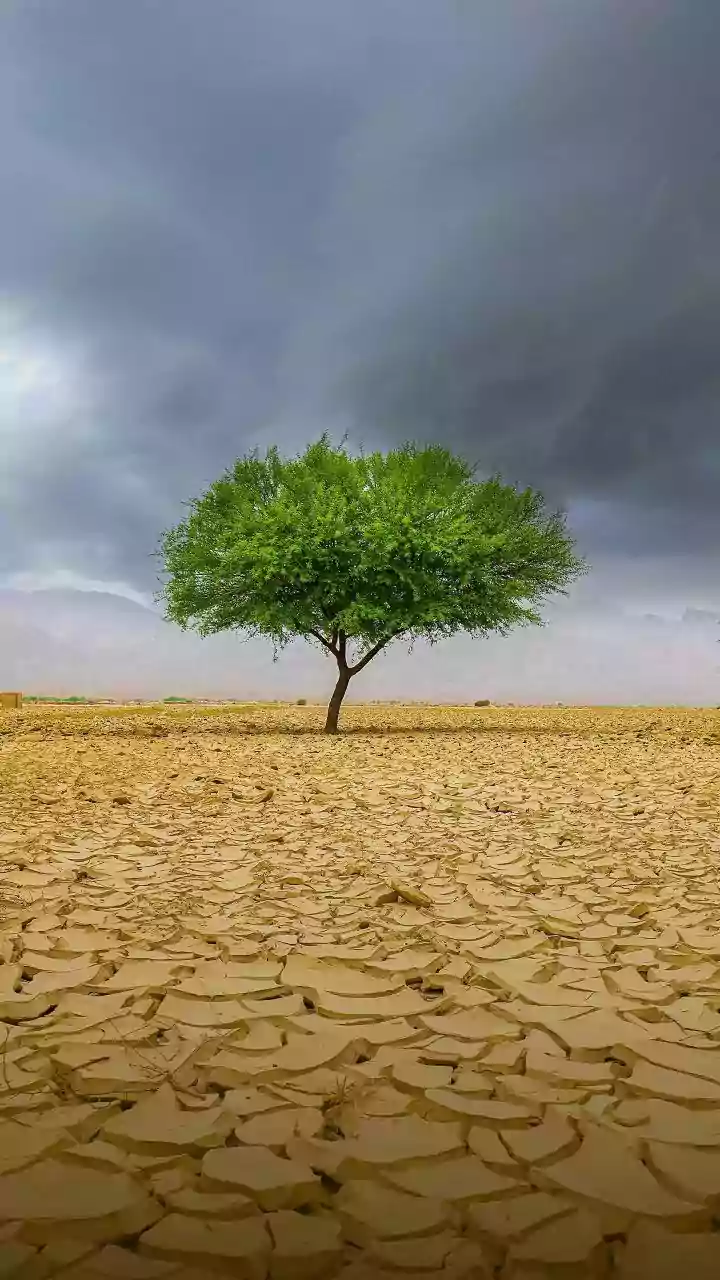
While this current spell is intense, it comes against a backdrop of changing weather patterns. In recent years, Meghalaya has paradoxically faced rainfall deficits during the monsoon. [16] Studies have shown a decreasing trend in monsoon rainfall over the long term for several parts of the state. [16] This volatility—swinging between periods of deficit and episodes of extreme, concentrated downpours—poses a significant challenge. It affects everything from the 83% of the population dependent on rain-fed agriculture to the state's unique biodiversity, which is evolved for consistently wet conditions. [16] These intense rain events highlight the increasing vulnerability of the region to extreme weather, a trend that many scientists link to broader changes in the global climate. [16]