






More Than Just a Dry Tap
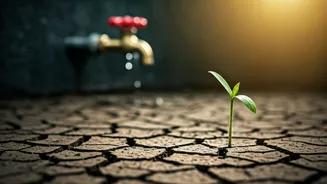
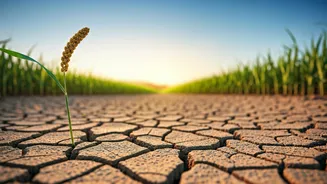
Water stress sounds abstract, but it’s here and now. India, with nearly 18% of the world's population, has only 4% of its freshwater resources. This imbalance is reaching a critical point. Recent data shows that reservoir levels are falling, with some
dropping by billions of cubic metres in just a few weeks. The core of the problem lies underground. India is the world's largest user of groundwater, extracting more than the US and China combined. This resource supports a massive 64% of our irrigation and 85% of rural drinking water needs. However, we are pumping it out faster than it can be replenished. States like Punjab, Haryana, and Rajasthan are already extracting over 100% of their annual recharge, putting agriculture and livelihoods at extreme risk. This isn't just about scarcity; it's also about quality, with contaminants increasingly found in the water that remains.
The Hidden Water in Your Shopping Cart
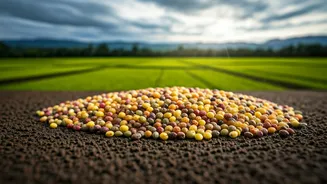
Every product we buy has a 'virtual water' footprint—the total water consumed during its production. This concept changes how we see consumption. For instance, that new cotton t-shirt required thousands of litres of water to grow the cotton and manufacture the garment. The same goes for our food. Rice, a staple for over 60% of India's population, is incredibly water-intensive to produce. When we waste food, we're also wasting the massive volumes of water that went into growing it. Even our gadgets and electronics have a significant water footprint from manufacturing processes. Understanding virtual water reveals a powerful truth: our consumption choices are water choices. By being more mindful of what we buy and how much we waste, we can significantly reduce our indirect impact on India's water reserves without changing a single habit at the tap.
Smarter Choices in the Kitchen
The kitchen is a key area for water conservation, but it goes beyond simply turning off the tap while washing dishes. Start by being efficient with utensils and vegetables. Instead of letting the tap run, wash vegetables in a bowl of water, which can then be reused for watering plants. Soaking pots and pans before scrubbing them can also dramatically reduce water use. When it comes to cooking, consider the water footprint of your ingredients. And think about your appliances: only run dishwashers and washing machines with full loads to maximize efficiency. Many modern appliances also have 'eco' or water-saving settings that can make a difference. Finally, collect the wastewater from RO purifiers; this water is demineralised but perfectly fine for mopping floors, cleaning bathrooms, or watering your garden.
A Simple Bathroom Audit
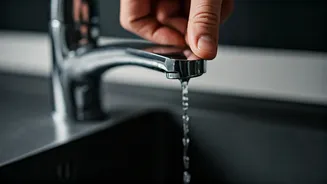
Indian households can save thousands of litres of water annually with a few simple changes in the bathroom. One of the most impactful switches is opting for a bucket bath over a long shower, a change that can save a significant amount of water with each use. Another major source of wastage is a running tap while brushing teeth or shaving, which can waste over 6 litres of water per minute. It's also crucial to conduct regular checks for leaks. A single dripping faucet might seem minor, but it can waste up to 15 litres a day, adding up to thousands of litres per year. For those considering upgrades, installing low-flow fixtures and dual-flush toilets offers a modern solution. These systems reduce water consumption per flush or per minute without sacrificing performance, making them a smart long-term investment for both the environment and your water bill.
Beyond Your Four Walls
While individual actions are crucial, community-level solutions amplify our impact. Rainwater harvesting is one of the most effective strategies, especially in urban areas. By collecting rainwater from rooftops and storing it, households and communities can create a supplementary water source for gardening, cleaning, and flushing toilets, reducing their reliance on municipal supplies and strained groundwater. Supporting local initiatives focused on restoring traditional water bodies like ponds and tanks is another powerful step. These local systems play a vital role in recharging groundwater and enhancing local water security. Engaging with residential welfare associations (RWAs) to implement collective water-saving policies, such as mandatory leak checks or community-wide rainwater harvesting systems, can create a culture of conservation that benefits everyone and builds resilience against future shortages.