



The Monsoon Paradox for Plants
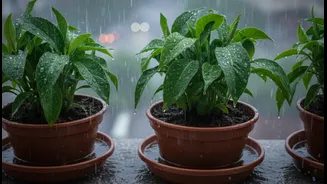
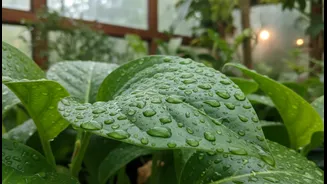
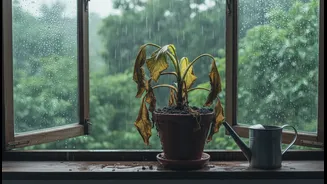
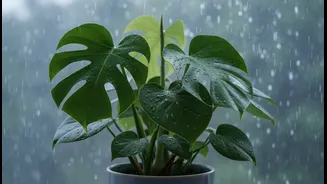
While the rains encourage lush growth, they create a challenging environment for most potted plants. The combination of high humidity, reduced sunlight due to cloud cover, and constantly damp soil is a perfect storm for problems. Excess moisture in the air
and soil means leaves and roots don't get a chance to dry out. This stagnant, damp condition is a breeding ground for fungal diseases, pests, and the dreaded root rot, which can quickly turn a thriving plant into a wilting mess. Many gardeners find their plants suffering from yellowing leaves or mushy stems despite the abundance of water.
Why Airflow is Your Secret Weapon
This is where airflow comes in as the unsung hero of monsoon plant care. Good air circulation is crucial because it helps combat the negative effects of constant humidity. Moving air helps moisture evaporate from the surfaces of leaves and from the topsoil, reducing the time that fungal spores have to germinate and take hold. Diseases like powdery mildew, downy mildew, and other leaf spot diseases thrive in still, damp air. By improving ventilation, you create an environment that is less hospitable to these pathogens. Furthermore, a gentle breeze can help strengthen plant stems, mimicking their natural outdoor environment.
Simple Ways to Boost Circulation
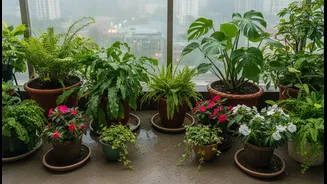
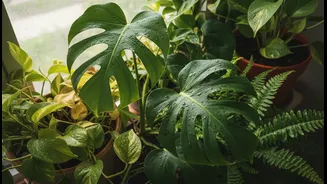
Increasing airflow doesn't require a complex setup. Start by avoiding overcrowding; give your plants some personal space. Spacing pots a few inches apart allows air to move freely around each one. Pruning is another effective method. Trim dense foliage, especially near the base of the plant, to open it up and allow air to reach the inner stems and soil. For indoor plants, especially those in stuffy corners, using a small oscillating fan on a low setting for a few hours a day can make a huge difference. Simply opening windows when it isn't raining also helps exchange stale, humid indoor air with fresh air.
Rethink Your Watering Routine
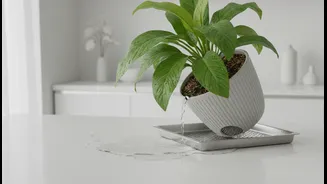
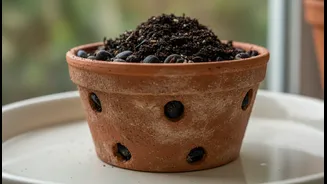
The phrase 'free rainwater' can be misleading. Just because it rains doesn't mean your plants need more water, especially if they are under a cover or indoors. The biggest mistake during monsoon is overwatering. With high humidity, the soil loses moisture much more slowly. Before you even think about watering, poke your finger about two inches into the soil. If it feels moist, leave it alone. Always ensure your pots have excellent drainage; clogged holes can be a death sentence. It's better to let a plant be slightly dry than to have it sit in waterlogged soil, which suffocates the roots and leads to rot.
Soil, Pests, and Vigilance
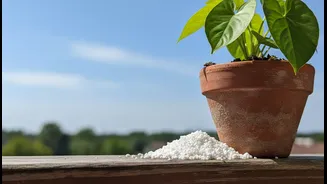
The right soil mix is your first line of defense. Use a light, airy potting mix that drains well. Adding materials like perlite or sand can significantly improve drainage and aeration. The monsoon is also a prime time for pests like mealybugs, aphids, and slugs, which love damp conditions. Regularly inspect your plants, checking under leaves and around the stems, for any signs of trouble. Wiping leaves gently can remove pests and also any dust that might be blocking light. If you spot a fungal infection or pest outbreak, isolate the plant immediately and treat it with a simple, organic solution like neem oil spray.