





Swap White Rice for Millets
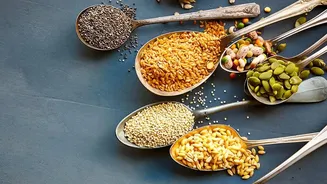
The humble millet is making a major comeback. Once seen as a rural staple, grains like jowar, bajra, and ragi are now celebrated for being rich in fibre and nutrients. Unlike polished white rice, millets digest slowly, providing sustained energy that
keeps you full longer. Many are starting with a half-and-half mix to get used to the texture, easily incorporating these ancient grains back into modern diets.
Swap Refined Sugar for Natural Sweeteners
The war on white sugar is real. With rising health consciousness, there's a clear shift towards natural alternatives. Jaggery is moving from rural kitchens to urban pantries, while honey, dates, and coconut sugar are also gaining ground. This change is driven by a desire to avoid empty calories and manage health proactively, with even zero-calorie options like stevia and monk fruit becoming popular in health-conscious circles.
Swap Packaged Chips for Roasted Makhana
When the 4 PM snack craving hits, the default is no longer a bag of fried chips. Roasted makhana (fox nuts) have become a go-to healthy alternative. They are light, crunchy, low in calories, and rich in minerals like calcium and magnesium. A quick roast with a sprinkle of salt or chaat masala delivers the satisfying crunch without the guilt of deep-fried snacks.
Swap Refined Oils for Cold-Pressed Oils
The type of cooking oil used daily is now a key consideration. Many are ditching industrially processed refined oils for traditional cold-pressed versions like mustard, coconut, or groundnut oil. The cold-pressing method avoids high heat and chemical treatments, which helps retain the oil's natural nutrients, flavour, and antioxidants. This switch is seen as a return to purity and a simple way to support long-term health.
Swap Sugary Drinks for Healthier Hydration
Liquid calories are getting a closer look. Young people are increasingly trading sugary sodas and packaged juices for healthier options. Natural choices like coconut water, fresh nimbu pani, and buttermilk (chaas) are popular for their hydrating and nutritional benefits. There's also growing interest in gut-friendly beverages like kombucha, reflecting a more holistic approach to wellness.
Swap Regular Atta for Multigrain and Millet Flours
The everyday roti is getting a nutritional boost. Instead of using only refined wheat flour (maida) or even standard whole wheat atta, many are opting for multigrain flours or adding millet flours to the mix. This simple change increases the fibre, vitamin, and mineral content of staple flatbreads, making a foundational part of the Indian diet even healthier.
Swap Dairy Milk for Plant-Based Alternatives
The beverage aisle looks different these days. While dairy remains a staple, plant-based milks like oat, almond, and soy are no longer niche products. This trend is driven by various factors, including lactose intolerance, ethical considerations, and the pursuit of a plant-forward lifestyle. For many in Gen Z, choosing plant-based options is a conscious decision aligned with both health and environmental values.
Swap Fried Namkeen for Roasted Chana
Roasted chana (chickpeas) has long been a humble snack, but it's now being recognized as a nutritional powerhouse. It offers a great source of plant-based protein and fibre, making it far more satisfying and nutritious than many fried, packaged namkeens. It's an affordable, simple, and effective swap for anyone looking to snack smarter.
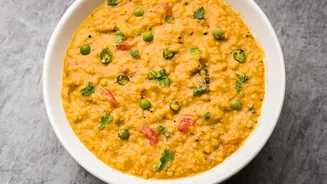
Swap Creamy Curries for Lighter Gravies
Rich, creamy gravies are delicious but often heavy. A popular healthy hack is to replace heavy cream or cashew pastes with lighter alternatives. Using thick yogurt, tomato puree, or onion-based gravies can achieve a similar richness and depth of flavour with significantly less fat. It’s a simple adjustment that makes indulgent-tasting dishes suitable for everyday eating.
Swap White Bread for Whole-Grain or Sourdough
The breakfast toast is also evolving. Plain white bread, made from refined flour, is being replaced by more nutritious options. Whole-grain and multigrain breads offer more fibre, while sourdough is gaining popularity for being easier to digest. This switch reflects a greater understanding that the quality of carbohydrates matters just as much as the quantity.