


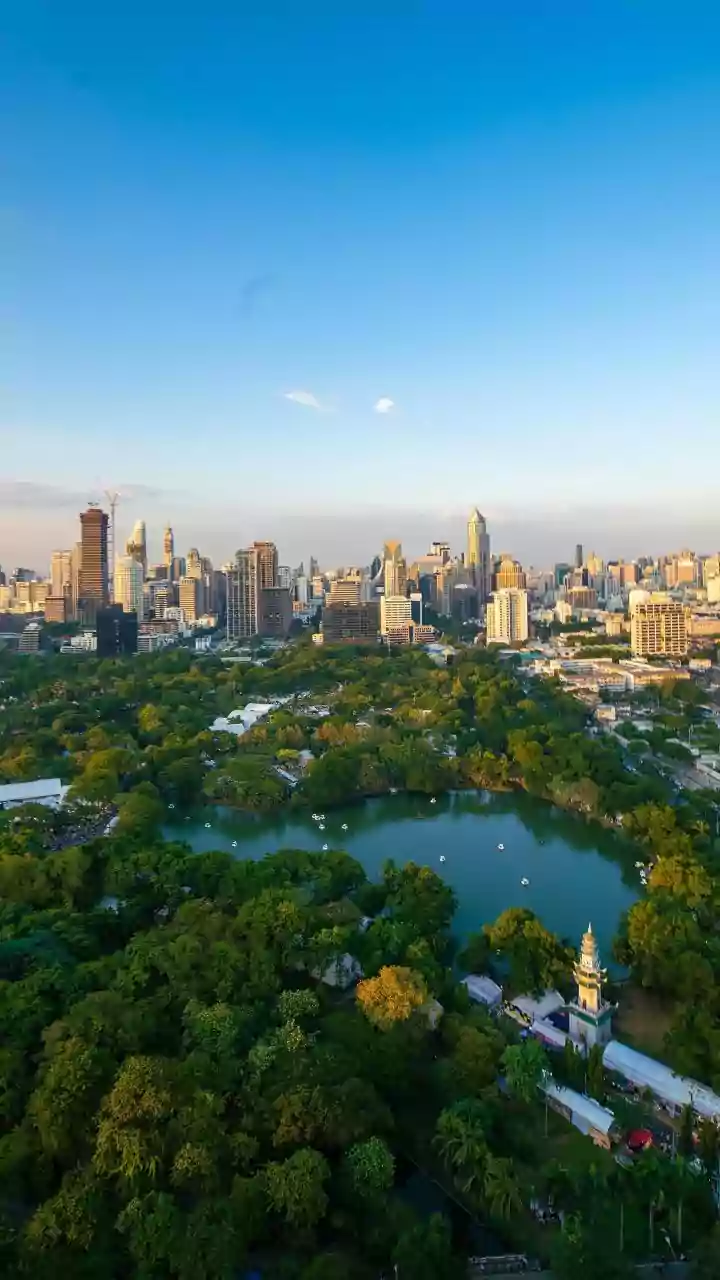


In the hustle of urban life, public parks are more than just patches of green. They are vital sanctuaries that offer a much-needed escape, serving as free, accessible spaces for improving our physical health and weaving the social fabric of our communities.
An Open-Air Gym for Everyone
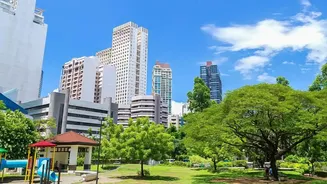
One of the most significant benefits of public parks is that they function as free-for-all fitness centres. Unlike expensive gyms, a park welcomes everyone, regardless of income or fitness level. Proximity to parks is consistently linked to higher levels of physical activity. Whether it's a brisk morning walk on a paved trail, a yoga session on the grass, a game of cricket with friends, or using outdoor gym equipment, parks provide the space and inspiration to get moving. This easy access to recreational opportunities helps combat sedentary lifestyles and reduces the risk of chronic health issues like heart disease and obesity. Studies have shown that even moderate physical activity in a park can lead to considerable health savings by promoting better overall health.
A Natural Prescription for Mental Wellness
Beyond the physical benefits, green spaces have a profound impact on mental health. Research consistently shows that spending time in nature can significantly lower stress, anxiety, and depression. Just 20 minutes in a park can lower levels of cortisol, the body's primary stress hormone. This is sometimes linked to 'biophilia,' our innate tendency to connect with nature. The simple act of being surrounded by trees, listening to birds, and feeling the sun can improve mood and cognitive function. In an increasingly digital world, parks offer a vital opportunity to unplug, recharge, and find a sense of calm away from the constant stimulation of screens and city noise. Studies have found that people living closer to green spaces report better mental health and a higher sense of well-being.
The Heartbeat of Community Life
Parks are natural hubs for social interaction and community building. They are one of the few places in a city where people from all walks of life can gather and interact freely. From parents watching their children on the playground to seniors gathering for morning chats, parks foster spontaneous connections. They serve as venues for community events like festivals, farmers' markets, and outdoor concerts, which strengthen social bonds and create a sense of belonging. These shared spaces help bridge social divides, reduce loneliness, and build trust among neighbours. Research has even suggested that residential areas with nearby parks experience less crime, partly because these areas promote stronger community ties.
Essential Infrastructure for Healthy Cities
As India continues to urbanise at a rapid pace, the role of public parks becomes even more critical. They are not a luxury but an essential piece of urban infrastructure that contributes to public health, environmental stability, and social equity. Parks help improve air quality, regulate temperatures to combat the 'urban heat island' effect, and manage stormwater. By providing free and inclusive spaces for recreation and socialisation, they help mitigate social inequality. Investing in and protecting these green lungs is an investment in the long-term resilience and liveability of our cities, ensuring a healthier and happier future for all residents.