




Beyond the Global Superfoods
For years, the Indian cafe scene was dominated by a handful of globally popular 'superfoods'. While there's nothing wrong with a good avocado, a new wave of chefs and cafe owners is asking a simple question: why look outward when we have a treasure trove
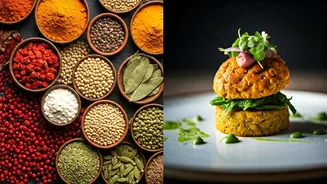
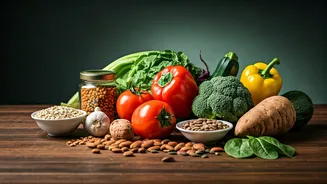
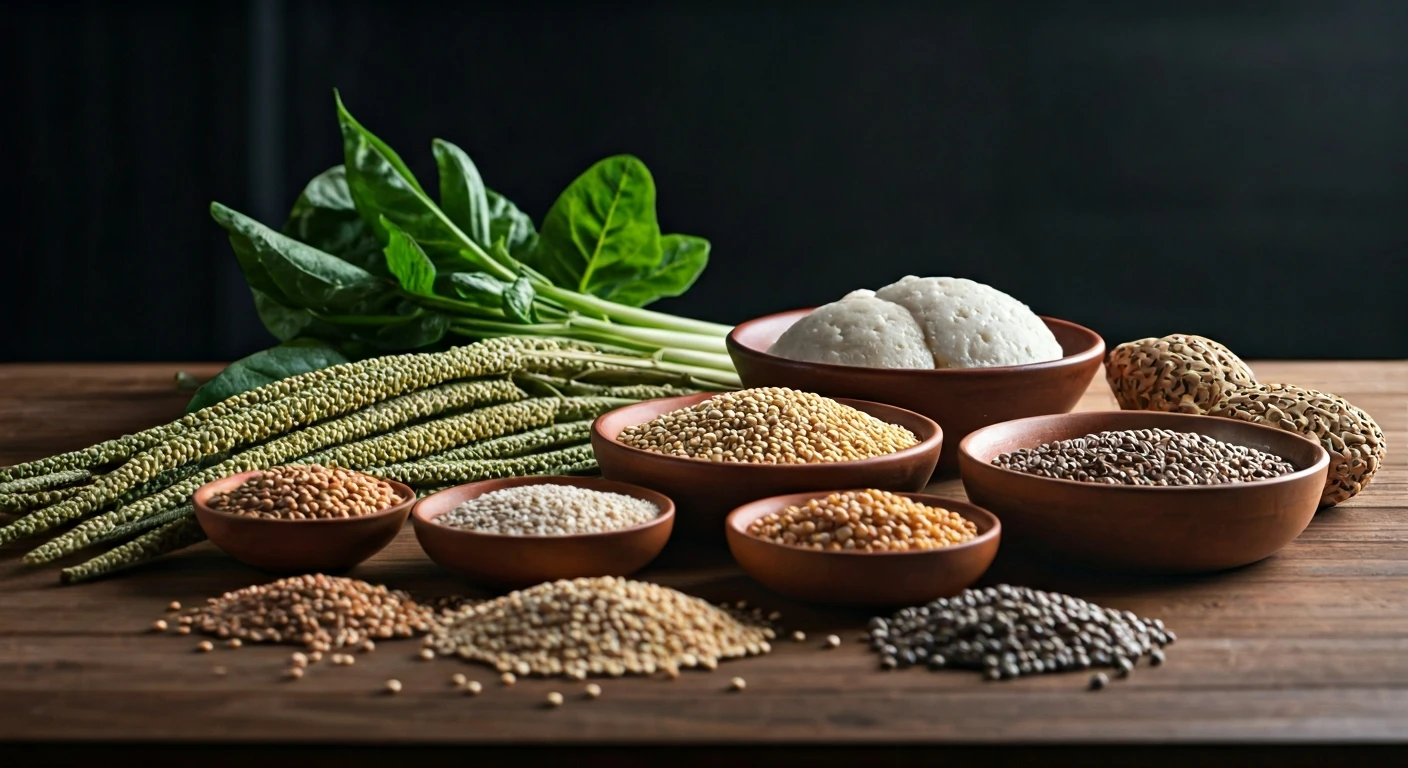
of ingredients right here? This shift marks a move away from imported trends towards a culinary identity that is proudly local. Menus are now featuring ancient grains like millets, versatile jackfruit, and nutrient-dense moringa. Instead of just copying international fads, cafes are innovating with what our land has to offer, creating dishes that are both modern and deeply rooted in Indian heritage.
The Farm-to-Cup Philosophy
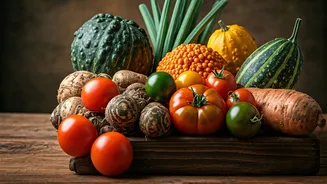
This trend is about more than just ingredients; it's a philosophy. Known as the 'farm-to-table' or 'farm-to-cup' movement, it emphasizes sourcing produce directly from local farmers. This has a multitude of benefits. Firstly, the ingredients are incredibly fresh, which enhances flavour and nutritional value. Produce harvested at its peak and delivered promptly simply tastes better. Secondly, it’s a huge win for sustainability. Reducing 'food miles'—the distance food travels from farm to plate—significantly lowers the carbon footprint associated with transportation and packaging waste. Finally, it fosters a vital connection with local communities, supporting small farmers and boosting regional economies.
A Taste of Regional India
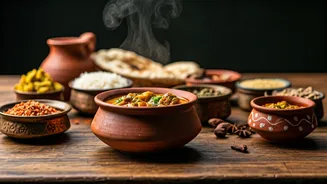
India's diverse agricultural landscape means that 'local' can mean something wonderfully different from one state to the next. This movement is allowing cafes to develop unique identities based on their specific region, or 'terroir'. A cafe in Kolkata might experiment with the fragrant gondhoraj lime, while one in the Konkan belt might create a refreshing cooler using kokum. Chefs are rediscovering and celebrating hyperlocal produce, from sea buckthorn in the Himalayas to wild mushrooms and fiddlehead ferns in the Northeast. This exploration is leading to a renaissance of regional Indian cuisine, presented in a contemporary, accessible cafe format that appeals to a new generation of diners.
Health with Heritage
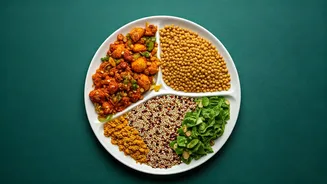
Many of these indigenous ingredients are what we now call superfoods, and they have been a part of traditional Indian diets and Ayurvedic practices for centuries. The renewed focus on ingredients like millets, ragi, and amaranth taps into a growing consciousness around health and wellness. These grains are often naturally gluten-free, rich in fibre, and packed with micronutrients. By incorporating them into modern cafe dishes—think millet pancakes or ragi-based wraps—chefs are offering food that is not only delicious but also genuinely nourishing. It represents a return to our roots that aligns perfectly with modern desires for clean, healthy eating.
What It Means For Your Next Coffee Run
This shift is transforming cafes from just a place for coffee into culinary destinations. For customers, it means more exciting and meaningful choices. When you see a dish featuring a local ingredient, you're not just ordering a meal; you are supporting a more sustainable food system, helping a local farmer, and connecting with the authentic flavours of the region. It’s an invitation to be curious. Don’t be afraid to ask about that unfamiliar ingredient on the menu. Your barista or server will likely have a great story to tell about where it came from. By choosing these dishes, you become an active participant in a movement that is making our food scene more diverse, sustainable, and undeniably delicious.