





Understanding the New Threat Landscape
Recent warnings from cybersecurity firms highlight a sharp increase in attacks targeting the hospitality industry. One particularly alarming trend involves the compromising of hotel Wi-Fi gateways themselves. Hackers gain access to the hotel's network
equipment and redirect guests to fake login pages for popular services like Microsoft 365. A guest might think they are logging into their work email, but they are actually handing their credentials directly to criminals. These attacks have been identified in multiple countries, including India, targeting business and leisure travellers alike. This method is especially dangerous because it doesn't require the user to click a suspicious link; the compromise happens at the network level, making it invisible to the average person.
Before You Leave Home: Prep Your Devices
Good cyber hygiene starts before you even walk out the door. Taking a few simple preparatory steps can significantly reduce your vulnerability on the road. First, update everything. Ensure your phone, laptop, and all your apps are running the latest software versions to patch any known security holes. Second, back up your important data to a cloud service or an external drive. This way, if a device is lost, stolen, or compromised, your precious memories and documents are safe. Finally, enable multi-factor authentication (MFA) on all critical accounts, such as email, banking, and social media. MFA provides a vital second layer of defence, preventing unauthorised access even if someone manages to steal your password.
At the Hotel: Connect with Caution
Once you arrive, the convenience of free hotel Wi-Fi can be tempting, but it's also where the biggest risks lie. Before connecting, always confirm the official network name with the front desk. Attackers often create fake networks with similar names, like "Hotel Guest WiFi" instead of "Hotel_Guest_WiFi," to trick you into connecting to their malicious hotspot. This is known as an "evil twin" attack. Once connected, avoid performing sensitive transactions like banking or online shopping. If you must access private accounts, the single most effective tool is a Virtual Private Network (VPN). A VPN encrypts your internet traffic, creating a secure tunnel that makes your data unreadable to anyone snooping on the network.
Beyond Wi-Fi: Other Digital Dangers
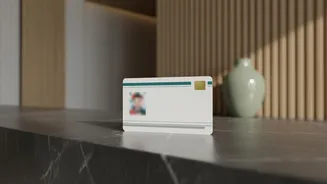
While unsecured Wi-Fi is a primary concern, modern travellers face other digital threats. Be cautious of public USB charging stations in airports and hotel lobbies. A compromised port can be used in a scam called "juice jacking," where malware is installed on your device or data is stolen while it charges. It's always safer to use your own power adapter and plug it into a standard electrical outlet. Another area of caution is identity document handling. Police advisories have noted that criminals can gain access to copies of documents like Aadhaar cards from hotels, which are then used for fraud. Also, turn off features like Bluetooth and auto-connect for Wi-Fi on your devices to prevent them from automatically linking to unknown networks or gadgets without your permission.
Smart Habits for a Secure Trip
Ultimately, staying safe online while travelling is about developing smart, consistent habits. Disable file and printer sharing on your laptop before connecting to any public network to avoid exposing your data to others on the same network. Be wary of what you share on social media while you are still on vacation; posting real-time location details can make you a target for physical or digital crime. Consider using privacy screens on your devices to prevent 'shoulder surfing' in public areas like hotel lobbies or cafes. Finally, if you ever suspect you have connected to a malicious network, disconnect immediately, run an antivirus scan, and change the passwords for any accounts you may have accessed while connected.