







The Digital Beauty Awakening
For decades, the latest beauty products would launch in Mumbai or Delhi, with trends trickling down to the rest of the country months, if not years, later. Smaller cities and towns were often treated as clearance markets for older stock. That era is definitively
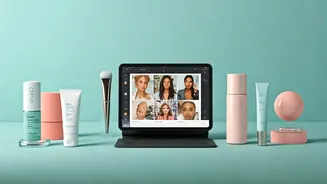
over. The primary catalyst for this change is the digital revolution. With widespread smartphone penetration and affordable data, consumers in cities like Gorakhpur, Patiala, Guntur, and Thrissur are now as connected to global beauty conversations as their metro counterparts. [3, 4] Social media platforms like Instagram and YouTube have become virtual beauty counters, where influencers and creators introduce millions to the latest international trends, from Korean "glass skin" routines to advanced, science-backed skincare. [5, 19] This digital exposure has created a new class of informed and aspirational shoppers who know exactly what they want, and they are no longer willing to settle for less. They aren't just searching for brands; they are searching for solutions to specific skin concerns and for products with sought-after ingredients. [6]
Aspiration Meets E-Commerce
Aspiration alone isn't enough; access is the other half of the equation. E-commerce giants have obliterated the geographical barriers that once defined Indian retail. Platforms like Flipkart and Amazon report that a significant and rapidly growing portion of their beauty sales now originates from non-metro areas. [2, 3] Flipkart notes that two in three beauty searches on its platform come from Tier-2 and Tier-3 cities, a testament to the surging demand. [2, 4] In response, Amazon India is adding over 100 new global brands to its marketplace in 2026, as more than 50% of its premium beauty demand now comes from these smaller cities. [3, 5, 6] This shift is driven by a simple reality: “Consumers in smaller cities always wanted great products and international brands,” as one Amazon India executive noted. [3] Now, thanks to e-commerce, they can finally get them, often with next-day or even same-day delivery. [5]
Beyond Kajal and Lipstick
The shopping cart of the Tier-2 consumer looks dramatically different today. While staples remain important, the growth is in sophisticated and specialised categories. The premium beauty segment on Flipkart has grown over 60% year-on-year. [2, 25] Niche segments are exploding: Korean and French pharmacy brands have nearly doubled in demand, while Middle Eastern fragrances have seen 3x growth on platforms like Amazon. [3] Consumers are investing in multi-step routines, with serums, primers, barrier repair creams, and professional haircare becoming entry points for premium adoption outside of metros. [3, 5] The men's grooming category has also emerged as a powerhouse, growing by 65% on Flipkart, with high search volumes for products like face wash, serums, and sunscreen for men. [2, 4] This isn't just about imitation; it's about personalisation. A trend dubbed 'PIN code Beauty' has emerged, where demand is shaped by hyperlocal factors like climate and water quality, leading to specific needs like hard-water scalp care in Bengaluru or hydration products in Rajasthan. [9]
Brands Are Taking Notice
The industry is scrambling to adapt to this new centre of gravity. The Indian beauty and personal care market is projected to grow from its current value of around $27 billion to $39 billion by 2030, with smaller towns as a key engine. [8, 9] Brands are realizing that a one-size-fits-all metro strategy is obsolete. Direct-to-consumer (D2C) brands like Mamaearth and Sugar Cosmetics, which built their businesses online, are now aggressively expanding their physical retail footprint into hundreds of non-metro cities. [11, 12] Even global luxury brands are rethinking their approach. Charlotte Tilbury, which entered India with a digital-first strategy, is now opening exclusive physical boutiques. [12] E-commerce platforms are also going local, with events like Flipkart's Glam Up Fest expanding to cities like Guwahati to directly engage with regional consumers and local creator ecosystems. [2]