





From Agricultural Waste to Your Dinner Table
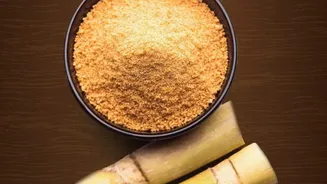
The answer lies in a material called bagasse. It’s the dry, fibrous pulp that remains after sugarcane stalks are crushed to extract their juice. For years, this byproduct was either burned for fuel in sugar mills or simply discarded. Now, it's being recognised
as a valuable raw material. India, as the world's second-largest sugarcane producer, generates an enormous amount of this resource annually—somewhere between 100 to 135 million tonnes. This massive, localised supply of what was once considered waste is now at the heart of a sustainable packaging revolution, turning an agricultural residue into a valuable commodity.
The Journey from Fibre to Container
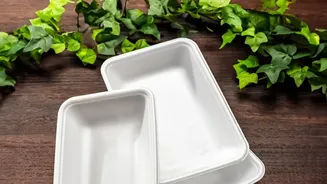
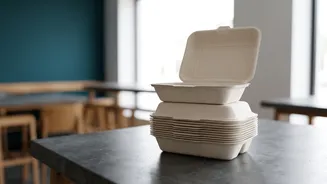
The manufacturing process is relatively straightforward. The collected bagasse is first mixed with water and blended into a slurry, similar in consistency to wood pulp. This pulp is then poured into molds of various shapes—like clamshell boxes, bowls, and plates. High heat and pressure are applied, which simultaneously presses the material into its final form while evaporating the water. The result is a sturdy, lightweight, and food-safe container. Unlike paper products that often need a plastic lining to handle wet or oily foods, bagasse is naturally resistant to moisture and oil, a significant advantage for packaging diverse Indian cuisines.
The Clear Environmental Advantages
The primary benefit of bagasse packaging is its end-of-life cycle. Unlike plastic, which takes centuries to break down, bagasse products are fully biodegradable and compostable. Under the right conditions, such as in an industrial composting facility, they can decompose in as little as 60 to 90 days, returning to the earth as nutrient-rich organic matter. This diverts significant waste from India's already overflowing landfills. Furthermore, using a waste byproduct reduces the need for virgin materials like wood, helping to curb deforestation. The production process also has a lower carbon footprint compared to petroleum-based plastics.
The Hurdles on the Path to Adoption
Despite its promise, bagasse is not a perfect solution just yet. One of the main concerns is the use of per- and polyfluoroalkyl substances (PFAS), often called "forever chemicals." These are sometimes added to improve water and grease resistance but do not break down in the environment and have been linked to health risks. Thankfully, as awareness grows, many manufacturers are now producing certified PFAS-free options. Another challenge is cost. Bagasse containers are typically more expensive than their plastic counterparts, although this price gap is narrowing as production scales up. Finally, for bagasse to truly be an environmental win, proper waste management infrastructure, especially industrial composting facilities, is essential to ensure it breaks down correctly.
A Promising Future for India
For India, the potential is immense. The widespread availability of domestic raw material from its massive sugar industry presents a unique structural advantage. Developing a robust bagasse packaging industry can create a circular economy, generate rural employment, and provide a homegrown solution to the plastic waste crisis, which sees India generating over 3.5 million tonnes of plastic waste annually. While challenges like the seasonality of sugarcane harvesting and ensuring consistent quality remain, they are not insurmountable. Several Indian startups and established companies are already making headway, driven by increasing consumer demand for sustainable options and supportive government policies aimed at curbing single-use plastics.