







Secure Your Water, Secure Your Health
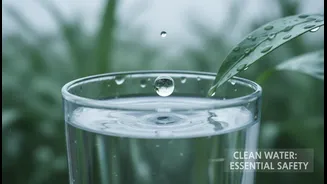
The single biggest health risk during heavy rains is the contamination of drinking water. Flooding can cause sewage and groundwater to mix, introducing harmful bacteria and viruses into the supply. This leads to a spike in waterborne diseases like typhoid,
cholera, hepatitis A, and gastroenteritis. To safeguard your family, ensure your drinking water is always purified. Boil water for at least one minute before consumption, use a reliable water purifier, or add chlorine tablets if you suspect contamination. Store this clean water in covered, dedicated containers. Be wary of street food and drinks, especially those that use local water sources or ice. Washing fruits and vegetables thoroughly with clean water before consumption is also crucial.
Wage War on Mosquitoes
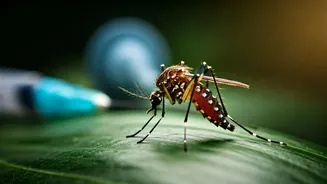
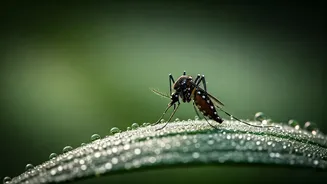
The monsoon is the peak breeding season for mosquitoes, which are responsible for debilitating diseases like dengue, malaria, and chikungunya. India contributes a significant percentage of the global burden for both dengue and malaria. The Aedes aegypti mosquito, which spreads dengue and chikungunya, breeds in clean, stagnant water often found in and around homes—in flowerpots, air coolers, buckets, and discarded tyres. The Anopheles mosquito, which transmits malaria, thrives in outdoor water channels and puddles. The most effective prevention is to eliminate these breeding grounds by regularly emptying any collected water. Additionally, use mosquito repellents, wear long-sleeved clothing, and sleep under mosquito nets to prevent bites.
Mind the Water You Walk Through
Wading through waterlogged streets is often unavoidable during heavy downpours, but it carries a serious risk of leptospirosis. This bacterial infection, also known as "rat fever," spreads when the urine of infected animals like rodents contaminates water and soil. The bacteria can enter your body through cuts, scratches, or mucous membranes in your eyes, nose, and mouth. If you must walk through floodwater, wear waterproof, protective footwear like rubber boots. Avoid walking barefoot. As soon as you get home, wash your feet and hands thoroughly with soap and water. It's also vital to keep any open wounds covered with waterproof bandages.
Guard Against Fungal Infections and Flu
The high humidity during the monsoon creates a perfect environment for fungal growth, leading to skin infections like athlete's foot and ringworm. Damp clothes and shoes are major culprits. To prevent this, always wear dry clothes and footwear. If you get wet in the rain, change into dry clothes as soon as possible. Keeping your home well-ventilated can also help reduce indoor humidity. The season also brings a rise in airborne infections like the common cold and flu, as temperature fluctuations weaken our immunity. Maintaining good personal hygiene, especially frequent hand washing, is one of the best defences.
Assemble Your Monsoon Health Kit
Being prepared can make a huge difference. A well-stocked first-aid kit is a must-have for every household during the monsoon. Your kit should include essentials to manage common seasonal ailments before they escalate. Key items include a digital thermometer, antiseptic liquid, waterproof bandages, and pain and fever reducers like paracetamol. Given the risk of dehydration from gastroenteritis, Oral Rehydration Salts (ORS) sachets are crucial. Also include insect repellent, calamine lotion for rashes, and any personal medications. Having these items on hand allows for immediate response to minor issues and helps you monitor symptoms effectively.