
Flat-Leaf vs. Curly Parsley
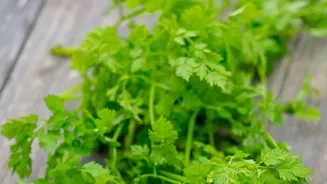
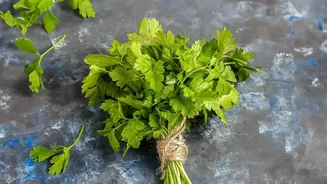
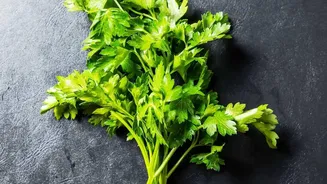
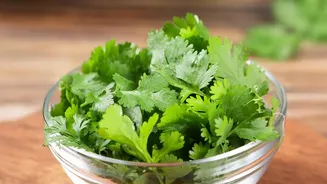
Before you start chopping, it's helpful to know the two main players in the parsley world: flat-leaf and curly. Flat-leaf parsley, also known as Italian parsley, has broad, serrated leaves and a robust, peppery taste. This strong flavour makes it the preferred
choice for most cooking applications and for dishes where you want the parsley's character to shine. Curly parsley has ruffled, bright green leaves and a much milder, grassier flavour. While often dismissed as a retro garnish, its crisp texture can add a wonderful, crunchy element to cold salads. For flavour, choose flat-leaf; for a delicate freshness and interesting texture, don't be afraid to use curly.
Making Parsley the Star of Your Salad
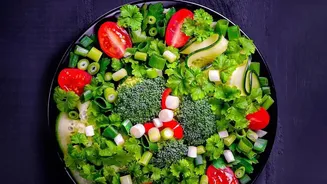
Moving parsley from a supporting role to the main event is one of the best ways to appreciate its fresh taste. Instead of a light sprinkle, try using whole parsley leaves as you would any other salad green. A classic example is Tabbouleh, a Middle Eastern salad where finely chopped parsley is the primary ingredient, mixed with mint, tomatoes, onion, and a small amount of bulgur wheat. You can also create a simple but elegant salad with just a large bunch of fresh parsley leaves, a squeeze of lemon juice, a drizzle of good olive oil, and some shaved Parmesan cheese. The key is to wash and thoroughly dry the leaves to ensure they don't become soggy. A salad spinner is your best friend here.
Quick Ideas for Parsley Salads
Beyond using parsley as the base, adding a generous handful of chopped leaves to any salad provides a burst of freshness. Try a simple tomato and parsley salad with quartered cherry tomatoes, chopped red onion, olive oil, and a splash of red wine vinegar. The simple ingredients allow the parsley's clean flavour to stand out. Another idea is to toss whole flat-leaf parsley leaves with walnuts, lemon zest, and a light walnut oil vinaigrette for a sophisticated side dish. For a heartier, grain-free option, combine heaps of chopped parsley with tomatoes, cucumber, feta cheese, olives, and walnuts for a salad that's full of texture and flavour.
The Foundation of a Vibrant Dressing
Parsley is a workhorse in dressings, providing a beautiful green hue and a base layer of fresh, herbaceous flavour. One of the most famous examples is Green Goddess dressing. While recipes vary, they almost always feature a generous amount of fresh parsley blended with other soft herbs like chives or tarragon, a creamy base like mayonnaise or Greek yogurt, and a touch of acidity from lemon juice or vinegar. The parsley provides the backbone of the dressing's colour and taste. The herbs are typically blended in a food processor with aromatics like garlic before the creamy ingredients are added to ensure a smooth, uniform consistency.
A Simple Parsley Vinaigrette
For a quick and versatile dressing that can liven up anything from a green salad to grilled vegetables, a simple parsley vinaigrette is a must-know recipe. In a blender or food processor, combine a packed cup of fresh parsley leaves, a clove of garlic, lemon juice, and a bit of Dijon mustard or honey. While the processor is running, slowly stream in extra-virgin olive oil until the dressing is emulsified and smooth. For a creamy, dairy-free version, you can add a spoonful of tahini, which also helps to create a stable, rich dressing. Taste and season with salt and pepper, and you have a go-to dressing that will keep in the fridge for up to a week.