






What Exactly Is NEAT?
NEAT stands for Non-Exercise Activity Thermogenesis, a term for the energy your body uses for everything outside of sleeping, eating, or formal exercise. It includes all the small movements you make throughout the day: fidgeting at your desk, walking
to the kitchen, carrying groceries, and even typing. While each action seems minor, their cumulative effect on your daily calorie burn can be substantial. In fact, NEAT is a major variable in energy expenditure among individuals and can differ by up to 2,000 calories per day depending on lifestyle and occupation. For those in sedentary jobs, intentionally boosting NEAT is a crucial tool to combat the negative effects of prolonged sitting.
The Sitting vs. Standing Equation
The core of using standing to boost NEAT lies in simple physics: it takes more energy to stand than to sit. While sitting at a desk burns roughly 80 calories per hour, standing can increase that number to over 100, and sometimes more depending on your body weight and muscle mass. Studies show that on average, standing burns an extra 20 to 50 calories per hour compared to sitting. This may not sound like a game-changer, but the benefits accumulate. A study in the European Journal of Preventive Cardiology calculated that replacing sitting with standing for six hours a day could lead to an extra 54 calories burned, which could translate to over five pounds lost in a year, assuming other factors remain constant. It’s about making small, consistent changes that add up over time.
Why Meetings Are the Perfect Target
Meetings are often blocks of passive time, making them a prime opportunity to break up sedentary periods. Instead of settling into a chair for an hour-long update, standing can transform that time into a low-level physical activity. Anecdotal evidence and some studies suggest that standing meetings can also be shorter and more focused. When people are on their feet, there's a natural tendency to be more concise and engaged, reducing distractions like checking emails on the side. Furthermore, standing can make it easier to command attention when speaking, fostering better collaboration and communication within the team. It targets a part of the workday that is often static and turns it into something both physically and professionally productive.
How to Implement Standing Meetings
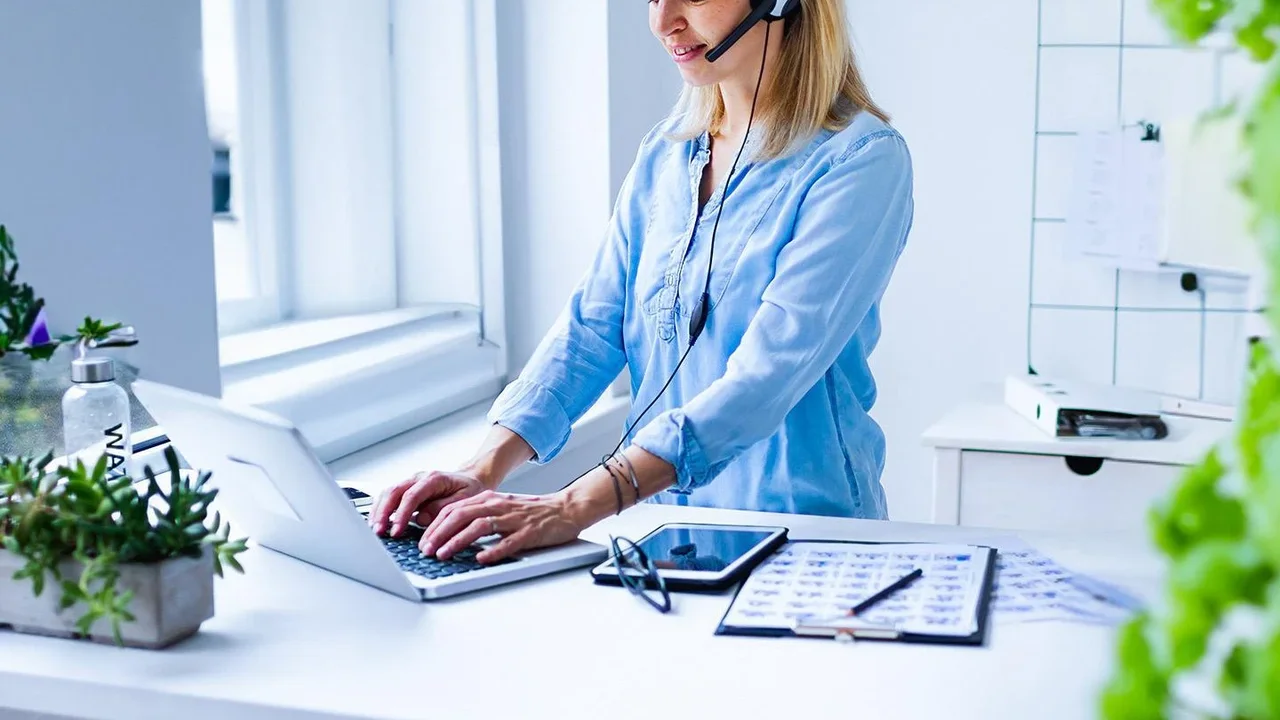
Transitioning to standing meetings doesn't have to be an abrupt overhaul. Start small by suggesting a 10 or 15-minute standing huddle for daily check-ins. For longer meetings, introduce the idea of standing for the first or last portion. If you have a conference room with high-top tables, utilize them. If not, simply designate one side of the room as a standing-friendly zone. For virtual meetings from home, the switch is even easier—just stand up at your desk. The key is to create a culture where standing is an accepted and normal option. Alternating between sitting and standing is often the most sustainable approach, preventing fatigue while still reaping the benefits.
Beyond the Calorie Burn
While increasing your NEAT burn is a significant advantage, the benefits of standing more don't stop there. Research suggests that breaking up long periods of sitting can improve blood sugar control after meals and reduce the risk of chronic back and shoulder pain. Standing engages core and leg muscles, which can help improve posture and muscle tone over time. Many people also report improved mood, focus, and energy levels when they reduce their sitting time. Regular exercise is still essential, but experts agree that it can't fully undo the health risks of being sedentary for the other 23 hours of the day. Boosting your NEAT is the critical missing piece of the wellness puzzle.