








The Power of a Core Pantry
The secret to sustained healthy eating on a budget is not about chasing expensive superfoods, but about building a core collection of reliable, versatile ingredients. A well-stocked pantry simplifies meal planning, reduces food waste, and makes home cooking
faster and more efficient. By focusing on a short list of staples, you create the foundation for countless nutritious meals without breaking the bank. The traditional Indian approach to food has always been rooted in this principle, combining grains, legumes, and seasonal vegetables into balanced, wholesome dishes. It's a strategy that shifts your focus from buying elaborate, processed items to investing in foundational, whole foods that form the backbone of a healthy diet.
Lentils and Pulses: The Protein Foundation
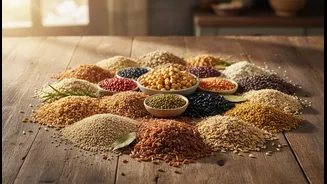
Lentils, or dals, are the undisputed champions of affordable protein in the Indian diet. Varieties like toor (arhar), masoor, moong, and chana (chickpeas) are nutritional powerhouses, packed with protein, dietary fibre, iron, and essential B vitamins. A meal of dal and rice or roti creates a complete protein profile, providing all the essential amino acids your body needs, similar to animal protein. Dals are incredibly cost-effective; a kilogram can provide numerous servings, making them a cornerstone of budget-friendly nutrition. From a simple dal tadka to robust chana masala or a nourishing khichdi, these staples are as versatile as they are healthy.
Whole Grains: Your Source of Energy
Whole grains are the energetic base of a balanced meal, and India offers many affordable options beyond basic rice and wheat. Millets like jowar, bajra, and ragi are gaining recognition for their superior nutritional profiles, often at a lower cost than refined flours. They are rich in fibre, which aids digestion and promotes a feeling of fullness. Using whole wheat atta for rotis, opting for brown rice, or incorporating millets into your diet provides sustained energy without the sharp spikes in blood sugar associated with processed grains. These staples are perfect for creating everything from daily flatbreads and porridges to wholesome pulaos.
Seasonal Vegetables: Nature’s Bargain
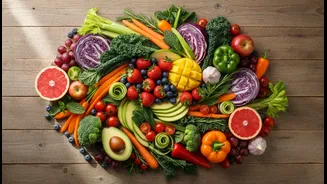
The key to saving money on produce is to eat with the seasons. Seasonal vegetables are at their nutritional peak and are always more affordable because they are abundant and locally sourced. Instead of seeking out expensive, out-of-season items, focus on what’s fresh at your local mandi. Greens like spinach and methi (fenugreek), gourds like lauki (bottle gourd), root vegetables, and staples like onions and tomatoes form a vibrant and cost-effective vegetable basket. These provide essential vitamins, minerals, and antioxidants that are crucial for overall health.
Smart and Simple Add-Ins
Beyond the core staples, a few other affordable items can significantly boost the nutritional value of your meals. Eggs are one of the most cost-efficient sources of high-quality protein available. At just a few rupees each, they offer complete protein and vital nutrients, making them a perfect addition to any meal. Homemade curd (yoghurt) is another excellent, low-cost source of protein and probiotics that support gut health. Finally, a basic collection of Indian spices like turmeric, cumin, and coriander is a small investment that provides immense flavour and health benefits, transforming simple staples into delicious and exciting dishes.