


How Self-Watering Pots Work
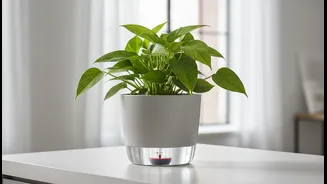
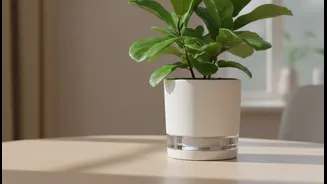
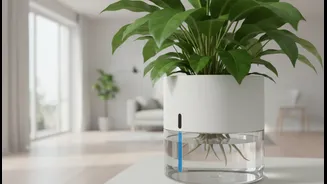
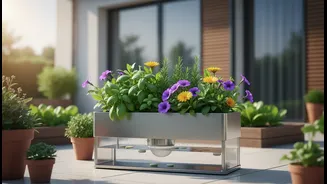
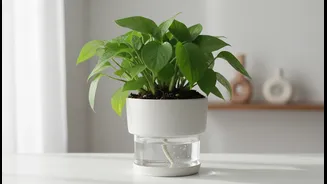
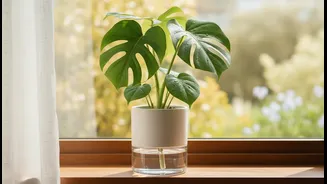
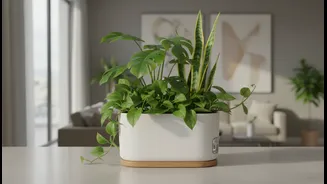
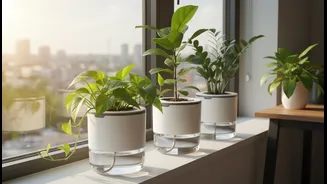
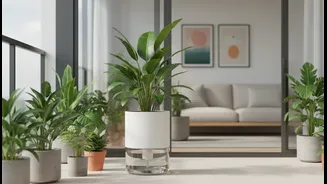
The design of a self-watering pot is both simple and clever. These containers consist of two main parts: an upper chamber for the plant and soil, and a lower reservoir that holds water. A wicking system, often a string or a piece of absorbent fabric,
connects the two sections. This wick draws water from the reservoir up into the soil through a natural process called capillary action. As the plant's roots absorb moisture from the soil, the wick pulls up more water to replace it, ensuring the plant gets a consistent supply without being waterlogged. Some pots have a fill tube for easy refilling, and many include an overflow hole to prevent you from adding too much water.
The Key Advantages for Gardeners
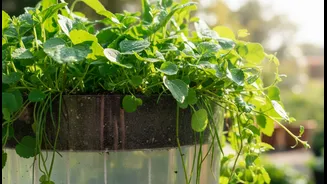
The most obvious benefit is convenience; you can go longer between waterings, sometimes for a week or two, depending on the plant and environment. This makes them perfect for people with busy schedules or those who travel. These pots are also highly water-efficient, as less water is lost to evaporation compared to surface watering. Crucially, they provide consistent moisture, which is ideal for many plants that are sensitive to the stress of drying out and then being drenched. This steady supply can lead to healthier root systems and more robust plant growth, especially for vegetables and herbs that appreciate constant hydration.
Potential Downsides to Consider
While useful, self-watering pots aren't a perfect solution for every situation. A primary concern is the risk of root rot if the system is used incorrectly. If the reservoir is overfilled or the wrong type of dense soil is used, the soil can become saturated, starving roots of oxygen. It's also important to note that these pots are not suitable for all plants. Succulents, cacti, and other species that need their soil to dry out completely between waterings can suffer in a constantly moist environment. They can also be more expensive than traditional pots, and the reservoirs require occasional cleaning to prevent algae buildup.
Best Plants for Self-Watering Systems
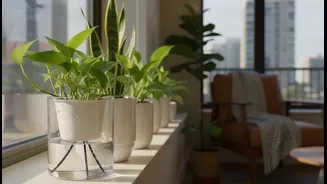
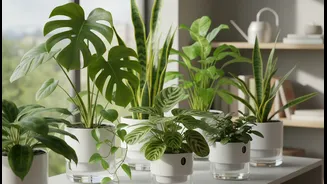
The best candidates for self-watering pots are plants that thrive in consistently moist soil. This includes many popular Indian houseplants and balcony favourites. Tropical plants like Peace Lilies, Calatheas, and ferns flourish with steady hydration. Many common herbs such as basil, mint, and parsley also do exceptionally well, as the constant moisture encourages lush foliage. Other great choices include Spider Plants, Pothos, and African Violets. Plants that are native to arid regions or prefer dry cycles, like Snake Plants, ZZ Plants, and most succulents, should generally be avoided for these types of containers.
A Quick Guide to Getting Started
To ensure success, start with the right potting mix. Use a light, well-aerated mix, not heavy garden soil, which can become compacted and prevent the wicking action. When you first plant your seedling or transplant, water it from the top for the first week or two. This helps the soil settle and encourages the roots to grow downwards towards the wicking system. Once the plant is established, you can switch to filling the reservoir via the designated fill tube or opening. Check the reservoir periodically and refill only when it's low or empty and the top few inches of soil feel dry.