




The Science of the Great Retreat
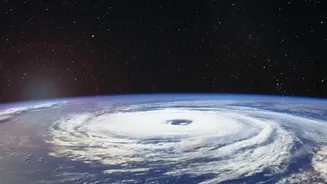
The monsoon withdrawal isn't like flipping a switch; it's a gradual process that unfolds over several weeks. Typically starting in early September in northwest India, the southwest monsoon winds begin to weaken. This happens as the low-pressure system
over the northern plains becomes less intense and is slowly replaced by a high-pressure system. This shift causes the moisture-laden winds to recede, moving southeastward across the country. By the beginning of October, the monsoon has usually left the northern plains, marking a clear transition from the wet, hot season to drier conditions. As of early September 2026, forecasters have noted that strong, dry northwesterly winds are beginning to push into North India, signaling a significant reduction in rainfall activity and a move toward clearer skies.
Hello, 'October Heat'
One of the most distinct phenomena following the monsoon's departure is the 'October Heat'. As the cloud cover disappears, the sun's rays beat down more intensely, causing daytime temperatures to rise. While nights become cooler and more pleasant, the days can feel particularly oppressive. This is because the ground is still saturated with moisture from the preceding rainy months. The combination of high temperatures and lingering high humidity creates a muggy, uncomfortable warmth that can feel more taxing than the dry heat of summer. This period is most noticeable in regions like North India, Maharashtra, and Gujarat.
What It Means for Farmers
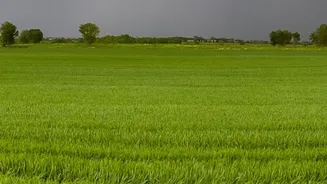
The monsoon's timing is critical for Indian agriculture, which supports over half the country's population. The withdrawal is as important as its arrival. The end of the rains allows for the harvesting of water-intensive Kharif crops like rice and cotton, which were planted at the start of the season. Following this, the moisture left in the soil is crucial for the sowing of the winter, or Rabi, crops such as wheat, mustard, and gram. A timely withdrawal and adequate residual moisture are vital for a successful Rabi season. However, an erratic or delayed withdrawal can disrupt this cycle, potentially impacting crop yields and, by extension, food prices and the broader economy.
A Shift in Health Concerns
The changing weather also brings a new set of health considerations. While the risk of water-borne diseases that thrive during the rainy season may decrease, other issues can emerge. The drier, dustier air can aggravate respiratory conditions for some people. Furthermore, the post-monsoon period often sees fluctuations in the population of disease-carrying insects. The transition from monsoon to winter can affect the transmission dynamics of vector-borne illnesses like malaria and dengue, as stagnant water pools left behind by the rains can become breeding grounds. The uncomfortable 'October Heat' also brings risks of dehydration and heat exhaustion if proper precautions are not taken.
Changing Daily Life and Water Woes
On a brighter note, the end of the monsoon opens up daily life. Fewer rainy days mean less traffic disruption, easier commutes, and more opportunities for outdoor activities, travel, and festivals. The clear, sunny days and pleasant evenings are often a welcome change. However, the withdrawal also brings water management into sharp focus. With roughly three-fourths of India's annual rainfall occurring during the monsoon, the water collected in reservoirs, dams, and groundwater tables during these months must sustain communities through the long dry season ahead. For many regions, especially in Peninsular India, river systems that are not fed by snowmelt depend almost entirely on this stored monsoon runoff, making its conservation crucial.