
Why a Labeling System Is Worth It
Before diving into the 'how,' let's appreciate the 'why.' A well-labeled freezer is more than just tidy; it's a strategic tool for your household. Proper labels help you practice the 'First-In, First-Out' (FIFO) method, ensuring older items get used first,
which drastically cuts down on food waste. This system preserves the freshness and quality of your food, as items are consumed within their peak window. According to the USDA, while freezing keeps food safe indefinitely from a foodborne illness perspective, the quality—including taste and texture—degrades over time. Knowing exactly what you have prevents you from buying duplicates and makes meal planning a breeze. Ultimately, it’s about transforming your freezer from a frozen graveyard into a dynamic, money-saving extension of your pantry.
Gathering Your Labeling Toolkit
You don't need a complicated setup, but using the right tools will prevent your labels from peeling off or smudging into illegibility. Regular labels and markers often fail in the extreme cold and moisture of a freezer. The adhesive on standard labels can become brittle and lose its grip. For best results, choose materials specifically designed for freezing. This includes freezer-grade labels, which often use a specialized adhesive that remains flexible at low temperatures. You can find them in rolls or sheets, with some modern options being dissolvable in water for easy cleanup. Alternatively, simple masking tape works surprisingly well. For writing, a permanent marker is your best friend. Keep your supplies in a convenient spot near the kitchen to make labeling a quick, reflexive part of your food storage routine.
The Core Three: Dish Name, Date, Reheating Notes
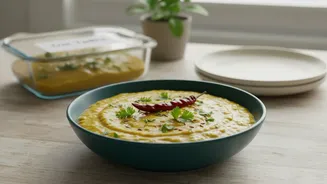
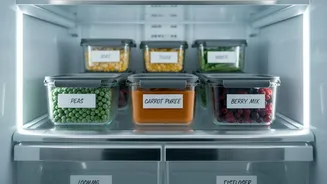
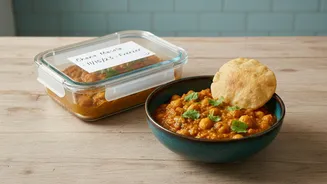
Your future self will thank you for being specific. Vague labels like "Chicken" are not helpful. Is it raw chicken breasts, chicken soup, or chicken curry? Be descriptive. Dish Name: Be as specific as possible. Instead of "Soup," write "Spicy Lentil Soup." If it's a component, note that: "Tomato Sauce for Pasta." This clarity prevents confusion and helps you plan meals. Date: Always include the date the food was frozen. This is crucial for rotating your stock and using the oldest items first. Some people also like to add a "Use By" date, which is especially helpful. For example, soups and stews retain their best quality for about 2-3 months, while ground meat is best within 3-4 months. Reheating Notes: This is the game-changer for true convenience. Don't assume you'll remember the best way to prepare something. Include simple, clear instructions. For a soup, it might be "Thaw overnight, reheat on stove." For a casserole: "Bake at 180°C from frozen for 45 min." For items that need to be separated from their packaging, like a lasagna in a foil tray, note that. These small notes remove all guesswork on a busy weeknight.
Level-Up Your Freezer Organization
Once you've mastered the basics, you can add more detail to make your system even more efficient. Consider adding the number of servings on the label. This is incredibly useful for knowing if you're pulling out a single lunch or a meal for the whole family. If allergies are a concern in your household, adding a note like "Contains nuts" or "Dairy-free" is a critical safety measure. You can also implement a color-coding system using different colored tapes or marker inks—for example, red for meat, green for vegetables, and blue for fish. This allows you to identify categories at a quick glance without having to read every single label. For those who are tech-savvy, some people even use QR codes that link to the full recipe or detailed notes stored on their phone.
Making the Habit Stick
The key to a successful freezer plan is consistency. The easiest way to ensure you follow through is to label everything before it enters the freezer. Make it a non-negotiable step in your cooking and grocery unpacking process. It's much easier to write on a room-temperature container than a frosty, already-frozen one. Store your labels and markers right where you do your food prep. If you batch cook on the weekend, set up a labeling station and do it all at once. It may feel like an extra step at first, but the few seconds it takes to label properly will save you minutes of frustration and potentially wasted food down the line. Start small with just your next meal prep, and soon it will become an effortless and rewarding kitchen habit.